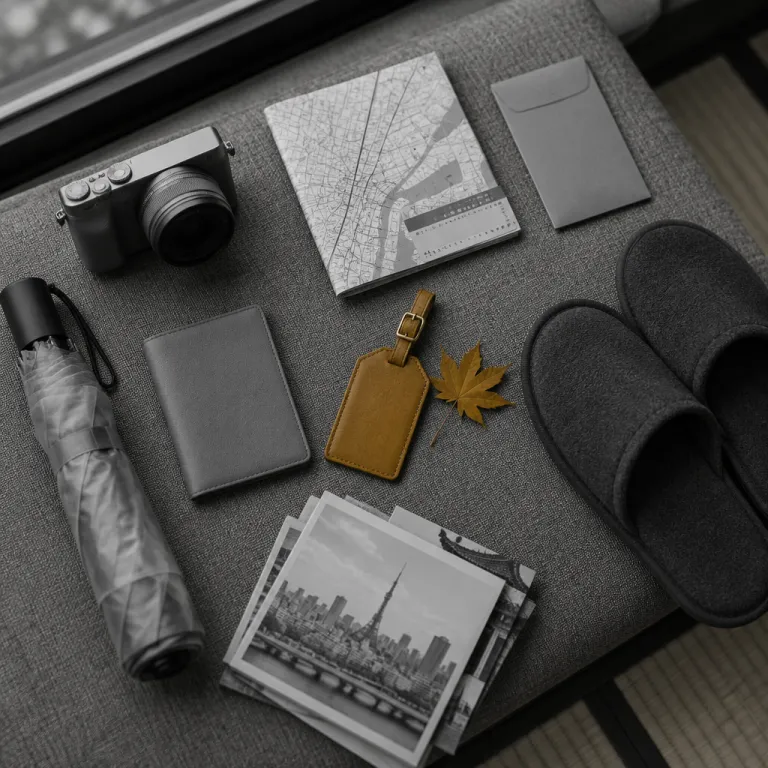
Aligning the best time to visit Japan with luxury hotel goals
Choosing the best time to visit Japan starts with clarifying what you want from a luxury stay. If you plan to visit Japan for Michelin starred dining in Tokyo and serene ryokan style suites in Kyoto, your ideal timing will differ from someone chasing powder snow or summer festivals. For a traveler based in the United States, the right season can transform a simple trip into a seamless, high end journey with fewer crowds and more attentive service.
Think of each time of year in Japan as a different layer of experience. Spring brings pastel cherry blossoms, mild weather and a refined mood that pairs beautifully with premium hotel terraces and skyline lounges. By contrast, winter in Japan brings crisp air, clear views of Tokyo Tower and Mount Fuji, and often the best time for value driven luxury rates in major cities.
For many travelers, the perceived best time to visit Japan is the cherry blossom season, yet that blossom season also brings higher prices and more competition for suites. If you want to balance the best weather Japan can offer with access to top tier rooms, consider late March or early April weekdays for your time in Japan, and avoid local school holidays. In most years, Tokyo’s cherry blossoms open in the last week of March, with Kyoto following a few days later, which helps you plan a route that catches both cities in bloom while still finding availability in premium properties.
Matching Japanese seasons with iconic city stays in Tokyo
Tokyo rewards careful planning around season, weather and major holidays when you book luxury hotels. During spring, cherry blossoms frame riverside promenades in neighborhoods like Meguro and Chiyoda, and staying at a high rise property lets you enjoy the blossom season from a quiet club lounge above the city. For a traveler flying from the United States, this can be the best time to visit Japan if you value soft light, moderate weather and refined urban energy.
Summer in Japan feels very different, with hot humid afternoons and vibrant festivals that spill into the streets. If you choose this time of year, prioritize hotels with pools, strong air conditioning and direct subway access so your time in Tokyo remains comfortable. Many premium properties in Shinjuku, Shibuya and Marunouchi design their services around the hot humid months, offering cold welcome drinks, late check outs and curated evening experiences.
When you plan on visiting Japan during Golden Week, expect intense demand for suites and higher rates across the city. This is rarely the best time for travelers who want fewer tourists and quieter lobbies, so consider shifting your time in Japan to just before or after this holiday period. If you travel with a pet and want a similar level of service at home, you can look at elegant dog friendly hotels in Washington DC as a benchmark for what to expect from top tier Japanese city hotels that welcome animals.
Kyoto’s rhythm: when culture, weather and luxury align
Kyoto offers a different answer to the question of the best time to visit Japan, especially for travelers focused on heritage and calm. During cherry blossom season, the Philosopher’s Path and Maruyama Park become iconic backdrops, and staying at a riverside or temple adjacent hotel lets you enjoy cherry blossoms at dawn before day trippers arrive. This is a prime time to visit Japan if you value quiet mornings, traditional Japanese breakfasts and attentive concierge service.
Fall in Kyoto is equally compelling, with fall foliage turning temple gardens into glowing scenes of red and gold. Many travelers consider late October and early November the best time for a Kyoto focused trip, because the weather Japan offers then is cool yet comfortable for walking. During October November, luxury properties often curate special menus and private garden view experiences that highlight the season.
Summer Japan in Kyoto can be hot humid, yet this time year also brings river dining platforms and evening festivals that feel intimate and atmospheric. If you prefer fewer crowds and fewer tourists, consider visiting Japan in early winter, when temple paths are quieter and premium hotels may offer more flexible rates. For a sense of how American city hotels frame neighborhood experiences, compare your Kyoto planning with the way elegant stays near Union Park in Chicago connect guests to local culture while maintaining a high level of comfort.
Balancing cherry blossoms, fall foliage and city comfort
Many travelers from the United States ask whether cherry blossom season or fall foliage offers the best time to visit Japan for luxury city stays. Cherry blossoms in Tokyo and Kyoto create a soft, romantic atmosphere, but they also attract intense demand for suites, club floors and high category rooms. If you want to visit Japan during peak blossom season, book your hotels at least six to nine months in advance and remain flexible with your exact time in Japan.
Fall foliage, by contrast, often delivers more stable weather Japan wide, with crisp air and clear skies that flatter city skylines. In October and November, you can enjoy vibrant leaves in Kyoto by day and return to a rooftop bar in Tokyo at night, especially if you split your trip between the two cities. This Tokyo Kyoto combination is ideal for travelers who want both cultural immersion and modern luxury in a single time of year.
For some, the true best time is the shoulder period just before or after the main blossom season or fall foliage peak, when there are fewer crowds and fewer tourists in lobbies and lounges. During these weeks, visiting Japan can feel more relaxed, and staff in high end properties often have more time to personalize your stay. When planning, think of your time in Japan choices as a spectrum, where cherry blossoms, fall colors, weather and hotel availability all interact.
Weather, rainy season and how they shape luxury stays
Weather Japan wide plays a decisive role in how comfortable your luxury city stay will feel. The rainy season typically arrives in early summer, bringing steady showers and humidity that can affect how you move between Tokyo and Kyoto. If you choose this time of year, prioritize hotels with direct access to major train stations or underground malls so your trip remains smooth.
Summer Japan outside the rainy season is often hot humid, which can be challenging for long days of sightseeing but pleasant for late night city walks. Many premium hotels respond to this season with spa packages, in room amenities and curated indoor experiences that make staying inside as appealing as going out. For some travelers, this can still be the best time to visit Japan, especially if they value poolside relaxation and vibrant nightlife over daytime exploration.
Winter brings colder weather Japan wide, yet it also offers clear air, bright city lights and often better value in luxury and premium properties. Visiting Japan during this season can mean easier upgrades, more attentive service and quieter lounges, particularly outside New Year holidays. If you want to compare how American hotels handle different climates, look at the range of properties highlighted in this guide to coast to coast hotels that define each corner of the United States, then apply similar expectations to your Japanese city choices.
Strategic booking tips for U.S. travelers seeking premium stays
For a traveler based in the United States, aligning flight schedules, loyalty programs and the best time to visit Japan can unlock significant value. Start by deciding whether your priority is cherry blossoms, fall foliage, Japan spring light or winter cityscapes, then choose your time in Japan accordingly. Once you know your preferred season, you can target specific properties in Tokyo and Kyoto that match your style and budget.
When visiting Japan during peak cherry blossom season or Golden Week, consider booking refundable rates first, then adjusting as your plans firm up. This approach protects your access to high demand suites while giving you flexibility if the weather Japan forecast shifts. For shoulder seasons with fewer crowds and fewer tourists, you may find that non refundable premium rates offer excellent value for longer stays.
Think about how you split your time in Japan between cities, especially if you want both urban energy and quieter evenings. A common pattern is to start your trip in Tokyo for three or four nights, then move to Kyoto for a similar period, timing your travel days to avoid weekends and local holidays. This Tokyo Kyoto rhythm works well in any time of year, but it feels particularly balanced in October November and during the softer weeks of Japan spring.
How seasons shape service, amenities and city experiences
The best time to visit Japan is not only about weather and scenery, but also about how hotels adjust their service and amenities throughout the year. During cherry blossom season, many luxury properties in Tokyo and Kyoto offer themed afternoon teas, limited edition cocktails and curated blossom viewing experiences. These seasonal touches can make your visit to Japan feel more immersive, especially if you enjoy thoughtful details.
In summer Japan, especially during the hot humid months, hotels often emphasize wellness, cool interiors and late evening programming. Rooftop pools, shaded terraces and spa treatments become central to your time in Japan, turning the hotel itself into a primary destination. For travelers who value calm and privacy, the presence of fewer crowds in certain shoulder weeks can be as important as the actual weather Japan delivers.
Winter and late fall bring a different mood, with warm lighting, deep baths and hearty Japanese cuisine taking center stage in many properties. Visiting Japan during these seasons can feel intimate and reflective, particularly when you return from a cold evening walk through Tokyo or Kyoto streets to a quiet lounge. Whatever time of year you choose, align your trip with the seasonal strengths of each city, and your time in Japan will feel both luxurious and deeply attuned to place.
Key figures on travel patterns and Japanese seasons
- According to the Japan National Tourism Organization (JNTO), over 60 percent of international visitors cite cherry blossoms or fall foliage as a primary reason for choosing their time to visit Japan, which explains high demand for luxury rooms in March, April, October and November.1
- Data from the Japan Meteorological Agency show that average summer temperatures in Tokyo often exceed 30 degrees Celsius, with high humidity, making hot humid conditions a key factor when selecting hotels with strong climate control.2
- Tourism statistics indicate that Golden Week can see domestic travel volumes increase by more than 50 percent compared with typical weeks, significantly affecting availability and pricing in premium city hotels.3
- Surveys of international travelers report that shoulder seasons, especially early March and late November, often deliver satisfaction scores comparable to peak blossom season, while offering fewer crowds and fewer tourists in major attractions.4
1 Based on trend summaries published by the Japan National Tourism Organization, including annual visitor motivation reports.
2 Derived from long term climate averages reported by the Japan Meteorological Agency for Tokyo and Kyoto.
3 Reflects typical domestic travel increases reported around Golden Week in national tourism statistics.
4 Aggregated from international visitor satisfaction surveys referencing seasonal travel in Japan’s major cities.
FAQ about the best time to visit Japan for luxury city stays
What is generally the best time to visit Japan for Tokyo and Kyoto?
For most travelers seeking luxury city stays, the best time to visit Japan is during Japan spring and mid to late fall. March and April bring cherry blossoms and mild weather Japan wide, while October November offer comfortable temperatures and vivid fall foliage. Both periods work well for splitting a trip between Tokyo and Kyoto with balanced sightseeing and hotel comfort.
Is summer in Japan too hot for a premium city trip?
Summer Japan is often hot humid, especially in Tokyo, which can make midday sightseeing tiring. However, if you choose hotels with pools, strong air conditioning and convenient transit access, this time of year can still be enjoyable. Many luxury properties adapt their services to the season, emphasizing indoor experiences, evening events and wellness focused amenities.
How does the rainy season affect visiting Japan?
The rainy season usually falls in early summer and brings frequent showers and higher humidity. Visiting Japan during this period is still feasible for city stays, especially if you prioritize hotels connected to train stations or underground shopping areas. You may also benefit from slightly fewer crowds and more availability in some premium properties compared with peak blossom season.
When are there fewer tourists in major Japanese cities?
Fewer tourists typically visit Japan during late winter, early March before peak cherry blossoms and late November after the height of fall foliage. These shoulder periods often offer fewer crowds at major sights and more relaxed hotel environments. For a traveler from the United States, they can be an excellent best time to visit Japan if you value calm over peak seasonal color.
Should I avoid Golden Week for a luxury hotel stay?
Golden Week is one of the busiest travel periods of the year in Japan, with high domestic demand for hotels and transportation. If you prioritize quiet lobbies, flexible dining reservations and easier upgrades, it is usually better to plan your time in Japan just before or after Golden Week. Doing so helps you secure premium rooms in Tokyo and Kyoto while still enjoying favorable weather and vibrant city life.