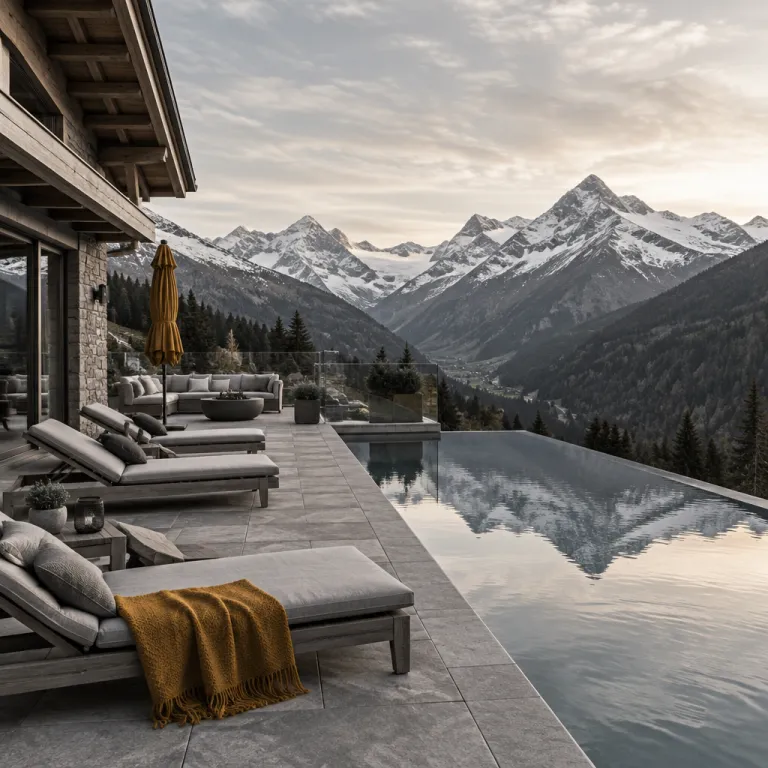
How the best time to visit Switzerland shapes your mountain stay
Choosing the best time to visit Switzerland determines everything from room rates to the mood of each valley. For a traveler based in the United States planning luxury travel, the right time window decides whether you wake to snow-covered peaks or sunlit lakes and rivers framed by vineyards. Think of the country as a finely tuned clock where each season reveals a different face of Switzerland and its most exclusive mountain retreats.
During Switzerland summer, pleasant temperatures in the Alps usually range between 15 °C and 25 °C, which creates a perfect time for outdoor activities such as hiking, lake cruising, and scenic rail journeys. Those same mountains transform in winter into a serene white world, when the ski season brings perfectly groomed slopes, crackling fireplaces, and Michelin-starred dining in high-altitude ski resorts. Because the country is compact, you can travel between cities like Zurich and Geneva in a few hours, yet the change in temperatures and landscape between each lake and summit can feel dramatic.
Luxury travelers often ask when is the single best time for a first visit Switzerland focused on the Alps. If you want fewer crowds but still crave mild temperatures and clear views, the shoulder periods from September to November usually offer a refined balance between value and atmosphere. When you start planning, think in terms of what you want to feel each day of your tour rather than only which month appears on the calendar.
Seasons, temperatures, and luxury expectations in the Swiss Alps
Every season in Switzerland creates a distinct style of luxury, so aligning your expectations with real temperatures is essential. From June to August, lakes and rivers warm enough for swimming sit below snow-streaked ridges, and this contrast makes Switzerland summer particularly photogenic for guests arriving from the United States. During this period, the best time to visit Switzerland for long daylight hours and flexible travel days coincides with the highest demand for premium suites facing each lake or glacier.
Winter tells a different story, because the ski season usually runs from late November into early spring with reliable snow-covered slopes above 1,800 meters. If you love ski-in/ski-out access, this is the best time to visit Switzerland for direct slope access, private instructors, and heli-ski experiences arranged through your hotel concierge. Many of the most exclusive ski resorts in the country, such as St. Moritz and Zermatt, combine historic charm with cutting-edge wellness facilities, which means you can alternate intense ski days with spa rituals and fine dining.
Shoulder months from September to November often bring fewer crowds, softer light, and more flexible cancellation policies at luxury properties. This period can be the perfect time for a traveler comparing alpine escapes with other northern destinations, especially if you are also researching the best time to visit Canada for similar mountain experiences. When you evaluate each month, consider not only the average temperatures but also how each season aligns with your preferred balance of privacy, cultural events, and outdoor activities.
Summer in Switzerland: lakes, hiking trails, and elevated retreats
For many luxury travelers, the best time to visit Switzerland for hiking and lake views is the height of Switzerland summer. Between June and August, mountain railways, panoramic cable cars, and high-altitude hiking trails operate on full schedules, which allows you to pair five-star stays with effortless access to ridgeline viewpoints. Pleasant temperatures make it easy to spend full days outside before returning to suites that frame each lake and valley through floor-to-ceiling windows.
Destinations such as Lake Geneva, Lake Lucerne, and the Engadine lakes and rivers region offer refined resorts where private piers, vintage boats, and curated wine tastings turn a simple visit into a layered travel experience. Around Lake Geneva, you can spend one day exploring the cities of Lausanne and Montreux, then retreat to a hillside property where infinity pools overlook vineyards and the distant Alps. This combination of cultured cities and tranquil shores often makes summer the perfect time to visit for couples who want both art museums and quiet evenings on the terrace.
Travelers who love nature-focused luxury often choose resorts near the Swiss National Park or other protected areas, where guided hiking and wildlife watching can be arranged directly through the concierge. If you enjoy pet-friendly high-end stays at home, you may appreciate how some alpine properties mirror the comfort of the finest lakeside resorts in Tennessee for pet owners while adding a distinctly Swiss sense of place. When you start planning a summer tour, remember that the best time to visit Switzerland for warm water and fully open hiking trails usually falls between late June and early September.
Winter, ski resorts, and festive alpine luxury
For travelers who equate Switzerland with snow-covered peaks and roaring fireplaces, the best time to visit Switzerland is the heart of winter. From December into March, ski resorts such as Verbier, Gstaad, and Zermatt offer world-class ski terrain paired with designer shopping streets and discreet five-star service. This is when the ski season reaches its peak, and the country feels like a curated stage for winter travel fantasies.
Luxury hotels in these cities and villages often provide direct access to ski lifts, private ski rooms, and chauffeured transfers between slopes and spas. Many properties also curate experiences around traditional Christmas markets in nearby towns, where you can sip mulled wine before returning to multi-course tasting menus and extensive wine cellars. Because temperatures can drop well below freezing at altitude, this season rewards travelers who value atmospheric evenings and crisp air more than long days by the lake.
Geneva and Zurich also shine in winter, with riverside promenades lit for the holidays and easy connections to nearby ski resorts for day trips. If you prefer fewer crowds on the slopes, consider the late winter weeks when the sun sits higher yet the snow remains reliable at upper elevations. When you start planning a winter visit Switzerland itinerary, remember that the best time to visit for both deep snow and refined après-ski usually falls between early January and late February.
Shoulder seasons: fewer crowds and refined mountain calm
Travelers who prioritize serenity often find the best time to visit Switzerland in the quieter shoulder seasons. During April and May and from September to November, many alpine regions enjoy pleasant temperatures, clear light, and a slower rhythm that suits reflective stays. These months can be a perfect time for spa-focused retreats, culinary tours, and gentle hiking without the intensity of peak summer or winter.
In autumn, forests above Lake Geneva and other lakes and rivers turn shades of gold and crimson, while vineyards host harvest events that pair naturally with luxury hotel tasting menus. Cities such as Zurich and Geneva feel more relaxed, yet they still offer full cultural calendars, which allows you to combine museum visits with day trips into the mountains. Because there are fewer crowds, premium suites with lake or mountain views may be easier to secure at short notice, and concierges often have more time to personalize each tour.
Spring brings melting snow-covered slopes, rushing waterfalls, and early-season hiking trails at lower elevations, which can be ideal for travelers who want outdoor activities without intense heat. If you are comparing alpine stays with other warm-weather escapes, you might balance a Swiss mountain week with an island stay at an elevated all-inclusive resort in the Bahamas. When you start planning around these transitional months, remember that the best time to visit for shoulder-season charm depends on whether you prefer spring blossoms or autumn colors.
From U.S. planning to Swiss peaks: practical timing for luxury bookings
For a traveler based in the United States, the best time to visit Switzerland also depends on flight patterns, vacation calendars, and how far in advance you can commit. Nonstop flights from major U.S. hubs to Zurich and Geneva increase during Switzerland summer and peak ski season, which makes those periods convenient yet often more expensive. If you want the best balance between airfare, hotel availability, and pleasant temperatures, consider booking at least six to nine months before your chosen month.
Luxury properties in iconic ski resorts and lakeside cities typically release their most desirable suites early, especially for holiday weeks and major events. When you start planning, align your preferred season with key experiences such as Christmas markets, gourmet festivals, or specific hiking trails you want to discover. For example, the perfect time to visit Switzerland for high alpine hiking often falls later in summer than the perfect time for lower valley walks and lake cruises.
Because the country is compact, you can design a tour that combines cities, lakes, and mountains within a single week, yet each region feels distinct. A thoughtful itinerary might include two nights in Zurich, three nights near Lake Geneva, and several nights in a high-altitude resort, which allows you to experience multiple climates and cultures in one time visit. When you evaluate the best time to visit Switzerland for your own travel style, think in terms of how each season will shape your daily rhythm, from morning light on the peaks to evening cocktails by the lake.
Key figures and timing insights for planning your Swiss escape
- Average summer temperatures in major Swiss cities such as Zurich and Geneva range between 18 °C and 28 °C, which makes Switzerland summer comfortable for outdoor activities while still cool compared with many U.S. cities (data from MeteoSwiss climate normals).
- High-altitude ski resorts like Zermatt and St. Moritz typically offer more than 140 days of ski season each year, providing a long window to align luxury travel with reliable snow conditions (figures from regional tourism boards and Switzerland Tourism reports).
- International visitor numbers to Switzerland usually peak in July and August, which means travelers seeking fewer crowds often find better availability and quieter experiences in the shoulder periods from September to November (data from Switzerland Tourism statistics).
- Lake Geneva’s surface water temperatures can reach around 20 °C to 24 °C in late summer, which supports swimming, sailing, and lakeside dining experiences that pair naturally with high-end hotel stays (information from local environmental monitoring services).
- Travel time from Zurich to major alpine hubs such as Interlaken or Chur is often around two to two and a half hours by train, allowing luxury travelers to combine city stays and mountain retreats within a single short itinerary (data from Swiss Federal Railways schedules).
FAQ: choosing the best time to visit Switzerland for luxury mountain retreats
What is the best time to visit Switzerland for first time luxury travelers?
For a first visit focused on comfort and variety, late June to August usually offers the best combination of pleasant temperatures, open hiking trails, and full resort services. You can pair stays in Zurich or Geneva with lakeside retreats and easy mountain excursions. Travelers who prefer fewer crowds might instead choose early September for similar experiences with a calmer atmosphere.
When is the best time to visit Switzerland for skiing and winter luxury?
The prime ski season in most high-altitude Swiss resorts runs from early January through late February, when snow-covered slopes are most reliable and luxury hotels operate at full capacity. This is the best time to visit Switzerland if you want top-tier ski instruction, lively après-ski, and festive village atmospheres. Early December and March can offer slightly fewer crowds while still providing excellent snow at higher elevations.
Which month offers the best balance between weather and fewer crowds?
September often provides a refined balance of mild temperatures, open hiking trails, and fewer crowds in both cities and mountain regions. Vineyards around Lake Geneva and other lakes and rivers approach harvest, which adds a culinary dimension to your stay. This month can be a perfect time for travelers who value quiet luxury over peak season buzz.
Is summer or winter better for luxury hotels in the Swiss Alps?
Summer is ideal if you prioritize hiking, lake activities, and long daylight hours, while winter excels for skiing, Christmas markets, and fireside dining. Many five-star properties adapt their offerings to each season, so the best time to visit Switzerland depends on whether you prefer sunlit terraces or snow-covered slopes. Some travelers split the difference by visiting in late spring or early autumn for spa-focused stays with strong value.
How far in advance should I book luxury hotels in Switzerland?
For peak summer and ski season dates, booking six to nine months in advance is wise, especially for suites with lake or mountain views. Shoulder season stays from April and May and September to November can sometimes be secured closer to departure, though top properties still fill quickly during major events. Planning early gives you the best chance to align your preferred time visit with the exact room type and services you want.