Why Tulum resorts captivate luxury travelers from the United States
Tulum has evolved from a quiet fishing village into one of the most coveted luxury coastal escapes in Mexico. Many travelers from the United States now plan an entire stay around the most refined Tulum resorts, where design, gastronomy, and wellness shape every moment. On this stretch of the Riviera Maya, you feel the contrast between dense jungle and luminous sea within a few steps, from palm-framed paths to powder-soft white sand.
For U.S. guests comparing a Tulum hotel to other Caribbean options, the appeal lies in its balance of barefoot ease and polished service. You can book hotels in Tulum, Mexico that offer spacious rooms with plunge pools, curated on-site restaurants, and attentive concierges who understand both American expectations and local customs. These Tulum hotel experiences often feel more intimate than large luxury properties in Cancún or Los Cabos, yet they still deliver strong air conditioning, reliable Wi-Fi, and multilingual staff who can switch easily between English and Spanish.
Location shapes every Tulum stay, so decide early between a beachfront address and a jungle retreat. A hotel on the white sand of Tulum Beach places you steps from a beach club, sea breezes, and sunrise views, while jungle lodges offer more privacy, lower light pollution, and deeper silence at night. Many travelers split their stay between a sea-facing resort and a jungle property, which lets them read the rhythm of both sides of Tulum, Mexico without rushing or spending too much time in transit.
Choosing between beach Tulum and jungle retreats for your ideal stay
When you compare Tulum resorts, the first decision is whether you want to wake to waves or birdsong. A beach Tulum address means your hotel opens directly onto white sand, with loungers, umbrellas, and often a stylish beach club included in the daily rate. In contrast, a jungle hotel in Tulum, Mexico wraps you in greenery, with wooden walkways, candlelit paths, and rooms that feel like elevated tree houses where you hear cicadas instead of surf.
For many U.S. guests, beachfront Tulum hotels offer the easiest transition from home, because you can move seamlessly between the pool, the sea, and open-air restaurants. These coastal properties often feature plunge pools on terraces, yoga classes at sunrise, and direct access to water sports such as paddleboarding or snorkeling. Jungle stays, by comparison, prioritize privacy and wellness, with meditation decks, outdoor showers, and spa cabins hidden among the trees for quieter, retreat-style days.
If you enjoy refined nature escapes in the United States, you might appreciate how a jungle stay in Mexico’s Tulum region echoes riverside lodges in Maine, such as those highlighted in this guide to elevated escapes for U.S. travelers. Beachfront hotels in Tulum, however, are better when you want to walk barefoot to dinner, hear the surf from your room, and swim multiple times a day without planning. Many travelers book a few nights in each setting, using the beach for social energy and the jungle for restorative sleep, deeper wellness, and star-filled skies.
Room types, plunge pools, and layout details that matter
Room configuration can transform your experience of Tulum resorts, especially if you are arriving from a long flight from the United States. Standard rooms in a Tulum hotel often include king beds, ceiling fans, and terraces, while suites may add a private plunge pool or larger balconies facing the Caribbean. When you read room descriptions, pay close attention to whether the pool is shared or fully private, because that detail changes both noise levels and privacy for afternoon naps or late-night swims.
Some Tulum accommodations feature creative layouts such as a mezzanine level, which adds a second sleeping or lounging area above the main floor. Properties branded as Mezzanine Tulum, for example, use this vertical space to frame views of Tulum Beach and the sea, while still keeping the footprint compact and cozy. Families or small groups from the United States often appreciate these mezzanine rooms, because they allow one person to read late at night while others sleep below without needing a separate suite.
Travelers who favor design-forward stays may be drawn to La Valise Tulum, where rooms blend handcrafted Mexican textiles, thoughtful lighting, and sometimes a plunge pool overlooking either jungle or beach. The name “Valise” evokes the idea of a well-packed suitcase, and the hotel’s rooms feel similarly curated, with every object chosen for both function and beauty. When you compare these spaces to more conventional luxury hotels in Tulum, Mexico, you notice how layout, mezzanine levels, and plunge pools create a sense of place rather than just square meters.
Wellness, yoga, and gastronomy in Tulum Mexico
Wellness is not an afterthought at leading Tulum resorts; it is a central promise. Many hotels in the area build daily yoga classes into their schedule, often held on rooftop decks or shaded platforms facing the jungle canopy. These sessions attract guests from the United States who want a stay that balances margaritas with mindful movement, breathwork, and genuinely restorative sleep.
Yoga in Tulum, Mexico ranges from gentle sunrise flows to more intense power sessions, and some hotel properties host multi-day retreats with visiting instructors. When you read program descriptions, look for details about class size, language, and whether mats and props are included, because these factors influence comfort and value. A few luxury resorts also offer sound baths, cacao ceremonies, and temazcal rituals, which connect guests to Mexican traditions while supporting deeper wellness and a sense of ritual.
Culinary experiences are equally important, and many on-site restaurants in Tulum now emphasize local sourcing and modern Mexican cuisine. You might start the day with fruit from the Riviera Maya, enjoy ceviche at a beach club on Tulum Beach, and finish with wood-fired seafood in a jungle clearing lit by lanterns. For couples planning romantic getaways, these layered experiences can rival the refined dining found in renowned honeymoon destinations for U.S. travelers, such as those profiled in this guide to exquisite honeymoon escapes.
How Tulum compares to other luxury coastal escapes for U.S. travelers
When U.S. guests evaluate Tulum resorts against other coastal destinations, they often weigh atmosphere, access, and value. Compared with larger resort zones in the Riviera Maya, a Tulum hotel usually feels more human scale, with fewer floors, more open-air spaces, and a closer relationship to both jungle and shoreline. Flights from major U.S. hubs to Cancún or Tulum International Airport are frequent, which keeps travel time manageable for long weekend stays and last-minute escapes.
In terms of style, hotels in Tulum tend to favor natural materials, handcrafted décor, and a relaxed dress code, while some luxury properties in other parts of Mexico lean toward marble lobbies and formal dining rooms. You will still find polished service, attentive concierges, and well-trained spa teams in Tulum, Mexico, but the setting encourages barefoot walks on white sand and casual evenings at a beach club. This combination appeals strongly to travelers who might also enjoy refined yet nature-focused stays in the United States, such as those described in this guide to elegant riverside hotels for refined adventure.
Price-wise, a beachfront hotel on Tulum Beach can rival top-tier Caribbean properties, especially when you add private transfers, spa treatments, and premium cocktails. Jungle lodgings sometimes offer better value, with generous rooms, plunge pools, and wellness programs at slightly lower nightly rates. For many U.S. travelers, the ability to combine both settings within a single stay makes Tulum, Mexico feel like two vacations in one, without the need for additional flights or complex itineraries.
Practical booking strategies for Tulum resorts from the United States
Booking Tulum resorts from the United States requires more than simply choosing the prettiest pool on a screen. Start by deciding whether you prioritize a Tulum Beach address, a jungle retreat, or a split stay, then filter hotels by distance to restaurants, yoga studios, and the archaeological site. This approach ensures that your Tulum hotel choice aligns with how you actually like to spend your days, from sunrise swims to late-night tasting menus.
When you read reviews, focus on recent comments from guests who mention noise levels, water pressure, and air conditioning, because these details affect comfort more than décor. Pay attention to how travelers describe rooms, especially if they reference mezzanine layouts, plunge pools, or private terraces, since these features can justify higher rates. U.S. travelers should also check whether rates include breakfast, yoga classes, or access to a beach club, as these inclusions can significantly improve value and simplify daily planning.
Finally, consider travel logistics between the airport and Tulum, Mexico, especially if you arrive late at night or with heavy valises. Many luxury hotels offer private transfers, which reduce stress and ensure you reach your stay safely, even if the jungle roads feel unfamiliar. By combining careful reading of hotel descriptions with a clear sense of your priorities, you can select from the many Tulum lodging options and craft a stay that feels both indulgent and deeply personal.
Understanding Tulum’s character: local culture, design, and responsible travel
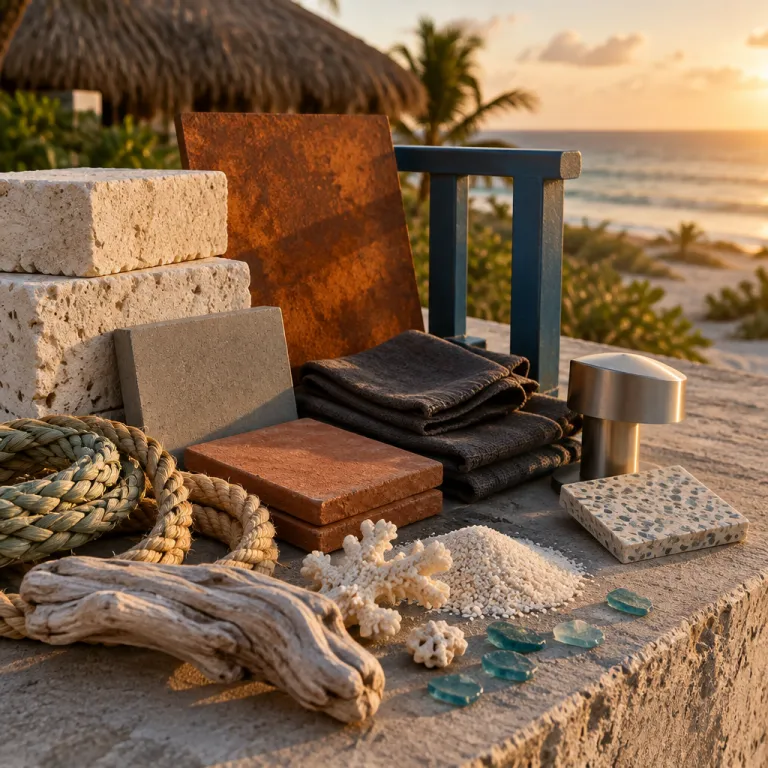
The most memorable Tulum resorts do more than provide a comfortable bed; they interpret local culture for guests from abroad. Many hotels collaborate with Mexican artisans for textiles, ceramics, and furniture, which gives each room a sense of place that mass-produced décor cannot match. When you stay in these properties, you engage with Tulum, Mexico not just through excursions, but through the objects you touch every day, from handwoven throws to clay cups.
Design-forward hotels along Tulum Beach and in the jungle often blur indoor and outdoor spaces, using natural ventilation, open-air lounges, and shaded terraces. Some properties incorporate mezzanine levels to frame views of the sea or canopy, while others carve plunge pools into stone patios for a more grounded feel. These choices reflect both aesthetic preferences and a response to the climate of the Riviera Maya, where heat, humidity, and salt air shape every building decision and maintenance routine.
Responsible travel is increasingly central to the Tulum, Mexico conversation, and many hotel operators now emphasize water conservation, waste reduction, and support for local communities. As a U.S. traveler, you can read sustainability sections on hotel sites, ask about wastewater treatment, and favor on-site restaurants that highlight regional ingredients. By aligning your stay with properties that respect both jungle and beach, you help ensure that future guests can enjoy the same white sand, clear water, and distinctive character that make Tulum so compelling.
Key figures about Tulum and Riviera Maya luxury travel
- According to data published by Grupo Aeroportuario del Sureste (ASUR), operator of Cancún International Airport, the airport handled more than 30 million passengers in 2023, underscoring the Riviera Maya’s role as a major gateway for U.S. travelers heading to Tulum and nearby destinations.
- Statistics from Mexico’s Ministry of Tourism (SECTUR) for 2023 indicate that roughly 55 to 60 percent of international air arrivals to Quintana Roo originate from the United States, which means hotel staff in Tulum are highly accustomed to U.S. expectations and service standards.
- Regional tourism reports for the Riviera Maya show that average hotel occupancy often exceeds 75 percent during peak winter months such as December and January, so U.S. travelers seeking specific room types or plunge pools in Tulum should book several months in advance.
- Industry analyses from STR and similar hospitality data providers consistently find that luxury hotels in Mexican beach destinations can command daily rates that are roughly 20 to 40 percent lower than comparable properties in some Caribbean islands, which helps explain why many U.S. guests view Tulum resorts as strong value for high-end stays.
- Environmental assessments cited by local NGOs and coastal researchers note that erosion has reduced sections of accessible white sand along parts of the Caribbean coast over the past decade, reinforcing the importance of choosing Tulum hotels that invest in sustainable shoreline management and responsible development.
FAQ about Tulum resorts for U.S. travelers
Is Tulum safe for travelers from the United States?
Tulum is generally considered safe for tourists who follow standard precautions, such as using registered taxis, avoiding isolated areas late at night, and keeping valuables secure. Most luxury hotels in Tulum provide 24-hour security, controlled access, and trusted transportation partners. U.S. travelers should monitor guidance from the U.S. Department of State and follow hotel staff recommendations regarding local areas to visit.
When is the best time to visit Tulum resorts?
The most popular months for Tulum resorts run from late fall through early spring, when temperatures are warm but not excessively humid. Shoulder seasons, such as late spring, can offer lower rates and fewer crowds while still providing pleasant beach weather. Travelers should consider both hurricane season and major holiday periods when planning their stay.
Do I need a car to enjoy Tulum?
Many guests at Tulum resorts do not rent cars, instead relying on taxis, bicycles, and hotel-arranged transfers. If you plan to explore multiple cenotes, archaeological sites, and towns beyond Tulum, a rental car can add flexibility. For travelers who mainly want to relax between hotel, beach, and nearby restaurants, local transportation is usually sufficient.
How many nights should I stay in Tulum?
A minimum of three nights allows time to enjoy your Tulum hotel, visit Tulum’s archaeological site, and relax on the beach. Many U.S. travelers choose five to seven nights to combine beach and jungle stays, spa treatments, and day trips to cenotes or Sian Ka’an. Longer stays are common among remote workers, who appreciate the balance of wellness, gastronomy, and natural surroundings.
What is the dress code at luxury hotels in Tulum?
Dress codes at Tulum resorts are generally relaxed, even at high-end properties. During the day, beachwear and light cover-ups are standard, while evenings call for resort-casual outfits such as sundresses, linen shirts, and sandals. Only a few fine dining restaurants request more formal attire, so U.S. travelers can usually pack light while still feeling appropriately dressed.