A practical guide to choosing the right oceanfront hotel in Key West, from Atlantic vs. Gulf locations to resort style, beach access, and room orientation tips.
Why Key West oceanfront is worth it
Salt on the air hits you first, even before you see the water. Staying at an oceanfront hotel in Key West is less about a room with a view and more about living a few metres from the sea, from sunrise to last cocktail. For a traveler based in the United States, it feels both familiar and slightly off the map, the end of the road where U.S. 1 simply stops.
Not every property that calls itself “oceanfront” actually delivers. Some hotels sit on rocky shoreline with no real beach access, others overlook a marina key or a busy harbor rather than open water. A good oceanfront stay in Key West means you can step from the pool deck or a small private beach straight to the water, without crossing a street or weaving through parking lots.
The southernmost part of the island concentrates many of the classic beach hotels. Here, near the southernmost point marker at Whitehead Street and South Street, you find larger resort-style properties with pools, palm-lined lawns, and direct sea views. On the opposite side, closer to the historic harbor and Duval Street, oceanfront means watching boats glide into the marina at sunset, with less sand but more energy and nightlife.
Choosing your stretch of shoreline
Atlantic side or Gulf side changes the mood of your stay. Along the Atlantic, especially near the southernmost beach area, hotels lean into resort life: loungers, hammocks, and a sense that you could spend the entire day between pool, spa, and sea without ever leaving the property. The water here often feels calmer, with more space between you and the bustle of Old Town.
On the Gulf side, near the historic seaport and the end of Duval Street, the oceanfront is more about piers, marinas, and sunset rituals. You trade broad sandy stretches for wooden decks, house resort style piers, and easy access to sailing trips. Guests who care more about walking to bars, galleries, and live music usually prefer this side, even if the “beach” is mostly a ladder down into the water.
There is also a quieter middle ground. Some properties sit just off the main drag, a short walk from Duval Street but facing the water with a more private feel. These hotels key into a different rhythm: you hear the distant hum of town, yet your balcony still frames the horizon. When you check availability, pay close attention to whether “ocean view” means full sea exposure or a partial glimpse over a pool or roofline.
Resort atmosphere vs. intimate hideaway
Size shapes the experience more than many guests expect. Large oceanfront resorts in Key West often spread across several buildings, with multiple pools, on-site resort spa facilities, and manicured lawns rolling down toward the water. You get amenities, structured activities, and a sense of being in a self-contained world. For some travelers, especially families or groups, that is exactly the point.
Smaller oceanfront properties feel closer to a coastal house than a hotel. A handful of rooms, maybe a few cottages tucked into tropical gardens, and a compact pool overlooking the sea. You might not find a full spa or an elaborate fitness centre, but you gain quiet, more personal service, and the impression of staying in a private house resort rather than a complex. It suits couples, solo travelers, and anyone who values calm over buzz.
Then there are hybrid properties: mid-sized hotels with one main pool, a small stretch of private beach, and a restaurant terrace facing the water. These often sit in the sweet spot for many American travelers. Enough infrastructure to feel like a proper resort, but not so big that you need a map to find your room. When you review options, look at photos of common areas as closely as room images; they reveal whether the property leans toward intimate or high-capacity.
Understanding “beach” in Key West
Sand in Key West is not like the endless natural beaches of the Atlantic coast farther north. Much of the shoreline is rocky or man-made, which means many beach hotels rely on imported sand and carefully built sea walls. A “private beach” here is often a compact cove or a narrow strip of sand with loungers, rather than a long, walkable coastline. Manage expectations and you will enjoy it more.
The southernmost beach area, near the Atlantic side, offers some of the more generous sandy stretches on the island. Hotels along this section tend to highlight their beach access and often combine it with a pool deck just a few steps back from the waterline. You might not stroll for kilometres, but you can move easily between sea swims and poolside time without leaving the property.
On the harbor side, oceanfront usually means decks, piers, and marina views instead of sand. Think of pier house style lounging: sunbeds on wooden platforms, ladders into clear water, and sunset-facing bars. Guests who prioritise swimming in the sea should check how each hotel describes its access. Look for clear wording about a swimmable area, not just “waterfront” or “marina key views”.
Location, character and what to check before booking
Distance to Duval Street is the first filter for many travelers. Staying within a few blocks of this spine of Old Town means you can walk to restaurants, bars, and galleries, then retreat to your oceanfront room without needing a car. Properties closer to the southernmost point feel slightly removed from the late-night noise, while still keeping you within a 10 to 15 minute walk of the action.
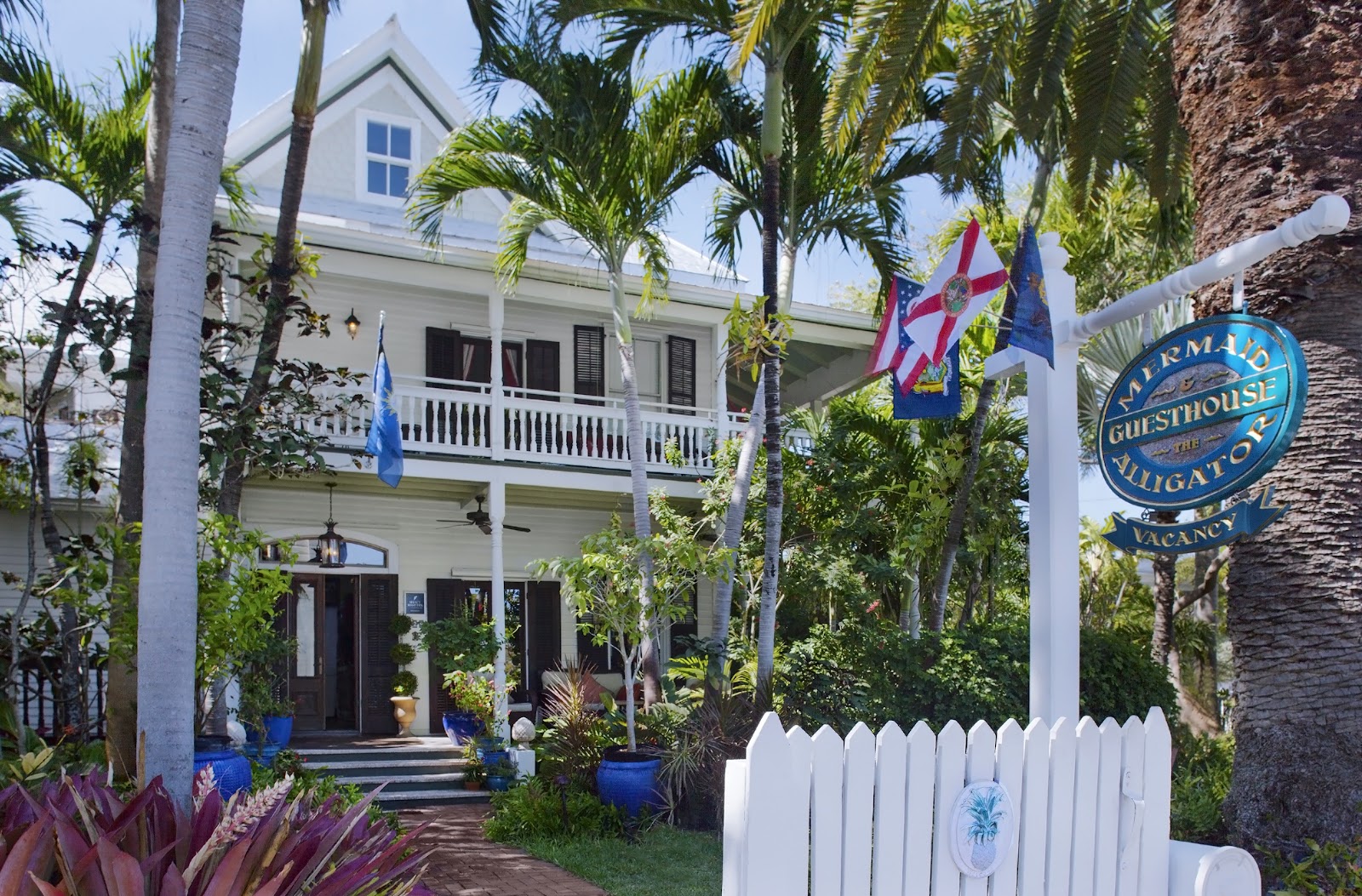
Historic character is another dividing line. Some oceanfront hotels occupy older, restored buildings with wraparound porches and mature palms, giving a sense of Key West’s layered past. Others are more contemporary, sometimes part of larger hospitality groups such as the Curio Collection by Hilton or similar collection Hilton style brands. The former offers charm and quirks, the latter tends to deliver more standardised layouts and facilities. Decide which matters more to you: patina or predictability.
Before you complete any booking, check availability for specific room types rather than just “ocean view”. Corner rooms, higher floors, or suites with extended balconies often change the entire feel of a stay. If you see terms like “partial ocean view” or “pool view with ocean glimpse”, assume the sea will share the stage with roofs, trees, or other buildings. A good hotel key detail in Key West is the orientation of the room: west-facing for sunsets, east-facing for softer morning light.
Who oceanfront Key West suits best
Travelers who already know Florida’s bigger beach cities often come to Key West for something more contained. The island’s scale, roughly 6.5 km long, means you are never far from the water, but an oceanfront property sharpens that connection. Guests who like to wake up, slide open a door, and feel the sea breeze without crossing a road will get the most value from paying for the front row.
Couples tend to gravitate toward smaller properties with fewer rooms, a quiet pool, and perhaps a handful of cottages or suites that feel almost private. Families and groups often prefer larger resorts with multiple pools, on-site dining, and structured activities, especially on the southern side where the sea is calmer. Nightlife-focused travelers, by contrast, may choose oceanfront hotels closer to the west side of the island, where Duval Street meets the water and the atmosphere stays lively late into the evening.
If you are the type who spends most of the day exploring, an oceanfront balcony might be a luxury you barely use. In that case, a room one or two categories down, still within a waterfront property, can be a smart compromise. For travelers who treat the hotel as part of the destination, not just a place to sleep, the upgrade to a full sea-facing room in a west popular area of the island is usually worth it.
Practical tips for securing the right oceanfront stay
Photos can be flattering, so approach them with a reviewer’s eye. Look at where the pool sits in relation to the shoreline, how many loungers fit on the deck, and whether the “private beach” seems genuinely reserved for guests or open to passersby. A good property layout will show clear paths from rooms to the water without cutting through parking or service areas.
Pay attention to how each hotel describes its setting. Terms like “harborfront”, “marina view”, or “waterfront” often signal a focus on boats and piers rather than open sea. That can be a plus if you enjoy watching activity around a marina key, but it is different from a wide horizon over the Atlantic. When you check availability, note whether oceanfront rooms are grouped in a specific wing; these often book out first during peak months.
Finally, consider the rhythm of your day. If you plan to spend long afternoons by the pool, prioritise properties where the pool deck faces either south or west for better light. If sunrise coffee on the balcony matters more, an east-facing room will feel special. Oceanfront in Key West is not one single experience; it is a spectrum, from quiet house-like retreats to full-scale resort spa environments. Choosing where you fall on that spectrum is the real key to a stay that feels exactly right.
Are Key West oceanfront hotels worth the premium?
For travelers who will actually use the balcony, pool deck, and direct sea access, oceanfront hotels in Key West usually justify the higher rate. You gain immediate contact with the water, better natural light, and a stronger sense of place than inland properties can offer. If you spend most of your time out exploring, the premium makes less sense, and a room set back from the shoreline in a well-located hotel can be a smarter choice.
Do all Key West oceanfront hotels have a real beach?
No, not every oceanfront hotel in Key West has a natural sandy beach. Some offer man-made coves or narrow strips of imported sand, while others sit directly on rocky shoreline, piers, or marinas with ladders into the water. Always read the description carefully to see whether the property mentions a swimmable beach area, a private beach, or simply waterfront views.
Which area of Key West is best for oceanfront stays?
The southern side of the island near the southernmost point is best if you want more traditional beach access and a resort-style atmosphere. The Gulf and harbor side near Duval Street and the historic seaport is better if you prioritise marina views, sunset decks, and walking access to nightlife and restaurants. Both offer oceanfront options, but the feel and daily rhythm are very different.
How far are oceanfront hotels from Duval Street?
Most oceanfront hotels in Key West sit within roughly a 5 to 20 minute walk of Duval Street, depending on their exact location along the shoreline. Properties near the southernmost beach area are usually a pleasant 10 to 15 minute walk from the busiest blocks, while those closer to the harbor can be just a few minutes away on foot. If walking distance matters, always check the map rather than relying on vague “near Duval” wording.
What should I check before booking an oceanfront room in Key West?
Before booking, confirm whether the room is truly oceanfront or simply has a partial ocean view over the pool or gardens. Look at the orientation for sunrise or sunset, the proximity to the pool and beach areas, and whether the balcony or terrace is large enough to use comfortably. It is also wise to review the property layout to understand how many rooms share the same view and how close you will be to public areas such as bars or restaurants.
Sources: Florida Keys tourism board, City of Key West planning documents, National Park Service information on the Florida Keys.