Discover how to choose the best hotels in the Hawaii islands, from Waikiki high-rises to Maui beach resorts, with ranked luxury picks, island-by-island tips, and practical booking advice.
Choosing the right Hawaiian island for your stay
The first decision is not the hotel. It is which Hawaiian island you choose. That choice will shape every night of your stay, from the view outside your rooms and suites to the kind of beach you step onto before breakfast.
Oʻahu suits travelers who want energy and contrast. In Honolulu you can move from a morning swim at Waikiki Beach to a gallery visit near South King Street, then a sunset drink with live music in a high-floor tower bar. Maui feels slower and more elemental, with long resort ribbons along the west coast and a stronger sense of distance from the mainland United States. The Island of Hawaiʻi (often called the Big Island) offers dramatic volcanic landscapes and fewer large hotel resort complexes, while Kauaʻi leans green and quiet, with fewer high-rise hotels in Hawaiʻi and more low-slung properties.
For a first trip, Oʻahu and Maui are usually the best balance. Oʻahu gives you classic Waikiki hotel life, city dining, and easy access to resort Honolulu experiences. Maui offers more resort-style seclusion, larger pool and beach zones, and a higher concentration of luxury suites rooms. If you already know you prefer nature to nightlife, consider splitting your stay between two islands rather than changing hotels on the same one.
- Oʻahu: best for first-time visitors, dining, and nightlife.
- Maui: ideal for resort-style relaxation and quieter evenings.
- Island of Hawaiʻi: dramatic scenery, volcano access, and fewer crowds.
- Kauaʻi: lush landscapes, hiking, and a more secluded hotel scene.
Best Hotels in Hawaii Islands, United States: Top Picks by Island
The following ranked lists highlight some of the best hotels in the Hawaiʻi islands, based on location, amenities, and guest reputation. Price bands are approximate for high season (sources: Hawaiʻi Tourism Authority, State of Hawaiʻi DBEDT lodging data, and major booking platforms).
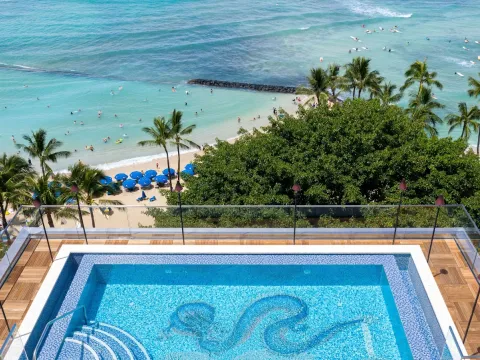
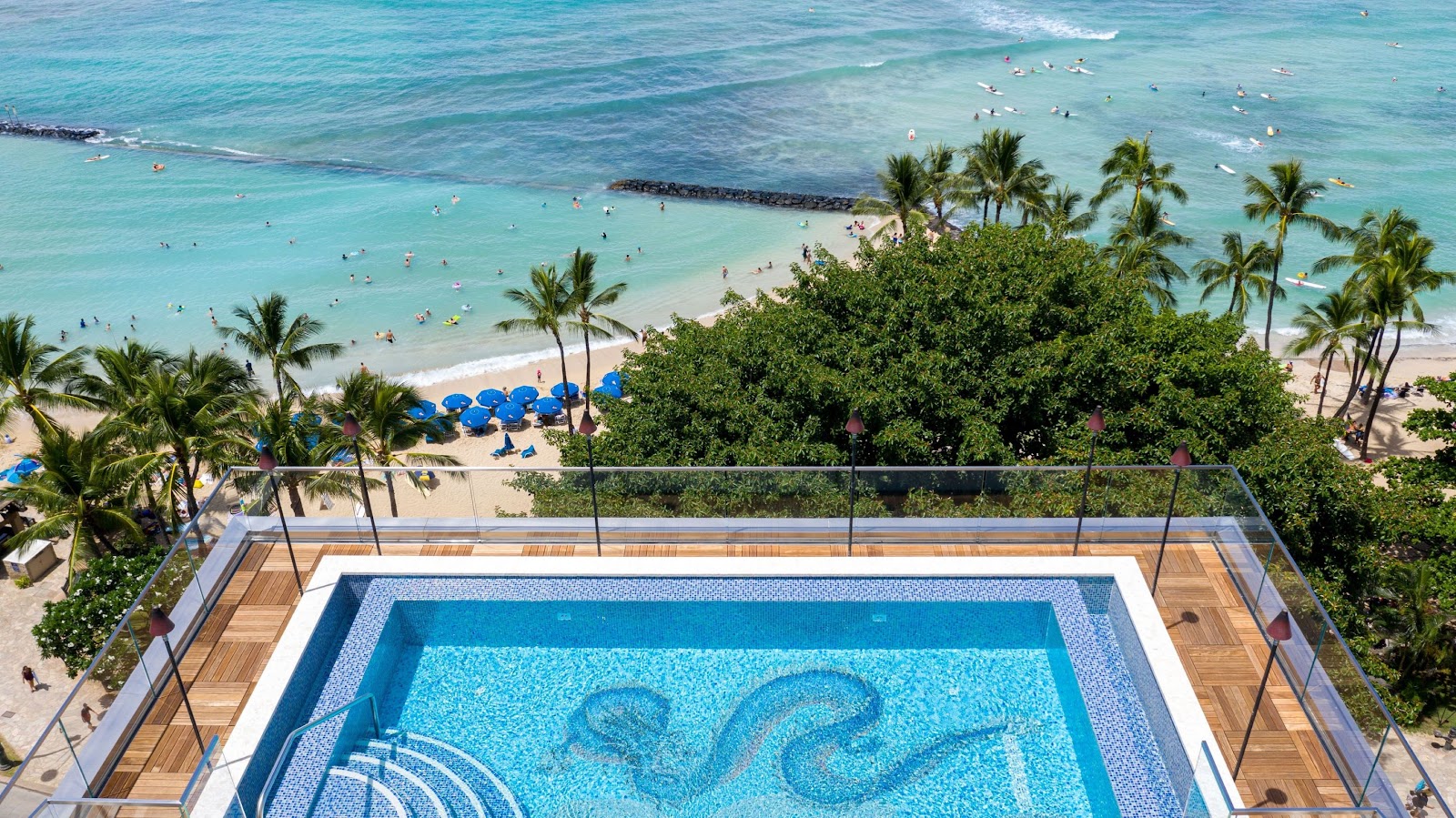
- 1. Halekulani (Waikiki, Oʻahu) – Classic beachfront luxury on Waikiki Beach with renowned service, spacious oceanfront rooms and suites, and a celebrated pool overlooking the surf; typically in the $$$$ band and about a one-minute walk to the sand.
- 2. Four Seasons Resort Oʻahu at Ko Olina (Ko Olina, Oʻahu) – High-end resort on a protected lagoon west of Honolulu, offering large rooms, family-friendly pools, and a full-service spa; usually $$$$ and roughly 30–40 minutes by car from central Waikiki.
- 3. The Royal Hawaiian, a Luxury Collection Resort (Waikiki, Oʻahu) – Historic “Pink Palace” directly on Waikiki Beach, known for its heritage architecture, beachfront suites, and central location; generally $$$–$$$$ with immediate access to the shore.
- 4. Four Seasons Resort Maui at Wailea (Wailea, Maui) – Oceanfront resort in Wailea with large rooms and suites, multiple pools, and a strong spa program; often in the $$$$ tier and set directly along Wailea Beach.
- 5. Montage Kapalua Bay (Kapalua, Maui) – All-suite resort overlooking Kapalua Bay, featuring residential-style accommodations, extensive pool terraces, and easy access to coastal trails; typically $$$$ and a short walk to the beach.
- 6. Mauna Kea Beach Hotel, Autograph Collection (Kohala Coast, Island of Hawaiʻi) – Mid-century modern icon on a crescent of white sand, with golf, tennis, and ocean-facing rooms; usually $$$–$$$$ and steps from Kaunaʻoa Bay.
- 7. 1 Hotel Hanalei Bay (Princeville/Hanalei, Kauaʻi) – Cliffside luxury resort overlooking Hanalei Bay, emphasizing wellness, spa experiences, and sustainable design; generally $$$$ and a short shuttle or drive down to the beach.
Waikiki and Honolulu: urban energy on the beach
Kalākaua Avenue at 19:00 tells you everything about Waikiki. Soft neon, the smell of grilled fish, a line of guests in linen shirts crossing from their hotel tower to the sand. This is the most urban stretch of beach in Hawaiʻi, and the most polarizing.
Staying in a hotel in Waikiki means accepting density in exchange for convenience. You get high-rise rooms and suites with views of Diamond Head, easy walks to the pool and beach, and resort amenities that feel almost city-like: multiple restaurants, serious spa facilities, and dedicated spaces for meetings and events. A typical Waikiki hotel will stack its suites rooms on higher floors for better ocean views, while standard rooms face the city or partial ocean. If you care about quiet, ask how far your room is from the main pool deck or live music venues.
Resort Honolulu outside the core of Waikiki shifts the mood. Along Kapiʻolani Park, for example, the skyline drops a little, the beach house style low-rises appear, and the pace slows. You still have quick access to Waikiki Beach, but you wake to birds in the park rather than traffic. For travelers who want the best of both worlds, this edge-of-Waikiki zone is often the sweet spot.
- Beachfront towers on Kalākaua Avenue: fastest access to the sand and strongest “city-on-the-sea” feel.
- Mauka-side hotels near Kūhiō Avenue: quieter nights and better value, with a short walk to the ocean.
- Park-adjacent properties by Kapiʻolani Park: more greenery, softer light, and a calmer resort atmosphere.
Luxury on Oʻahu beyond Waikiki
Ten minutes’ drive from the crowds can feel like a different island. East of Diamond Head, the coastline becomes more residential, with stretches where a single beach house sits between the road and the sea. This is where Oʻahu starts to feel more private, more local, and more overtly luxurious.
High-end hotel resort properties outside central Honolulu typically offer larger grounds and a calmer atmosphere. Expect broader lawns, fewer towers, and more separation between rooms, suites, and shared areas. Resort amenities lean toward the contemplative: serious spa programs, quiet pool and beach zones, and restaurants that focus on Hawaiian ingredients rather than spectacle. If you see references to a "star hotel" level of service, this is usually where Oʻahu delivers it best.
These coastal resorts work particularly well for families and couples who want to stay put. You trade the instant buzz of Waikiki for a more self-contained environment, where a guest can move from breakfast to the pool, then to the spa, then to dinner without ever leaving the property. For travelers planning longer stays, or those combining work with leisure and occasional meetings and events, this kind of layout often proves more comfortable than a compact city tower.
- Ko Olina and west Oʻahu: master-planned resort area with lagoons, golf, and several luxury hotels.
- Kahala and east Honolulu: quieter, residential-feeling coastline with upscale beach house style properties.
- North Shore retreats: fewer large resorts, more boutique stays and surf-focused atmosphere.
Maui: resort coastlines and quieter nights
On Maui, the drive along the west coast from Lahaina toward Kāʻanapali and beyond is essentially a tour of the island’s resort DNA. Palm-lined entrances, low towers, and long crescents of sand define the experience. Nights are darker here than in Honolulu, and that is part of the appeal.
Most Maui hotel resort complexes are designed around the pool beach axis. You will often find multiple pools stepping down toward the sand, with separate zones for families and adults, and a ring of restaurants and bars around them. Rooms and suites tend to be larger than in Waikiki, with more balconies and a stronger emphasis on ocean views. If you are choosing between properties, compare how many rooms suites actually face the water versus the garden or parking areas; the difference in atmosphere is significant.
For travelers who value a slower rhythm, Maui’s resort areas are among the best in the Hawaiʻi islands. Live music usually means a duo at sunset rather than a late-night club, and the focus leans toward long dinners, spa rituals, and early-morning walks on the beach. If you are the type of guest who prefers to hear waves rather than traffic at night, Maui will likely feel closer to your ideal than central Honolulu.
- Wailea: cluster of luxury resorts with manicured paths, calm swimming beaches, and strong spa offerings.
- Kāʻanapali and Kapalua: larger oceanfront complexes with golf, wide promenades, and family-friendly pools.
- South and upcountry stays: smaller inns and retreats that trade direct beach access for cooler air and views.
What to look for in Hawaiian luxury hotels
Room categories matter more in Hawaiʻi than many travelers expect. An "ocean view" room in a tall tower in Waikiki might offer a sliver of water between buildings, while an "oceanfront" suite on Maui could sit almost directly above the sand. When you compare hotels Hawaiʻi wide, pay close attention to the exact wording around rooms and suites, and how many square meters you actually get.
Resort amenities are another key filter. A serious spa program can transform a stay from pleasant to restorative, especially after a long flight from the continental United States. Look for details such as outdoor treatment cabanas, Hawaiian-inspired therapies, and access to quiet relaxation areas away from the main pool. If you are traveling with a group or planning meetings and events, verify whether the property has dedicated event spaces that feel integrated into the resort rather than tacked on.
Some travelers like to scan guest reviews before committing. When you do, focus less on star ratings and more on patterns: comments about noise from live music, shade around the pool beach areas, or how crowded the breakfast buffet feels at peak times. A thoughtful review that mentions specific floors, wings, or room types is often more useful than a generic rating. Use those details to refine your request, especially in large tower-style resorts.
- Clarify view terminology (oceanfront vs. ocean view vs. partial ocean view).
- Check room size, balcony details, and distance to the beach or pool.
- Match spa, dining, and family facilities to your own travel style.
Atmosphere, culture, and sense of place
Not every luxury hotel in Hawaiʻi feels equally Hawaiian. Some lean into a global resort aesthetic, while others weave local culture into architecture, landscaping, and daily programming. The difference is subtle but important if you care about a sense of place.
Properties that take this seriously often feature native plants in their gardens, Hawaiian language in signage, and art that reflects local history rather than generic beach scenes. You might find a small cultural center off the lobby, or regular talks about the area’s past. In Honolulu, a walk from a hotel on Kalākaua Avenue back toward Kūhiō Avenue can show this contrast clearly: one block feels like any international resort strip, the next hints at local life.
Evening atmosphere is another dividing line. Some resorts build their identity around nightly live music, torch lighting, and a busy bar scene. Others keep things quieter, with dimmer lighting and more emphasis on the sound of the ocean. Decide which version you want before you book. A guest seeking a calm beach house mood may not enjoy a property that treats every sunset like a show.
- Look for cultural programming, local art, and Hawaiian language use on property.
- Notice how lighting, music, and bar design shape the nighttime mood.
- Choose between a lively resort scene and a more meditative, nature-forward setting.
Practical booking tips for Hawaii hotels
Distance and layout are easy to underestimate. A hotel described as "near Waikiki Beach" might still require a 10 to 15 minute walk to reach the sand, especially if it sits mauka (mountain side) of Kūhiō Avenue. On Maui, a resort that looks close to Lahaina on the map can still be a significant drive once you factor in traffic and parking.
When comparing options, look at how the property is oriented. A long, narrow resort with a single tower parallel to the shore will have more ocean-facing rooms than a deep, compact complex set back from the beach. If you care about sunrise or sunset views, check which direction your room category faces. For example, rooms on the Diamond Head side of Waikiki often enjoy softer morning light and a quieter feel than those facing the busiest central strip.
Finally, pay attention to how a hotel structures its special offers. Some packages include resort credits that work well if you plan to use the spa or on-site restaurants extensively. Others focus on extra nights, which can be more valuable if you intend to explore beyond the property. In every case, align the offer with how you actually travel rather than chasing the biggest-looking deal.
- Confirm walking times to the beach, dining, and transit stops rather than relying on map distance alone.
- Compare room orientation, floor level, and view guarantees across similar properties.
- Match promotions and resort credits to your real plans for dining, spa, and excursions.
Best Hotels in Hawaii Islands, United States
For travelers choosing among the best hotels in the Hawaiʻi islands, the decision usually comes down to island character and personal rhythm. Oʻahu, especially Waikiki and greater Honolulu, suits guests who want energy, dining variety, and easy access to both city and beach. Maui favors slower days, larger resort grounds, and quieter nights, while the Big Island and Kauaʻi reward those who prioritize landscape and seclusion over a dense hotel scene. Focus on room orientation, resort amenities such as spa and pool beach areas, and the level of Hawaiian cultural presence you want; match those elements to your own habits, and you will land on the right hotel for your stay in the United States’ most distinctive island chain.
FAQ
Which Hawaiian island is best for a first-time luxury stay?
For a first-time luxury trip, Oʻahu and Maui are usually the most balanced choices. Oʻahu offers the classic Waikiki Beach experience, a wide range of hotel resort options in Honolulu, and easy access to dining and culture. Maui provides larger resort grounds, quieter nights, and many high-end properties with strong spa and pool beach facilities. If you want energy and variety, start with Oʻahu; if you prefer a slower, more resort-focused stay, choose Maui.
Is it better to stay directly on Waikiki Beach or a few blocks back?
Staying directly on Waikiki Beach gives you instant access to the sand, ocean views from many rooms and suites, and a strong sense of being in the center of things. However, beachfront hotels can feel busier and noisier, especially in towers close to live music venues and main traffic. Properties a few blocks back are often quieter and may offer better value, but you trade direct beach access for a short walk. Travelers who plan to swim or surf daily usually prefer beachfront; those who prioritize calm may be happier slightly inland.
How far in advance should I book a Hawaii hotel?
For peak periods such as major U.S. holidays and school vacations, booking several months in advance is wise, especially for high-end rooms and suites with ocean views. On Oʻahu and Maui, the most desirable categories in luxury hotels can sell out early. For shoulder seasons, you may find more flexibility, but it is still sensible to secure your preferred hotel resort at least a few weeks ahead to have a better choice of room orientation and floor level.
What should I look for in Hawaii hotel room descriptions?
Pay close attention to the difference between "oceanfront", "ocean view", and "partial ocean view"; these terms can dramatically change what you see from your balcony. Check the size of the rooms and suites in square meters, not just the category name, and note whether the balcony is included in that measurement. In tower-style Waikiki hotels, ask about floor level and orientation toward Diamond Head or the city center, as this affects both noise and light. On resort-style properties in Maui or Kauaʻi, verify how far your room is from the beach and main pool areas.
Are Hawaii’s luxury hotels suitable for both couples and families?
Most luxury hotels in Hawaiʻi are designed to serve both couples and families, but the balance varies by property. Some resorts emphasize adult-focused spa programs, quiet pools, and a more subdued evening atmosphere, which suits couples and honeymooners. Others feature extensive family pools, children’s activities, and larger suites rooms that work well for multi-generational trips. When you compare options, look at the layout of the pool beach areas, the presence of family facilities, and how the hotel describes its typical guest profile.
Suggested sources for further factual context: Hawaiʻi Tourism Authority, State of Hawaiʻi Department of Business, Economic Development & Tourism, and U.S. National Park Service (for island geography and access information).