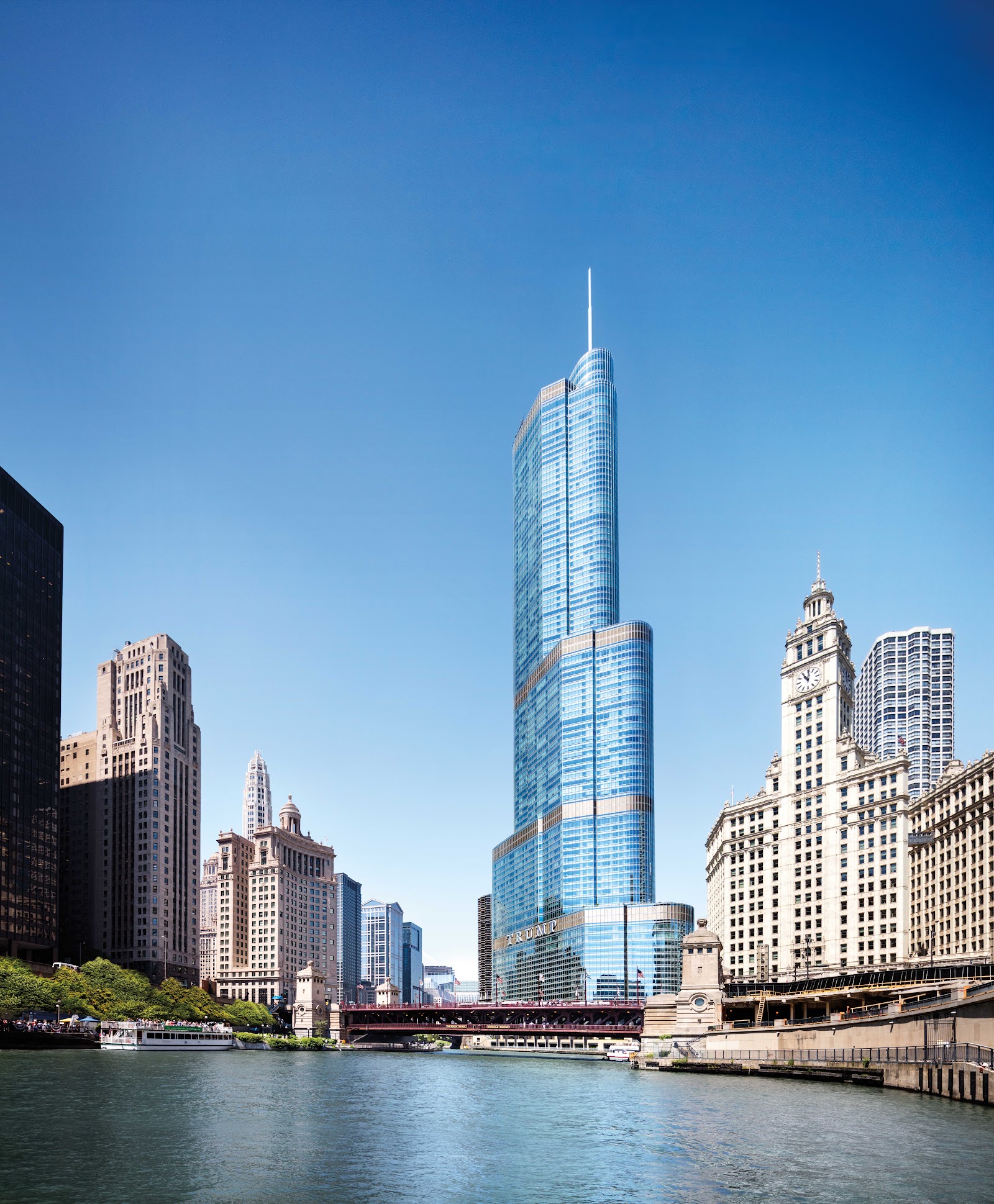
Planning a trip to Chicago? Learn how to choose the best downtown Chicago hotel, compare the Loop, River North, and Magnificent Mile, and see example properties, price ranges, and walk times to top sights.
How to Choose the Best Downtown Chicago Hotel for Your Stay
Why downtown Chicago is a strong choice for your stay
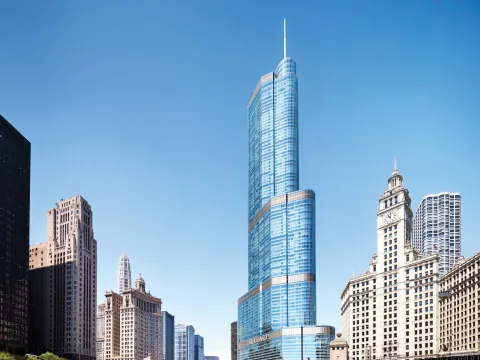
Step out of a hotel lobby on South Michigan Avenue and the city hits you immediately — the stone lions of the Art Institute of Chicago to one side, the open lawns of Grant Park to the other, and the Chicago skyline rising like a steel proscenium. Staying in downtown Chicago puts you at the center of this daily theater. For a traveler based in the United States, it is one of the few urban cores that still feels both monumental and walkable.
The main decision is not whether to stay in a hotel in Chicago downtown, but which pocket of the center suits you. The Loop, River North, and the Magnificent Mile each offer a different rhythm, a different way of waking up in the city. From many hotels in central Chicago you are within a 5 to 10 minute walk of the Chicago River, the lakefront trail, or a major museum, which makes short trips feel surprisingly efficient. You can land at O'Hare or Midway in the morning and be checking into a Chicago hotel in time to walk to lunch.
Downtown Chicago works especially well if you want to skip a car. Many properties offer parking, but the real luxury is stepping out on foot. The center is dense with restaurants, theaters, and parks, so you can treat your hotel as a base camp and let the city unfold in concentric circles around it.
Choosing your downtown neighborhood: Loop, River North, Magnificent Mile
On a weekday morning in the Loop, you feel the city at work. Suits on LaSalle Street, the elevated tracks rattling overhead, the canyon of office towers framing the Chicago River. Hotels here suit travelers who like structure — easy access to the financial district, government buildings, and the cultural spine along Michigan Avenue. From many Loop addresses, Grant Park is a few blocks east, a literal breathing space when you need to step away from meetings.
Representative Loop options include the Palmer House, a Hilton Hotel (17 E Monroe St; often around $180–$260 per night outside peak events; about a 6–8 minute walk to the Art Institute and Grant Park) and the JW Marriott Chicago (151 W Adams St; frequently $230–$320; roughly 10 minutes on foot to the riverwalk). Both sit close to multiple CTA stations, which shortens trips to neighborhoods beyond downtown.
Cross the river to River North and the mood shifts. Converted warehouses, galleries, and a dense grid of restaurants make this one of the most popular areas for guests who care more about dinner reservations than boardrooms. A hotel located near Marina City, those iconic corncob towers on State Street, puts you within a short minute walk of the riverfront promenades and the nightlife that runs late but feels contained.
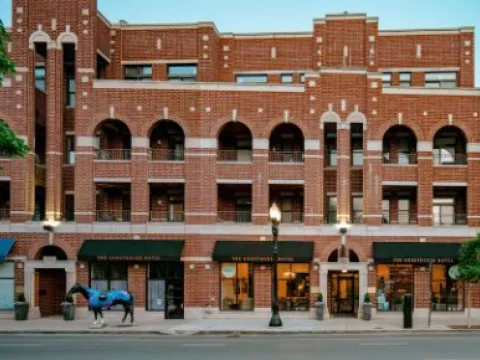
In River North, properties such as The Godfrey Hotel Chicago (127 W Huron St; commonly $170–$250; about a 10–12 minute walk to the Magnificent Mile) and the Embassy Suites by Hilton Chicago Downtown River North (600 N State St; often $190–$270; roughly 8 minutes to the Chicago River) appeal to travelers who want restaurants and bars within a few blocks.
Farther north, the Magnificent Mile stretches along North Michigan Avenue, lined with flagship stores and high-rise luxury hotels. This is where many travelers who want a classic city break gravitate, especially first-time visitors. You trade a little of the Loop's grit for polished lobbies, high-floor rooms with long views, and easy access to both the Chicago River bridges and the lakefront at Oak Street Beach.
Along the Magnificent Mile, examples include the Chicago Marriott Downtown Magnificent Mile (540 N Michigan Ave; typically $220–$320; about a 5–7 minute walk to the river) and the Park Hyatt Chicago (800 N Michigan Ave; often $450–$650; roughly 6–8 minutes on foot to Oak Street Beach). These addresses suit visitors who want shopping, dining, and lakefront access in a compact radius.
What to expect from rooms, comfort, and design
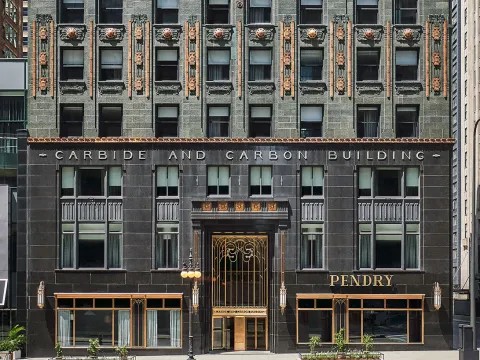
Inside the rooms, downtown Chicago hotels tend to fall into two broad camps. Some lean into heritage — high ceilings, heavy doors, marble in the corridors, and a sense that the building has seen a century of conventions and weddings. Others are newer towers with floor-to-ceiling glass, cleaner lines, and a more restrained palette. Both can feel premium when done well; the difference is whether you want history in the walls or a blank canvas above the city.
Room sizes vary more than you might expect. In older Loop properties, a standard room can feel compact but cocoon-like, good for solo travelers who spend most of the day out in the city. In newer builds along the Magnificent Mile or in River North, you are more likely to find larger layouts, corner rooms, and suites that make sense for families or longer stays. Pay attention to whether the hotel describes river views, park views, or skyline views — each frames Chicago differently.
Sound insulation is a quiet but important detail. A room facing the elevated tracks in the Loop offers cinematic city scenes but can bring more noise, while a higher floor facing Grant Park or the lake often feels calmer. When you read reviews, look for comments from guests about sleep quality rather than just decor. A good bed, blackout curtains, and thoughtful lighting matter more than a dramatic lobby once the door closes.
Services that actually matter: breakfast, parking, and practical comforts
Morning in downtown Chicago starts in different ways depending on your hotel. Some properties focus on a substantial breakfast in a ground-floor restaurant, which works well if you like to sit down before heading into the city. Others keep it lighter, with a small café or grab-and-go counter that suits early departures or those who prefer to explore neighborhood coffee spots on Wabash Avenue or in River North.
Parking is another key variable. Many central hotels offer valet parking, sometimes with in-and-out privileges, which is helpful if you plan day trips beyond the city. If you are arriving by car but leaving it parked for most of the stay, consider a property a little west of Michigan Avenue or closer to the edge of the Loop, where garages are more common. For travelers who want a more budget-conscious option, staying slightly off the most popular blocks and using transit or walking can be a smart trade-off.
Practical comforts extend beyond the obvious. Some hotels provide access to nearby fitness centers or a small in-house gym, which matters in winter when the lakefront path is less inviting. Others emphasize lounges and quiet corners in the lobby where you can work or read between outings. When comparing hotels across downtown Chicago, look for these small, lived-in details in guest feedback rather than focusing only on star rating labels.
To compare quickly, think in terms of three basics:
- Parking: Valet is common near Michigan Avenue; self-parking garages are more frequent a few blocks west.
- Breakfast: Full-service restaurants are typical in larger convention hotels; grab-and-go cafés appear more in boutique and lifestyle properties.
- Family-friendly features: Look for suites, sofa beds, and pools in mid-range brands; connecting rooms and larger layouts are more common in newer towers.
Atmosphere and style: from classic grandeur to contemporary calm
Walk into a historic property facing Grant Park and you feel it immediately — terrazzo floors, chandeliers, perhaps a grand staircase that seems designed for a different era of travel. These hotels often attract guests who want their Chicago stay to feel cinematic, especially in winter when the lobby becomes a refuge from the wind off the lake. The trade-off can be slightly older room layouts, but the public spaces carry a sense of occasion that newer towers rarely match.
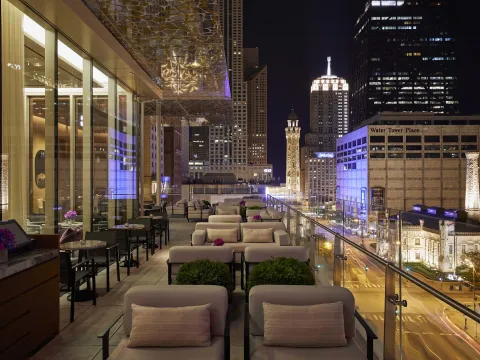
In River North and along the Chicago River, the mood is more contemporary. Many properties here favor clean-lined furniture, muted tones, and large windows that turn the city itself into the artwork. If you prefer a quieter, design-forward environment, these can be appealing, especially for couples or solo travelers who treat the hotel as a calm counterpoint to the city outside. Some belong to larger groups or a collection hotel brand, including Autograph Collection style properties, which often means a bit more personality than a standard chain.
Families and groups often gravitate toward hotels in downtown Chicago that balance style with straightforward layouts — double-queen rooms, connecting options, and intuitive public spaces. If you see reviews excellent for staff helpfulness and ease of navigating the building, that usually signals a property that works well for multi-generational trips, not just quick business overnights.
Who each area suits best — and what to verify before you book
Business travelers tend to do best in the Loop or just north of the river. Being a short minute walk from offices, the convention center shuttle stops, or the major transit lines saves time, and many hotels here are set up for quick arrivals and early departures. If your days are structured around meetings, prioritize location and efficient service over dramatic views.
Leisure travelers, especially first-timers, often prefer the Magnificent Mile or River North. From a downtown Chicago hotel in these areas, you can walk to the Chicago River architecture boat tours, the shops along Michigan Avenue, and a dense cluster of restaurants without thinking about transit. Couples might lean toward river-facing luxury hotels, while groups of friends may choose properties closer to the nightlife grid west of State Street.
Before booking, verify three things. First, the exact address and its relation to the places you care about — for example, how far it is on foot to Grant Park, the riverwalk, or the theater district. Second, the recent pattern of guest reviews, not just the overall rating; look for consistent comments about cleanliness, staff being helpful, and the condition of the rooms. Third, any non-obvious fees or policies that affect your stay, such as parking arrangements or breakfast options, so the experience matches your expectations.
Balancing value, comfort, and the downtown Chicago experience
Value in downtown Chicago is less about chasing the lowest nightly rate and more about aligning what you pay with how you actually use the hotel. If you plan to spend long afternoons in the room, perhaps working remotely or traveling with children, investing in a larger space or a higher floor with a park or river view makes sense. If you will be out from breakfast until late evening, a smaller but well-designed room in a central location can feel like the smarter choice.
Travelers seeking something closer to Chicago cheap often look just beyond the most popular blocks of Michigan Avenue or a few streets west of the Loop's core. You may lose the instant drama of stepping directly onto the Magnificent Mile, but you gain quieter streets, sometimes easier parking, and a more local feel. The city is compact enough that a 10 to 15 minute walk still keeps you firmly in the downtown Chicago orbit.
Ultimately, the best hotel Chicago downtown for you is the one whose everyday details line up with your habits. If you care about a good breakfast on site, prioritize that. If you want to be near a specific park, theater, or restaurant cluster, let the map guide you. Read reviews with an eye for patterns, not one-off complaints, and treat the rating as a starting point rather than the final word. Done right, your hotel becomes part of how you experience the city, not just the place you sleep.
FAQ
Is downtown Chicago a good area to stay for first-time visitors?
Yes, downtown Chicago is one of the best areas for first-time visitors because it concentrates many of the city’s major sights within a compact, walkable center. From most Chicago hotels in the Loop, River North, or along the Magnificent Mile, you can reach the Chicago River, Grant Park, and Michigan Avenue on foot, which makes short trips feel efficient and reduces the need for a car.
Which downtown Chicago neighborhood is best for nightlife and dining?
River North is generally the strongest choice if nightlife and dining are your priorities. The area just north of the Chicago River and west of Michigan Avenue is dense with restaurants, bars, and late-night spots, and many hotels there place you within a few minutes’ walk of multiple options. It offers a livelier evening atmosphere than the Loop, which quiets down after office hours.
How far are downtown Chicago hotels from the lakefront and parks?
Many hotels in downtown Chicago are within a 5 to 15 minute walk of major green spaces. Properties along South Michigan Avenue face Grant Park directly, while those near the Magnificent Mile are close to the lakefront path and beaches north of the river. Even hotels a bit farther west in the Loop or River North usually allow easy access to a park or the riverwalk without needing transit.
What should I look for in guest reviews before booking a downtown Chicago hotel?
When reading reviews, focus on consistent themes rather than isolated comments. Pay attention to how guests describe cleanliness, staff being helpful, noise levels, and the condition of the rooms, as these factors affect comfort more than decor alone. It is also useful to note any repeated mentions of breakfast quality, parking ease, and how accurately the location matches the hotel’s description.
Is it necessary to rent a car when staying in downtown Chicago?
For most travelers, renting a car is not necessary when staying in downtown Chicago. The central neighborhoods are walkable, public transit is widely available, and many key attractions sit within a compact area around the Loop, River North, and the Magnificent Mile. If you plan day trips outside the city, parking is available at many hotels, but for a purely urban stay, you can comfortably rely on walking and transit.
Sources: City of Chicago tourism information, Choose Chicago visitor guides, and regional transportation maps, plus publicly listed hotel locations and typical price ranges from major booking platforms at the time of writing.