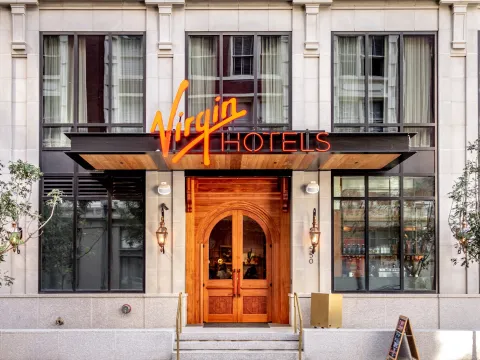
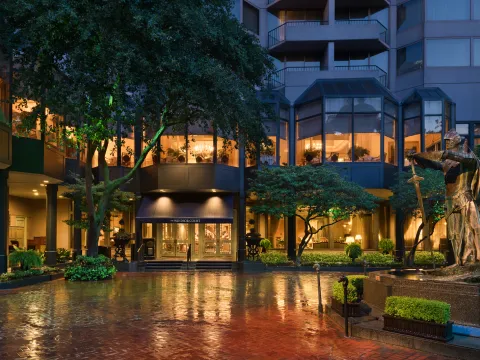
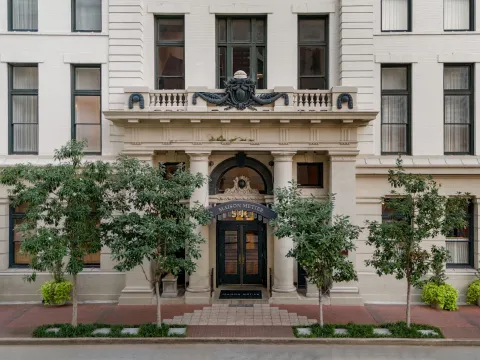
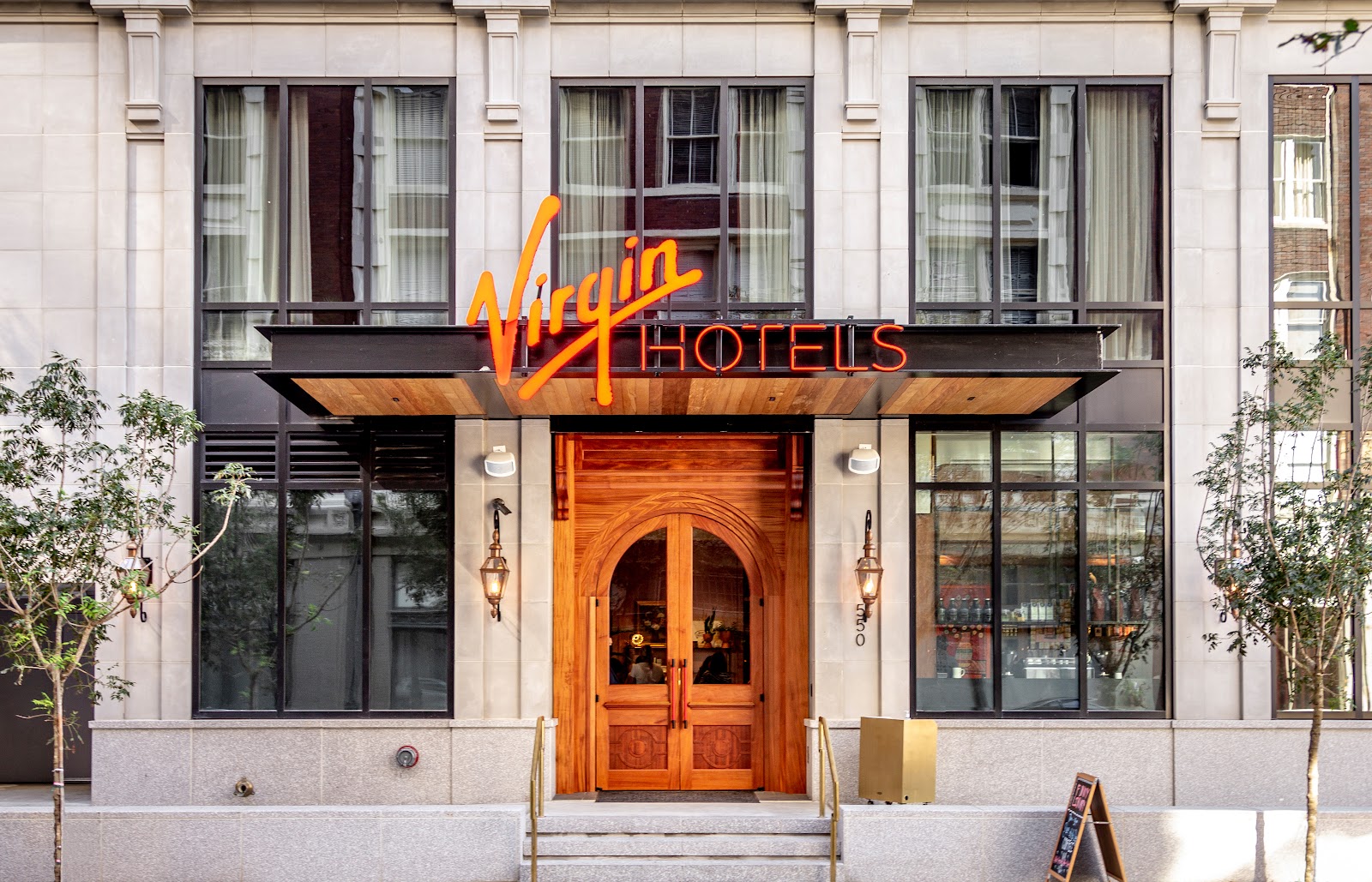
Practical guide to the best hotels in Louisiana, from New Orleans French Quarter stays to Baton Rouge riverfront hotels and Lake Charles lakefront resorts, with tips on rooms, pools, parking and pets.
Choosing Louisiana for your next stay
Live music drifting out of a corner bar on Frenchmen Street, cypress trees mirrored in a still lake at dawn, the low hum of a ceiling fan in a cool, high-ceilinged room. A stay in Louisiana is rarely just a night in a hotel. It is a way into the culture of one of the most distinctive states in the United States, from New Orleans’ historic inns to riverfront hotels in Baton Rouge and lakeside resorts in Lake Charles.
For a traveler based in the United States, the first decision is not which hotel, but which Louisiana city. New Orleans, Baton Rouge and Lake Charles each offer a different rhythm, and the best hotels in Louisiana tend to lean into their setting rather than hide it. In New Orleans, you sleep close to the French Quarter or along the river; in Baton Rouge, you look toward the Mississippi and the State Capitol; in Lake Charles, you face the water or the marshes and the Creole Nature Trail All-American Road.
Luxury and premium properties here are not about anonymous gloss. They are about a sense of place, a pool that actually feels like a retreat in the heat, a room that opens onto a balcony where you can hear the city. Before you book, check how the hotel relates to its neighborhood, how far it sits from the places you actually want to walk to, and whether the atmosphere matches the kind of holiday you have in mind, from a weekend city break to a longer Gulf Coast road trip.
New Orleans: where to stay around the French Quarter
Step out onto Royal Street at 08.00 and you will see the city before the crowds arrive. This is the New Orleans that rewards staying within a few blocks of the French Quarter, but not necessarily right on Bourbon Street. Many of the best hotels in New Orleans sit just a few New Orleans blocks from the noisiest corners, close enough to walk, far enough to sleep, with typical walking times of 5–10 minutes to Jackson Square or Café du Monde.
Look carefully at how a property positions itself in relation to the French Quarter and the Central Business District. A refined hotel in this part of Orleans, Louisiana might offer suites with tall windows, inner courtyards, and a small pool tucked behind brick walls. Representative options include boutique properties near Royal Street and Canal Street, where on-site parking is limited and often charged per night. Parking is often tight in the historic core, so check whether on-site parking is available, whether valet-only service is offered, and whether parking with pets is possible if you are driving with an animal companion.
New Orleans airport lies roughly 13 miles (about 20 km) west of downtown, so late arrivals should consider whether they want a quick airport hotel for the first night or to go straight into the city, a drive of around 25–35 minutes in normal traffic. For a short holiday focused on food and music, staying in or just outside the French Quarter makes sense. For longer trips, some travelers prefer to split their stay between a central hotel in Orleans French Quarter proximity and a quieter inn with larger rooms and suites in a residential neighborhood like the Garden District or Uptown, typically 10–20 minutes away by streetcar.
Baton Rouge and the river cities
Stand on the levee near River Road in Baton Rouge at sunset and you understand why river views matter here. Hotels in Baton Rouge tend to cluster along the Mississippi and around downtown, with a mix of classic inns, modern suites and larger hotels resorts that serve both business and leisure guests. The best of them use the river as a backdrop rather than just a line on the map, with many properties within a 5–10 minute walk of the State Capitol or the Louisiana Art & Science Museum.
For travelers driving across the Louisiana United corridor on Interstate 10, Baton Rouge is a natural stop between Houston and New Orleans, sitting roughly 80 miles (about 130 km) from New Orleans and 220 miles (about 355 km) from Houston. A well-chosen hotel here can turn a simple overnight into a small city break. Look for a room that includes access to a pool for the humid months, and check how easy it is to walk from the lobby to the riverfront, the State Capitol or the restaurants along Third Street, where many visitors spend their evenings.
Parking is generally easier here than in New Orleans, which makes Baton Rouge attractive if you are traveling with a car and a lot of luggage. Some properties lean toward the inn and suites model, with larger living areas and kitchenettes that work well for families or longer stays. Others feel closer to a traditional star hotel, with a defined lobby bar, more formal service and a clear separation between business floors and leisure-oriented rooms, often reflected in different price bands and room categories.
Lake Charles, lakeside stays and resort-style hotels
Fog lifting off Lake Charles at first light, shrimp boats moving slowly across the water, the low clink of glasses from a terrace bar. This is a different Louisiana from the one you find in the French Quarter, and the hotels reflect that. Lake Charles has become a hub for larger hotels resorts, many of them oriented around the lake itself and the nearby casinos that draw visitors from across Texas and the wider United States.
If you are planning a holiday that mixes casino time, pool days and drives along the Creole Nature Trail, this is where you look. Properties here often emphasize resort-style pools, multiple dining options and large suites that can comfortably host a group for more than one night. When you check rates, pay attention to whether lake views are guaranteed or only available in certain room categories, and whether resort fees cover extras like parking, Wi‑Fi and access to spa or fitness facilities.
Because Lake Charles is more spread out than a dense city center, location matters in a different way. A hotel directly on the lakefront offers immediate access to walking paths and water views, while an inn express style property closer to the highway may be more practical for a quick stop on a longer road trip across the United States. Decide whether you want the lake as a constant backdrop or simply a convenient waypoint between Texas and the rest of Louisiana, bearing in mind that driving times between hotels and trailheads or boat launches can range from 10 to 40 minutes.
Understanding room types, amenities and atmosphere
High ceilings, heavy curtains, a ceiling fan turning slowly above a wide bed. The details of a room in Louisiana can shape your entire stay, especially in the heat of summer. When comparing Louisiana hotels, look beyond the basic room label and focus on how the space is organized and what it includes, from air conditioning and blackout shades to balconies and in-room coffee makers.
Suites in city hotels often add a separate sitting area, which matters if you plan to work, share the room with family or simply want a place to decompress after a long day in the city. In resort areas like Lake Charles, suites may open onto terraces or balconies facing the lake or pool. In older city-center inns, rooms can be more compact but compensate with character, tall windows and balconies over the street, sometimes with shared courtyards or galleries typical of historic New Orleans architecture.
A pool is not a decorative extra in this part of the United States; it is often the difference between retreat and fatigue after a day in the sun. Check whether the pool is large enough for actual swimming or more of a plunge pool for cooling off. For drivers, verify how parking is handled and whether it is on-site or in a nearby garage. If you are traveling with animals, confirm that pets are allowed and whether there are specific floors or areas designated for guests with pets allowed, as policies vary widely even within the same city and can include nightly fees or refundable deposits.
Practical checks before you book
Distance from where you will actually spend your time is the first filter. In New Orleans, that might mean counting how many blocks separate your hotel from the French Quarter, the Warehouse District or the streetcar line on St. Charles Avenue, and estimating walking times of 5–20 minutes. In Baton Rouge, it could be the walk from your inn or suites property to the riverfront or the main downtown restaurants, or a short drive of 10–15 minutes from suburban hotels near Interstate 10.
Before you confirm, check rates across several dates rather than just the night you first searched. Louisiana’s calendar is punctuated by festivals, football games and conventions that can transform both availability and atmosphere. A quiet midweek stay can feel entirely different from a weekend when the city is full of visitors. Read a range of reviews with an eye for patterns rather than isolated complaints, focusing on comments about noise, maintenance and service consistency, and comparing recent feedback with older impressions.
Travelers driving across the state should pay attention to access and parking. Some city hotels offer valet only, which may not suit those who prefer to come and go frequently. Others provide self-parking in attached garages or open lots. If you are arriving late from Orleans airport or another regional hub, consider whether 24-hour front desk service and late check-in are clearly stated. It is also worth checking whether your room rate includes breakfast or other small touches that can simplify mornings before you head back out into the city, such as coffee in the lobby or early check-out options.
Who Louisiana hotels suit best
Road-trippers crossing the southern United States, couples chasing live music, families looking for a pool and space to breathe. Louisiana hotels can serve all of them, but not with the same properties. The key is to match your profile to the right kind of stay rather than chasing a generic idea of a star hotel or assuming that one neighborhood suits every type of traveler.
For culture-focused travelers, a central hotel in Orleans, Louisiana within walking distance of the French Quarter or the main museums makes more sense than a larger resort on the edge of town. You trade expansive pools for the ability to step out and be in the middle of the city within minutes. For those who want a holiday built around downtime, lakefront resorts near Lake Charles or larger hotels resorts along the Gulf corridor offer more space, more leisure facilities and a slower pace, often with on-site dining and entertainment that reduce the need to drive.
Families and travelers with pets often gravitate toward inn and suites style properties, where rooms are larger and policies are clearer about pets allowed. Solo travelers or couples on shorter trips may prefer a more compact, design-forward hotel where the emphasis is on atmosphere and location rather than square meters. In every case, the best hotels in Louisiana are the ones that feel aligned with why you came in the first place — whether that is to hear a brass band on Frenchmen Street, watch barges slide past Baton Rouge at dusk, or wake up to the stillness of a lake just beyond your window.
Is Louisiana a good destination for a hotel-focused getaway?
Louisiana works well for a hotel-focused getaway because many properties are deeply tied to their surroundings, whether that is a courtyard hotel in New Orleans, a riverfront stay in Baton Rouge or a lakeside resort in Lake Charles. You can build an entire holiday around the atmosphere of your hotel, using it as a base for short forays into the city or the wetlands, then returning to a pool, terrace or balcony that feels like part of the experience rather than just a place to sleep.
Where should I stay in Louisiana for a first visit?
For a first visit, most travelers start in New Orleans, choosing a hotel within walking distance of the French Quarter but not directly on its busiest streets. This gives you easy access to the city’s food, music and architecture while preserving some quiet at night. If you have more time, adding a couple of nights in Baton Rouge or Lake Charles offers a useful contrast between urban river life and lakeside or resort-style stays, and helps you experience different sides of Louisiana in a single trip.
Are Louisiana hotels suitable for travelers with pets?
Many Louisiana hotels do accept animals, but policies vary by property and city. Urban hotels in New Orleans and Baton Rouge may limit pets to certain floors or room types, while some inn and suites style properties along highways or near Lake Charles are more flexible. Always verify that pets are allowed, check any size or breed restrictions, and confirm whether there are extra cleaning fees before you book, as these can add a noticeable amount to the nightly rate.
How important is a pool when booking a hotel in Louisiana?
A pool can be very important in Louisiana, especially from late spring through early autumn when temperatures and humidity are high. In city hotels, even a small courtyard pool offers a crucial cool-down after walking through New Orleans or Baton Rouge. In resort areas like Lake Charles, larger pools and outdoor spaces often become the center of daily life, so it is worth checking pool size, layout and opening hours if relaxation is a priority, and confirming whether there are shaded areas or shallow sections for children.
Should I rent a car for a hotel stay in Louisiana?
Whether you need a car depends on your itinerary. If you plan to stay mostly in central New Orleans near the French Quarter, you can rely on walking, streetcars and rideshares, and focus on a hotel with limited but convenient parking. If you want to explore Baton Rouge, Lake Charles, smaller towns or state parks, a car becomes more useful, and you should prioritize hotels with straightforward parking and easy access to main highways, especially if you expect to cover long distances between cities in a single day.