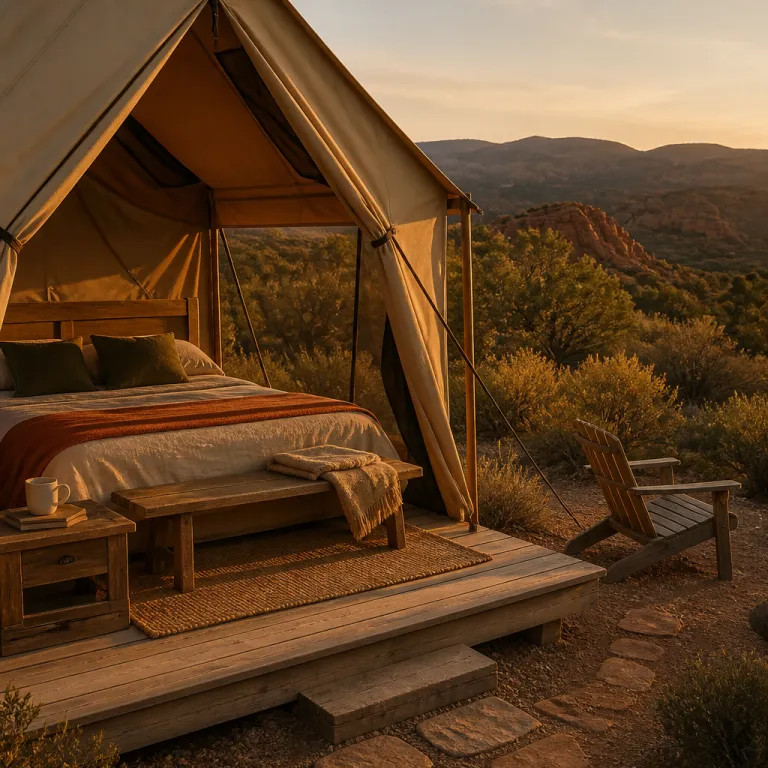
The new spectrum of luxury glamping outdoor hotels in the USA
Luxury glamping outdoor hotels in the USA sit between classic camping and polished city resorts. This new spectrum stretches from simple canvas tents with real mattresses to full tented suites that rival a high-end retreat, and it is reshaping how American couples book romantic escapes close to national parks. When you choose glamping over a conventional hotel, you are choosing an experience where the night air, the river outside and the wood-burning stove matter as much as the thread count.
At the lighter end of the scale, you will find glamping tents that keep the spirit of camping but add proper beds, heating and curated activities for guests. These tented camps often sit just outside a national park boundary, so you wake near the trailheads yet still enjoy hot showers, private decks and thoughtful dining pavilions that feel more like intimate resorts than campgrounds. As one widely used industry definition puts it, “Glamping is luxury camping with hotel-like amenities,” a description reflected in real-world brands such as Under Canvas, AutoCamp and Collective Retreats.
Higher up the spectrum, luxury glamping resorts in the USA operate almost like traditional resorts, only with canvas and timber instead of concrete. Here, tented suites come with en suite bathrooms, soaking tubs and safari-style furnishings, while rates reflect the level of service, the exclusivity of the location and the depth of the glamping experience. For couples used to premium hotels, these outdoor retreats offer a familiar standard of comfort, but the soundtrack is wind in the trees instead of hallway ice machines, and the front desk might be a camp host greeting you beside a firepit.
From canvas to loyalty points: how outdoor hospitality went mainstream
Outdoor hospitality used to be a niche for travelers who already loved camping and national park road trips. That began to change when design-forward glamping brands started building tented resorts that felt more like boutique hotels, and when major hotel groups noticed that guests were willing to book canvas as readily as concrete. In recent years, several outdoor lodging companies have joined big-brand reservation systems, signaling that luxury glamping outdoor hotels in the USA are now part of the mainstream loyalty ecosystem, with examples including Marriott’s Autograph Collection properties that feature safari-style tents and partnerships between outdoor lodging operators and large chains.
For a couple sitting at home in Montana or New York, this shift means you can often earn and redeem points at select glamping-style properties, compare rates alongside city resorts and trust familiar service standards. A tented suite with a wood-burning stove and a shared dining pavilion can now appear on the same trip-planning screen as an urban tower, and both may count toward your status. This mirrors the logic driving the rise of refined stays in emerging hotel cities, where American hotel scenes are quietly expanding and outdoor hospitality is part of the conversation for travelers who once booked only conventional resorts.
As loyalty programs embrace glamping resorts, the line between a resort and a tented camp continues to blur. You might book a long weekend near a national park because the property offers private glamping tents, guided activities and resort-style service, yet you still pay attention to points earning, cancellation policies and seasonal packages. The result is a new kind of national travel habit, where a Great Smoky Mountains canvas stay competes directly with a downtown suite for your anniversary trip and where a tented retreat in Utah or California can sit on the same shortlist as a familiar city hotel.
Who chooses canvas walls over concrete, and why they return
The typical guest at luxury glamping outdoor hotels in the USA is not a first-time traveler but a couple who already knows their preferred hotel brands. They are often in their thirties to fifties, comfortable with premium rates, and they want an experience that feels more intimate than a large resort yet more comfortable than camping. Many arrive from cities after long drives, step into a private tented suite and immediately feel that the landscape, not the lobby, is the main attraction.
These guests choose glamping sites near national parks such as the Great Smoky Mountains, Bryce Canyon or Joshua Tree because they want to wake close to the trailheads without giving up hot showers, strong coffee and well-designed spaces. They might spend the morning on guided activities like horseback riding, fly fishing on a nearby river or photography walks, then return to a dining pavilion where dinner feels like a relaxed restaurant rather than a camp mess hall. For couples traveling with dogs, pet-friendly concepts such as resort-style pet services, where staff help coordinate walks and local recommendations, make the stay feel tailored and thoughtful, especially at properties that advertise dog-friendly tents and cabins.
What brings them back is the way these glamping resorts balance privacy and community. A private deck outside your tent or tented suite lets you share a glass of wine in silence, while the shared firepit or lounge encourages quiet conversation with other guests who also chose canvas over corridors. One guest described returning to the same canyon-side camp three years in a row because “we can watch the stars in total quiet, then wander over to the fire and meet people who love the outdoors as much as we do.” Over time, many couples start to book a rotation of favorite locations, returning to a beloved camp near Bryce Canyon one year and then trying a refined stay in a small-town inn or lakeside lodge the next, building a personal map of American hideaways.
Design, sustainability and the art of feeling remote yet cared for
Thoughtful design is what allows luxury glamping outdoor hotels in the USA to feel both wild and reassuring. Many operators borrow from safari-style camps, using canvas, timber and low-profile structures that sit lightly on the land while still delivering proper insulation, real bathrooms and carefully placed lighting. Architects and hospitality companies now collaborate to create off-grid spaces that feel like refined cabins rather than temporary shelters, blending contemporary design with classic camp aesthetics.
In practice, this means your tented suite near a national park might use raised platforms to protect the soil, solar panels to power soft lighting and efficient wood-burning stoves to warm cool evenings. High-end glamping tents often feature natural materials, large windows framing the river or forest and compact but well-considered bathrooms that rival those in many city resorts. Some operators in regions like Vermont, for example, use handcrafted safari-style camps to immerse guests in the wilderness while still providing hotel-level bedding, curated activities and attentive service, similar in spirit to well-known examples such as Under Canvas Yellowstone or AutoCamp Yosemite.
Sustainability also shapes how these glamping resorts manage water, waste and guest activities. Many limit the number of tents or tented suites on site, keeping the camp intimate and reducing pressure on nearby trails and rivers, while guiding guests toward low-impact experiences such as guided hikes, stargazing or fly fishing with local outfitters. According to the 2023 Kampgrounds of America North American Camping and Outdoor Hospitality Report, roughly half of campers say access to nature is their main reason for taking outdoor trips, and glamping aims to reconnect guests with that nature while maintaining comfort—a balance that has driven the wider growth of experiential tourism and the rise in luxury glamping sites worldwide.
Seasonality, hidden gems and how to book the right outdoor stay
Seasonality is the quiet variable that shapes every stay at luxury glamping outdoor hotels in the USA. Some glamping resorts in Montana or near the Smoky Mountains close in deep winter, while others adapt with insulated tents, powerful wood-burning stoves and heated dining pavilions that turn snow into part of the experience. Before you book, check whether the camp operates year-round, how they handle cold nights and what activities are realistic in shoulder seasons.
Hidden gems often sit just beyond the famous national parks, where land is quieter and rates can be more forgiving. Around Big Sur, for example, you will find glamping sites tucked into redwood groves above the river, while near Bryce Canyon and Joshua Tree, several high-end tented camps have elevated the classic canvas stay into a full-scale luxury resort experience. These places offer tented suites with private decks, guided horseback riding, fly fishing or canyon hikes, and they attract guests who might otherwise have booked a traditional resort in a nearby town.
When choosing between glamping tents, full glamping resorts and more conventional camping options, start with your preferred location and level of service. Decide whether you want a simple camp with shared facilities, a resort-style property with a strong activities program or a hybrid that feels like a small hotel with canvas walls, then compare rates, inclusions and cancellation terms carefully. For couples who enjoy water-focused stays, even a refined resort with pools and slides in a destination like Branson can pair well with a later glamping experience, creating a broader view of how American outdoor hospitality now ranges from playful family breaks to quiet stargazing retreats.
FAQ
What is glamping, and how does it differ from camping ?
Glamping is luxury camping with hotel-like amenities, while traditional camping usually involves bringing your own gear and accepting more basic conditions. In glamping tents or tented suites, you can expect real beds, heating, private or semi-private bathrooms and often a staffed dining pavilion. Traditional camping, by contrast, focuses on self-sufficiency and rarely offers resort-style services or curated activities.
Is glamping suitable for couples who usually stay in hotels ?
Glamping resorts are designed precisely for guests who enjoy hotel comfort but want a closer connection to nature. Many luxury glamping outdoor hotels in the USA offer tented suites with en suite bathrooms, quality linens and thoughtful service that will feel familiar to regular hotel guests. If you choose a property near a national park with strong reviews and clear information about amenities, the experience should feel like an upgrade in atmosphere rather than a downgrade in comfort.
How much do luxury glamping stays typically cost ?
Industry surveys suggest that mid- to high-end glamping stays in the United States often fall in the 225 to 450 dollar range per night, though rates vary widely by location, season and level of service. Properties near iconic national parks or in destinations such as Big Sur and the Great Smoky Mountains often charge more, especially for larger tented suites with private decks and premium views. To manage your budget, look for midweek stays, shoulder season dates and packages that bundle activities with accommodation.
Do luxury glamping sites work well for families or only couples ?
Many glamping sites cater to both couples and families, offering a mix of smaller tents for two and larger units that can host several guests. Operators often design activities such as guided hikes, wildlife talks and easy river outings that suit different ages, while keeping quiet hours so couples still enjoy a peaceful atmosphere. If you are planning a romantic trip, consider adults-focused sections of a camp or properties that clearly position themselves as couples-oriented resorts.
How far in advance should I book a luxury glamping stay ?
High demand and limited tent numbers mean you should book popular glamping resorts several months ahead, especially for weekends near national parks and peak summer dates. Smaller hidden-gem camps may have more flexibility, but they also fill quickly during fall foliage or spring wildflower seasons. As a general guide, aim for three to six months’ notice for peak periods and at least four to eight weeks for quieter midweek stays, then secure your preferred dates early to avoid missing out on the tent or tented suite you really want.