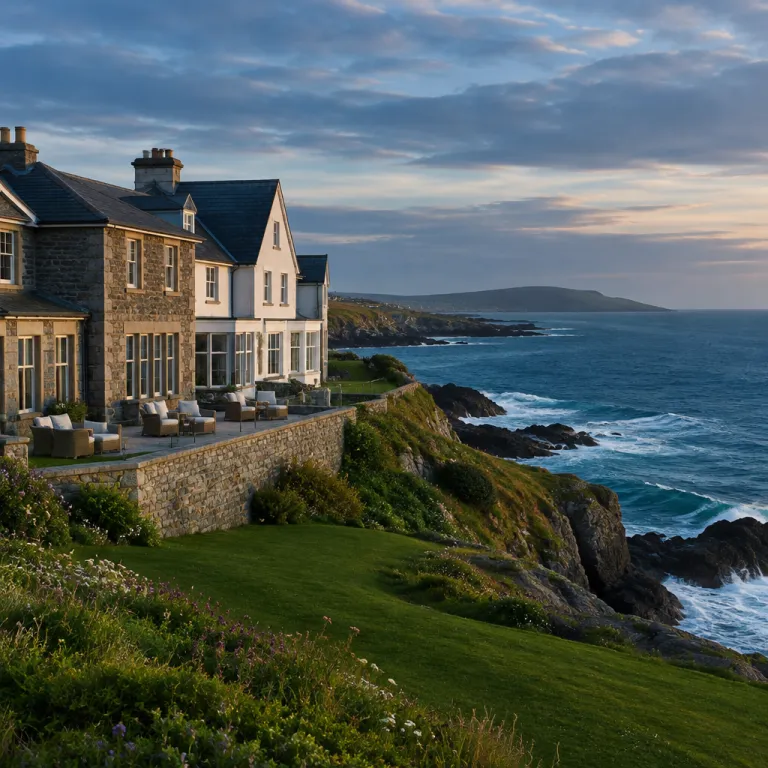
Understanding the best time of year to visit Ireland for luxury travelers
The best time of year to visit Ireland for a luxury stay depends on how you balance weather, daylight hours, and crowd levels. For many United States travelers planning to visit Ireland, April to May and early autumn from September into October offer an ideal blend of mild temperatures and calmer cities and countryside. These shoulder months give you generous daylight for scenic drives and curated tours while still feeling relaxed and unhurried.
Irish weather is famously changeable, yet the warmest season, summer, brings average high temperatures close to 17.7 °C in July, which feels pleasantly cool compared with many United States cities.1 During this peak period, daylight hours stretch late into the evening, so each day allows more time to visit coastal viewpoints, enjoy golf, or linger over tasting menus in high end hotel restaurants. Is summer best for weather in Ireland? Yes, it offers the warmest and longest days, but it is also the most crowded and expensive season for luxury hotels and tours.
Luxury guests often ask whether March is a good time year to plan an Ireland tour, especially when they want value and fewer crowds. March can be a smart time visit if you accept wider swings in temperature and a higher chance of rain, because premium hotels in Dublin and on the west coast frequently release special offers before the main season. When you compare March with July August, you trade some daylight hours and weather reliability for quieter lounges, more attentive service, and easier reservations at popular restaurants.
From a hospitality perspective, Ireland best periods for refined stays align closely with the tourism patterns that local businesses follow. More attractions now open earlier in spring and remain available later into autumn, which means Ireland tours in April, May, September, and early autumn October feel both relaxed and well serviced. Local businesses that cater to high end guests, from private drivers to Michelin starred dining rooms, tend to operate at full strength from late spring through early autumn, so your luxury tour packages can run smoothly.
United States travelers who value privacy often prefer a small group Ireland tour or fully private tour during the shoulder season. These tour types allow you to enjoy a panoramic view of the Cliffs of Moher or the wild west coast without the intense crowds that arrive in peak July August weeks. When you choose the best time to visit Ireland with this in mind, you gain a calmer lobby, quieter spa facilities, and more space in executive lounges, which elevates the entire stay.
Aligning Ireland’s seasons with United States vacation patterns
Planning the best time of year to visit Ireland from the United States starts with your own vacation calendar. Many American travelers are tied to school holidays, which pushes them toward the high season summer months of June, July, and August when every popular tour is running at full capacity. That timing gives you the longest daylight hours and the most reliable weather, but it also means high room rates, busy lobbies, and more competition for suites with a view.
If you can travel outside school breaks, April to May and September to early autumn October usually offer the best time balance between comfort and value. What months avoid crowds? April-May and September-October are least busy. During these shoulder periods, you still enjoy relatively mild weather, yet you benefit from lower high low price ranges on suites, more flexible check in times, and a calmer atmosphere in luxury hotel bars.
United States based guests often pair Britain Ireland itineraries, combining London with Dublin or Edinburgh with the west coast of Ireland. When you design a Britain Ireland journey, consider that the best time to visit Ireland may not perfectly match the best time to visit London, so you might prioritize the Irish segment during the most favorable season summer weeks and keep city heavy days for the cooler shoulder months. For deeper planning on timing luxury stays, many travelers consult a dedicated guide such as this resource on choosing the best time to visit Ireland for luxury stays from the United States.
Corporate travelers from the United States often have more flexibility in their time visit, which lets them target early autumn when Irish conference calendars are active but not overwhelming. During early autumn, you can schedule meetings in Dublin by day and then add short Ireland tours to the countryside over adjacent days, using premium hotels as your base. This time year also works well for incentive trips, where small group experiences and curated tour packages feel more exclusive because the main crowds have already left.
Families planning to visit Ireland from the United States sometimes choose March or late October to secure special offers on connecting rooms and suites. In these months, you need to prepare for more variable weather and shorter days, yet you gain quieter pools, easier restaurant reservations, and more attentive concierge support. When you weigh these trade offs carefully, you can still achieve an Ireland best experience even outside the most popular season.
Weather, daylight, and how they shape luxury hotel experiences
Understanding Ireland’s maritime weather is essential when you decide the best time of year to visit Ireland for a high end stay. The coolest month has an average high of about 7.6 °C, which feels brisk but manageable with proper layers and a good coat.1 Because rain can arrive in any season, pack light rain gear and plan your days with both indoor and outdoor options, especially if you favor spa treatments and tasting menus as much as scenic drives.
During the peak season summer months of June, July, and August, daylight hours stretch late into the evening, which transforms how you use your luxury hotel. Long evenings mean you can enjoy a late tee time, return for a leisurely spa circuit, and still sit down to dinner with a sunset view over the west coast or a city skyline. For guests booking Ireland tours that include coastal drives, these extended daylight hours are often the best time to maximize every day without feeling rushed.
Shoulder season brings more high low swings in temperature, yet it also offers some of the most atmospheric stays. In April, May, and early autumn, you might wake to soft mist over a castle lawn, spend the day on a private tour of a distillery, then return to a roaring fire in the lounge. Many luxury hotels respond to this season by curating special offers that bundle spa credits, afternoon tea, or small group excursions into tailored tour packages.
Winter is the quietest time visit Ireland, and it changes the character of premium hotels significantly. Is winter a good time to visit? Quiet and cheaper but cold, wet and many rural sites close. If you value privacy above all, this low season can still be the Ireland best period for you, especially in Dublin or Belfast where urban attractions remain open and hotel teams can focus on highly personalized service.
For more granular planning around the best time to visit Ireland, many travelers consult a dedicated timing overview such as this guide on the best time to visit Ireland. When you combine that climate insight with your own preferences for spa time, golf, or cultural tours, you can align your booking window with the season that suits you best. That alignment is what turns a simple Ireland tour into a genuinely memorable luxury journey.
Regional nuances: Dublin, the west coast, and Northern Ireland
The best time of year to visit Ireland also depends on which regions you plan to explore from your luxury base. Dublin, as the capital, supports a long season with open restaurants, galleries, and theatres even in winter, so you can visit Ireland here almost any time year and still enjoy a rich cultural program. Coastal areas on the west coast and in Northern Ireland, by contrast, feel most alive from late spring through early autumn when more local businesses open fully.
For the wild Atlantic west coast, many travelers consider late May to early autumn September the best time to combine scenic drives with high end stays. Rural and coastal regions are busier in midsummer, yet that same season summer period ensures that popular tour options such as boat trips, guided hikes, and golf tours operate daily. If you prefer a quieter atmosphere, choose early autumn when the weather often remains gentle but the main crowds have thinned.
Northern Ireland offers a different rhythm, especially around Belfast and the Causeway Coast. Here, the best time to visit Ireland’s northern region usually falls between May and September, when daylight hours are long enough to fit a full day tour to the Giant’s Causeway and still return for a late dinner in your hotel. Many Ireland tours that focus on Northern Ireland operate as small group experiences, which can be ideal for United States guests who want social interaction without the scale of a large coach tour.
Multi region Ireland tours often blend Dublin, the west coast, and Northern Ireland into one itinerary, and the timing of each segment matters. When you book tour packages that include several regions, ask your travel advisor to schedule the most weather sensitive activities, such as coastal drives or cliff walks, during the most favorable season summer weeks. Less weather dependent experiences, like whiskey tastings or literary tours, can then fill the shoulder days when rain is more likely.
Because regional patterns vary, the Ireland best strategy is to remain flexible with your day by day plan even when your hotel bookings are fixed. Pack layers so you can adapt to high low temperature shifts, and let your concierge adjust your tours based on the latest forecast. This approach ensures that no matter which time visit you choose, your luxury stay feels tailored rather than constrained by the weather.
From United States booking habits to on the ground tour types
United States travelers booking luxury hotels in Ireland increasingly favor curated tour types that match their preferred season. During the high season summer months, many guests choose private driver guide services or small group Ireland tours to avoid the crowds associated with every popular tour. These formats allow you to control your start time, linger longer at a favorite view, and return to your hotel exactly when you wish.
In the shoulder months of April, May, September, and early autumn October, tour packages often become more flexible and competitively priced. Operators may offer special offers that bundle premium hotel stays with Ireland tours focused on food, golf, or heritage, giving you better value at the best time of year to visit Ireland for balanced experiences. Because demand is slightly lower, you can also request more customization, such as a later start day or a private tasting added to a standard tour.
Short stay guests flying from the United States for only a few days often base themselves in Dublin or another major city. For these travelers, the best time to visit Ireland is less about the broad season and more about aligning their limited days with festivals, cultural events, or business meetings. A well designed Ireland tour can still fit into a three or four day window, especially if you focus on one region and let the hotel concierge arrange efficient transfers.
Longer journeys that combine Britain Ireland itineraries require more careful timing. When you plan a two week trip that includes London, Edinburgh, and an Ireland tour, you might place the Irish segment during the most favorable weather window and keep city heavy days for cooler or wetter periods. To see how this thinking applies to other premium destinations, some travelers look at comparative guides such as this article on elevated escapes at adults only resorts for discerning United States travelers, then apply similar logic to Ireland’s seasons.
Whatever your itinerary length, the Ireland best practice is to reserve your preferred hotels well ahead of time, especially for June through August. Reserve lodgings well for June-August, because these months bring the highest demand from both tourists and local events. When your hotel and core tours are confirmed early, you can then adjust smaller details like restaurant choices or spa appointments closer to your time visit.
Hidden gem stays and special offers for luxury guests
Choosing the best time of year to visit Ireland also opens doors to hidden gem properties that United States travelers sometimes overlook. Outside the peak season summer weeks, many country house hotels and castle estates release special offers that quietly include upgrades, late check out, or added experiences such as falconry or guided garden tours. These benefits are rarely available in July August when every suite is in high demand.
In early autumn, for example, a manor on the west coast might pair a reduced rate with a small group foraging tour followed by a chef led tasting menu. Because the days are slightly shorter but still bright, you can enjoy a coastal view walk in the afternoon and then retreat to the spa before dinner. This time year often feels like the Ireland best kept secret for luxury travelers who value atmosphere over heat.
March and late October can also be rewarding months to visit Ireland if you are willing to embrace softer weather and more dramatic skies. Some properties near Northern Ireland’s Causeway Coast or along the Wild Atlantic Way offer tour packages that include private transfers, curated tours, and generous dining credits at a lower overall cost than in the most popular season. When you compare the high low price difference across the year, these shoulder and fringe months can deliver exceptional value without sacrificing comfort.
Hidden gems are not limited to rural estates. In Dublin and Belfast, certain design forward luxury hotels use quieter months to test new wellness programs, art collaborations, or chef residencies, which they promote through limited time special offers. For a United States guest who visits Ireland regularly, timing a stay around these initiatives can make a familiar city feel entirely new.
To identify these opportunities, work with a trusted advisor or a premium booking platform that specializes in Ireland tours and high end stays. They can flag when a popular tour has been reimagined for a smaller group, or when a property has introduced new tour types that align with your interests. When you match these hidden gem experiences with the best time to visit Ireland for your own schedule, you create a trip that feels both polished and personal.
Practical timing tips for booking luxury hotels from the United States
Once you understand the best time of year to visit Ireland, you can translate that knowledge into concrete booking steps. Start by deciding whether your priority is weather, value, or exclusivity, because each goal points to a different season. If you want the longest days and the widest choice of Ireland tours, choose June through August and book your preferred hotels at least several months in advance.
If value and calm matter more, target April, May, September, or early autumn October as your best time to visit Ireland. Visit during shoulder seasons, and you will usually find more flexible cancellation policies, better high low rate structures, and a greater chance of complimentary upgrades. Increasing tourism in shoulder seasons means that more attractions now open earlier in spring and stay open later into autumn, so you still enjoy a full range of tour types.
For winter or fringe season stays, focus on urban centers where local businesses remain active year round. Check opening schedules of rural sites in low season, because some popular tour options pause operations when demand drops. When you plan ahead with this information, you can still enjoy an Ireland tour that feels rich and varied, even if your time visit falls in the quietest months.
Whatever season you choose, pack layers and rain gear so you can adapt to Ireland’s famously changeable weather. Plan outdoor activities early or late summer if you want the most stable conditions, and keep at least one day flexible so your concierge can rearrange tours around the forecast. With a flexible schedule and thoughtful hotel choices, every time year can become your own Ireland best season.
Key figures on timing your Ireland stay
- The warmest month in Ireland records an average high temperature of about 17.7 °C, which usually occurs in July and shapes why many travelers see July August as the best time for outdoor focused tours.1
- The coolest month reaches an average high of around 7.6 °C, typically in January, which explains why winter stays work best for urban luxury breaks rather than coastal touring.1
- May is often among the drier months by rainy day frequency, with rain falling on roughly 44 % of days, so many travelers consider late spring a strong candidate for the best time of year to visit Ireland.1
- Tourism boards and local businesses report increasing tourism in shoulder seasons, which means more attractions now open earlier in spring and later in autumn, improving the value of April-May and September-October stays.
- During the main season summer months, daylight hours can extend well beyond 16 hours per day at higher latitudes, giving luxury travelers more time to combine tours, spa visits, and fine dining in a single day.1
FAQ about the best time of year to visit Ireland for luxury stays
Is summer really the best time of year to visit Ireland?
Summer is often considered the best time of year to visit Ireland for weather and daylight, because temperatures are mild and days are long. However, it is also the most crowded and expensive period, especially in July August when every popular tour operates at full capacity. If you value quieter hotels and better value, the shoulder months of April, May, September, and early autumn October may suit you better.
Which months offer the best balance of weather and fewer crowds?
April to May and September to October usually provide the best balance between pleasant weather, manageable crowds, and reasonable prices. These months sit between the high season summer rush and the quieter winter low season, so many attractions are open but less busy. For luxury travelers, this timing often means more personalized service and a greater chance of upgrades.
Is winter a good time to visit Ireland for a luxury hotel stay?
Winter can be a good time to visit Ireland if you prioritize quiet surroundings, lower rates, and cozy indoor experiences. Rural and coastal sites may close or reduce hours, but city based luxury hotels in Dublin or Belfast often enhance their spa, dining, and cultural offerings. This season works best for guests who are comfortable with cooler temperatures and shorter daylight hours.
How far in advance should I book luxury hotels for peak season?
For peak season summer stays between June and August, you should book luxury hotels several months in advance, especially if you want specific suites or connecting rooms. High demand from both international tourists and local events means the best located properties fill quickly. Early booking also helps you secure preferred tour times and restaurant reservations.
Does the best time to visit Ireland change if I focus on Northern Ireland or the west coast?
The overall pattern remains similar, but regional nuances matter. The west coast and Northern Ireland feel most vibrant from late spring through early autumn, when weather is milder and more tours operate daily. If your itinerary focuses heavily on these regions, aim for May to September to make the most of coastal scenery and outdoor activities.
Trustful expert sources for further reading:
Central Statistics Office Ireland (tourism and climate data)
Met Éireann, the Irish National Meteorological Service (climate normals and forecasts)
Fáilte Ireland, the National Tourism Development Authority (seasonal travel guidance)
Footnote 1: Temperature, rainfall, and daylight figures are based on long-term climate normals published by Met Éireann and summary climate statistics reported by the Central Statistics Office Ireland, including tables on monthly mean temperatures, rainfall totals, and sunshine hours for Dublin Airport, Shannon Airport, and other representative stations. Exact values vary slightly by station and year; travelers should consult current Met Éireann data when finalizing plans. ↩ ↩ ↩ ↩ ↩ ↩