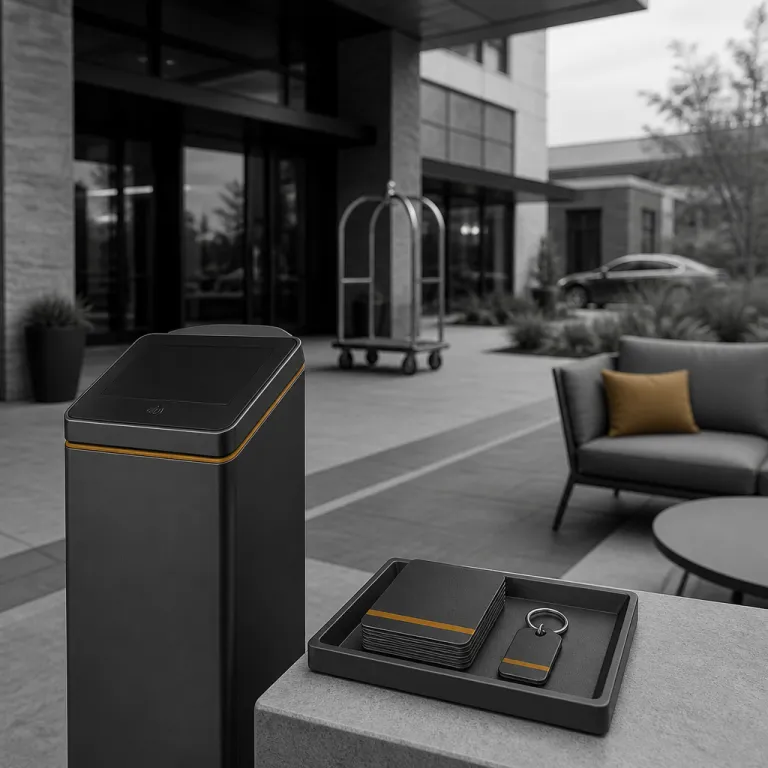
How hotel technology is reshaping the connected guest journey
From lobby lines to phone in hand: how hotel technology now frames your stay
Walk into a luxury hotel in the United States today and the first signal of change is what you do not see. The traditional front desk is shrinking as hotel technology shifts the guest journey toward your phone, your preferences, and your pace from the moment you start booking. For a solo traveler used to road trips across states, this new connected hospitality experience can feel either liberating or strangely impersonal.
For many hotels and guests, the shift began with simple tech such as RFID keycards and mobile apps for check in, then accelerated as the hospitality industry chased contactless service and better guest satisfaction. Hyatt's Andaz Hotels helped lead the way when they moved to deskless check in in the late 2000s, placing hosts in lounges instead of behind counters so the guest experience felt more like being welcomed into a living room than processed in a line. That same spirit now runs through the wider hotel industry, where technology hotel concepts are no longer reserved for a single hotel group or one-off experiment.
As a traveler based in the United States, you now meet this digital transformation long before you see your room. You feel it when an AI voice agent answers your call in real time, handles a change to your booking, and suggests better dates based on hotel revenue management systems that quietly balance demand and price. You notice it when a hotel app shows your upgraded room ready two hours early, and when post stay emails arrive with precise questions about service, satisfaction, and how the hotel operations team can elevate guest comfort on your next visit. As one general manager told a recent industry conference, “If the tech does its job, guests remember the feeling of control, not the software running in the background.”
Deskless arrivals and keyless doors: what a connected check in really feels like
The connected hotel starts before you reach the lobby, when the booking engine confirms your stay and prompts you to download the hotel app or use a mobile web link. Virdee, founded in 2018, has pushed this shift by building mobile web solutions that let a guest check in without installing anything, which matters when you are hopping between hotels on a long stretch of travel. For a solo explorer, that means you can complete the guest journey from airport rideshare to room door with one hand on your phone and the other on your carry on.
Deskless check in removes the queue but not the need for human hospitality, so the best hotels train their team to float through the lobby and offer real service instead of waiting behind counters. You might confirm your identity through digital systems, receive a notification that your room is ready in real time, and then tap your way up in the elevator while a host walks beside you and answers questions about the neighborhood. This blend of hotel tech and human contact is where the hospitality industry either shines or stumbles, and you feel the difference within minutes of arrival.
Keyless entry is now common at many hotels resorts and urban properties, turning your phone into the room key and reducing the friction of late night arrivals or solo trips. For travelers chasing art, music, and desert light, this kind of connected stay pairs naturally with destinations like the Coachella Valley, where our guide to where artists really stay for a luxury escape highlights properties that use technology to support, not overshadow, the landscape. When you arrive dusty from the road and bypass the desk entirely, the right balance of tech and warmth can make the hotel feel like a private retreat rather than a faceless business.
Inside the smart room: when hotel tech follows you to the pillow
Once the door closes, the connected room becomes the real test of hotel technology and guest experience 2026 level expectations, even if no one says that phrase out loud. Smart lighting, app based thermostats, and tablet based service menus are no longer just for flagship hotels; they are filtering into midscale properties along interstate corridors and in smaller cities. For a solo traveler, this means you can tune the room to your preferences in seconds, or feel overwhelmed by systems that seem designed more for demos than for sleep.
Hotel Communication Network has pushed in room dining into the digital age with its DineIN platform, which lets guests order through tablets or QR codes instead of paper menus and phone calls. That shift sounds minor, yet it changes the guest journey from hungry to satisfied by making data, menu translations, and dietary filters available in real time, while hotel operations track orders and timing through integrated systems. The best hotels use these solutions to elevate guest comfort, not to push endless upsells, and you can feel the respect when the interface is clean, the options are clear, and the food arrives exactly as requested.
Smart speakers and AI driven controls are also creeping into rooms, handling lighting scenes, music, and service requests with natural language commands. These tools sit on top of deeper hotel tech stacks that manage energy use, maintenance alerts, and even which specific room you receive, a topic we explore in detail in our feature on when AI quietly chooses your hotel room. As a guest, you do not see the algorithms or the revenue management dashboards, but you feel their influence when you are offered a corner room with better views for a modest supplement that clearly reflects both demand and your loyalty history.
Behind the screen: how data, pricing, and service shape your stay
Every tap in a hotel app, every room preference you set, and every post stay survey you complete feeds the data engines that now power much of the hotel industry. Revenue management platforms use those data points to adjust rates in real time, helping hotels balance occupancy and rate so they can invest in better service, design, and technology. For you as a traveler, that means prices that move more quickly, but also more targeted offers that can feel surprisingly aligned with your habits.
Independent studies and vendor case studies often credit AI driven revenue management with RevPAR gains in the range of high single to low double digits at many hotels, which gives decision makers in a hotel group more confidence to fund new digital solutions. When a vice president of operations sees clear results in both revenue and guest satisfaction scores, it becomes easier to justify upgrades to Wi Fi, in room tablets, and mobile key infrastructure. The hospitality industry is not adopting tech for its own sake; it is chasing a mix of ROI, loyalty, and operational efficiency that ultimately shapes what you experience on the road.
Customer service is also changing as AI voice agents handle more reservation calls and routine questions, freeing human staff to focus on complex issues and high touch interactions. For guests, the difference between good and bad hotel technology lies in whether these systems feel like a wall or a bridge between you and the team at the property. When the tech resolves simple requests instantly and routes nuanced concerns to a real person who can act, the guest journey feels smooth, respectful, and quietly luxurious even in busy city hotels.
How to choose a connected hotel that actually works for you
When you scroll through a luxury and premium hotel booking website in the United States, the photos still sell the dream, but the tech details now determine how that dream plays out. Look beyond the pool shots and check whether the hotel clearly lists mobile check in, digital keys, and in room tech, because these systems define how you will move through the stay. A property that treats technology as part of its core service, not an afterthought, usually explains these features with the same care it gives to spa menus and restaurant descriptions.
Before you commit, read recent reviews that mention the app, Wi Fi stability, and how quickly service requests are handled, since these are the real markers of a mature digital transformation. Many travelers now prefer self check in, and one widely cited industry survey from 2023 reported that roughly 70 % of guests favor some form of self-service arrival, which shows how far expectations have shifted toward autonomy and speed. On our own platform, we highlight where hotel technology and guest experience 2026 style expectations align, especially in peak periods when connected systems can make or break a stay, as explored in our guide to locking down the right hotel before peak season fills up.
As you compare hotels and hotels resorts, ask yourself whether the technology will elevate guest comfort or complicate your downtime. A good connected hotel lets you handle the basics through digital tools while still offering attentive human hospitality whenever you want to slow down and talk to someone about a trailhead, a diner, or a late checkout. The best stays feel like this: tech in the background, landscape at the window, and a team that uses systems and data to anticipate what you need without ever making you feel like a data point.
FAQ
What is deskless check in at a hotel ?
Deskless check in means you complete arrival formalities without standing at a traditional front desk, often using a mobile app, kiosk, or mobile web link. Staff move through the lobby as hosts, helping guests with questions while technology handles identity verification and room assignment. This approach can shorten lines, personalize the welcome, and let you head straight to your room after a long day of travel.
How do digital room keys work and are they secure ?
Digital room keys are delivered through a hotel app or mobile web page and use encrypted communication between your phone and the door lock. When you hold the device near the lock, Bluetooth or NFC technology verifies your credentials and unlocks the room. Major hotel groups invest heavily in security for these systems, and you can add protection by using phone screen locks and avoiding sharing your device.
Are in room tablets and QR code menus actually useful for guests ?
In room tablets and QR code menus centralize information about dining, spa services, and local recommendations in a format that is easy to update. For guests, this means fewer calls to the front desk and more control over timing, customization, and special requests. When well designed, these digital tools reduce friction and support better guest satisfaction rather than replacing human interaction.
What should I check before booking a tech forward hotel stay ?
Before you book, confirm whether the property offers mobile check in, digital keys, reliable high speed Wi Fi, and clear information about in room technology. Read recent reviews that mention app performance, response times for service requests, and how staff handle any tech issues. If the hotel explains its systems clearly and guests report smooth experiences, you are more likely to enjoy a connected stay that feels effortless.
Will hotel technology reduce human service during my stay ?
Well run hotels use technology to handle routine tasks so staff can focus on meaningful interactions, not to eliminate human contact. You should still find concierges, front of house hosts, and service teams ready to help with complex needs, local advice, and special occasions. If a property emphasizes both digital convenience and attentive staff in its description, it is usually aiming for a balanced guest journey.