Populus Denver: how a carbon positive hotel in the USA rewrites the rules
How a carbon positive hotel in the USA rewrites the rules
Populus Denver sits at the edge of downtown Denver, a carbon positive hotel USA travelers can actually book rather than just read about. The 265 room Populus hotel is widely reported as the first property in the country to claim that it removes more carbon from the atmosphere than it emits, a milestone documented in Urban Villages’ public project brief (2022) and Studio Gang’s design overview (2023). That single fact quietly shifts the expectations for every future climate positive hotel in Colorado and beyond. For couples used to choosing between romance and responsibility, this hotel proves you can lower your carbon footprint without sacrificing a well mixed martini or a perfectly pressed duvet.
The architecture studio behind the building, Studio Gang, approached the project as a living organism rather than a static structure, and that mindset shows up in everything from the low carbon concrete mix to the way daylight is pulled deep into the corridors. Their published case study notes that the structure targets substantially lower embodied emissions than a conventional concrete frame of similar size, based on life cycle assessment using industry standard baselines. When an architecture studio with this level of influence commits to embodied carbon reductions, it sends a signal to real estate developers across the United States that sustainability is no longer a niche amenity but a baseline expectation. Urban Villages, the real estate developer behind Populus Denver, leaned into that challenge and treated carbon as a design material, not just a line item in a sustainability report.
For travelers, the jargon matters less than the impact, yet understanding the language helps you vote with your booking. A carbon positive hotel goes beyond carbon neutral or net zero by actively removing more emissions than it generates over its full life cycle, and in this case that means both low operational emissions and aggressive tree planting and land restoration partnerships. Urban Villages’ own materials describe a program that pairs on site efficiency with verified reforestation projects so that the building’s modeled emissions are more than counterbalanced over time. When you filter your next hotel search, phrases like carbon positive lodging in the USA or climate positive stays should signal a property where every design decision, from biophilic design in the lobby to low waste dining upstairs, has been calibrated to leave the planet slightly better than it was before you checked in.
From low carbon concrete to tree planting: what carbon positive really means
Most travelers have heard terms like carbon neutral, net zero, and carbon positive, but the differences can feel academic when you are just trying to plan a long weekend in Colorado. At Populus Denver, those definitions become tangible, because the building itself was designed to use low carbon concrete, energy efficient systems, and 100 percent renewable electricity sourced from regional wind, all of which slash operational emissions before any offsets are counted. According to the developer’s sustainability summary (2023), the hotel intends to match its annual electricity demand with wind energy purchased from local utilities and community scale projects, a claim that can be cross checked against future utility disclosures and green power certifications. On top of that, the hotel funds tree planting through partners such as the National Forest Foundation and local regenerative farms, so that each guest night corresponds to at least one new tree in the ground and a measurable reduction in long term carbon footprint.
Carbon neutral usually means a hotel balances its emissions with offsets, while net zero aims to reduce emissions as much as possible before offsetting the remainder, yet both can still allow a relatively high baseline of pollution. A carbon positive hotel, by contrast, commits to removing significantly more carbon than it emits, and Populus hotel has publicly aligned itself with that higher bar by targeting a 400 percent offset of its remaining emissions through verified projects, as stated in Urban Villages’ 2022 project communications. That figure is expected to be documented in third party reviewed impact reports once the hotel has several years of operational data. The property also uses biodigesters and a zero waste operational model so that every scrap of food is composted and returned to nearby farms, which closes the loop in a way that aligns closely with regenerative tourism principles explored in depth in our guide to how your hotel stay can help heal the land.
Behind the scenes, Urban Villages and Studio Gang track embodied carbon in the structure and finishes, from the carbon concrete mix in the foundations to the insulation and glazing that keep heating and cooling loads low. Their design documentation references whole building life cycle assessment following standards such as EN 15978 and the Greenhouse Gas Protocol, with comparisons against typical U.S. hotel construction to quantify percentage reductions. That attention to embodied carbon is unusual in the American hotel market, where most sustainability efforts still focus on swapping light bulbs and asking guests to reuse towels, yet it is precisely this building level rigor that allows Populus Denver to credibly claim carbon positive status. When you book here, you are not just offsetting a weekend away; you are supporting a prototype for how future urban villages and city center hotels across the USA might be designed from the ground up to be climate positive, with performance data that can be checked against public reports over time.
Key climate metrics at a glance
| Impact area | Populus Denver approach | How guests can verify |
|---|---|---|
| Operational energy | 100% of modeled electricity demand matched with regional wind power | Check future utility green power labels and annual sustainability reports |
| Embodied carbon | Low carbon concrete and high performance envelope, benchmarked via LCA | Review published design summaries and any third party LCA disclosures |
| Carbon balance | Targeting 400% offset of remaining emissions through verified projects | Look for independent impact audits and project level verification |
| Waste and food systems | Biodigesters, composting, and farm partnerships to keep organics out of landfill | Ask on site about waste handling and partner farm relationships |
The guest experience: quiet luxury in an aspen inspired building
From the street, the Populus Denver building reads like a sculpted white trunk rising above downtown Denver, its windows shaped as elongated ovals that the design team calls the aspen eye. Those openings are not just a visual flourish; they are part of a biophilic design strategy that references the aspen tree groves of the Colorado high country while pulling natural light deep into the corridors and rooms. For couples arriving from the airport rail line or a road trip across the plains, the effect is both urban and strangely calming, like stepping into a grove after a long drive.
Inside, Studio Gang designed the interiors so that sustainability never feels like sacrifice, and the result is a series of warm, layered spaces where low waste operations are invisible to the casual guest. Carpets and finishes were gang designed with durability and low carbon materials in mind, yet what you notice first is the way the lobby bar frames the city skyline and the mountains beyond, not the embodied carbon data behind the furniture. If you are interested in how hotels can double as cultural spaces, the lobby here also fits into a broader movement we explore in our feature on theatrical lobbies and immersive art, where architecture and hospitality merge into a single experience.
In the guest rooms, the aspen eye windows create deep, carved out seats that feel almost like tree hollows, and this small design move changes how you inhabit the space. You might curl up with a local whiskey and watch the light shift over downtown Denver, or simply open the window for fresh air, knowing the building was designed to keep energy use low even when guests interact freely with the façade. The overall impression is that of a next generation eco hotel where carbon metrics and biophilic design quietly support your stay rather than dominate it, which is exactly what discerning travelers have been asking for when they search for genuinely sustainable, carbon positive accommodation across the USA.
Food, waste, and the farm loop: every scrap has somewhere to go
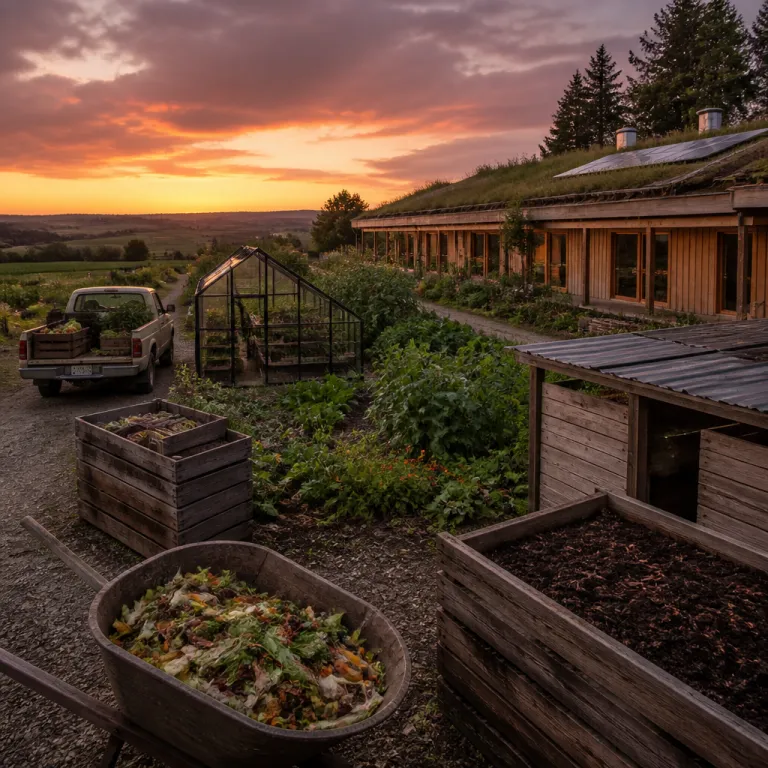
Where Populus Denver truly earns its reputation is not just in the architecture but in the way it handles what most hotels treat as an afterthought, namely food waste and back of house operations. The rooftop restaurant and bar, with menus that nod to Colorado ingredients and Rocky Mountain seasons, runs on a low waste philosophy that starts with careful ordering and extends to how every scrap is handled once plates leave the table. In practice, that means kitchen trimmings, coffee grounds, and unfinished dishes are routed to on site systems and partner farms rather than to landfill, closing a loop that most guests never see but that dramatically cuts emissions.
The hotel uses biodigesters and a rigorous composting program to ensure that organic waste becomes soil building material for local regenerative farms, and this is where the phrase "every scrap returns to the farm" becomes literal rather than marketing language. Courtesy of partnerships with nearby growers, the same farms that receive composted material can later supply produce back to the hotel, creating a small but meaningful cycle that reduces transport emissions and supports regional agriculture. For couples who care about where their food comes from, this kind of closed loop system offers a more concrete benefit than a generic green label, and it aligns with the deeper criteria we outline in our guide to spotting a genuinely sustainable hotel.
Even outside the kitchen, low waste thinking shapes daily operations, from refillable bath amenities to careful linen policies that respect both guest comfort and water use. Staff are trained to treat waste reduction as a form of hospitality courtesy rather than a chore, which subtly shifts the culture from compliance to pride and keeps service levels high. When you walk through the corridors or step into the elevators, you will not see bins of sorted recycling or compost, yet the systems humming behind the walls are as integral to the carbon positive mission as the low carbon concrete and tree planting programs that define the building on paper.
Design details, local ecology, and what couples actually feel on property
Spend a weekend at Populus Denver and you start to notice how many design gestures quietly reference the surrounding ecology, from the aspen tree inspired façade to interior color palettes that echo Colorado’s high desert and alpine meadows. The public spaces are layered with textures that nod to bark, lichen, and stone, and this biophilic design approach does more than look pretty; it has been shown in multiple studies to lower stress levels and improve sleep quality, which matters when you have only two nights away from work. For couples, that means the romance of the stay is tied not just to dim lighting and good wine but to a deeper sense of connection with the landscape you came to see.
Art throughout the hotel references local species such as the stellar jay and regional flora like the pasque flower, and these details help root the experience in place rather than in a generic design language that could belong to any city. Courtesy Populus, you might find yourself learning the names of Colorado wildflowers over breakfast or spotting a stellar jay on a day trip to the foothills, then returning to a room whose textures echo the bark of an aspen grove. This is where the line between architecture and interpretation blurs, and it is one reason the property feels more like a thoughtful urban lodge than a standard city hotel.
Even the way circulation is gang designed encourages guests to move vertically through the building, from street level cafés to rooftop terraces that frame views of the Front Range, and this choreography subtly reinforces the idea of urban villages stacked within a single structure. Studio Gang has spoken about wanting the building to act as a social condenser, and while that language may sound technical, what you feel as a guest is a series of intimate pockets where you can linger with a partner over coffee or a nightcap. In a market crowded with look alike properties, this combination of carbon positive performance, place specific design, and human scaled social spaces is what makes Populus Denver stand out as a flagship example of climate positive hospitality in the United States that travelers can use as a benchmark for future stays.
Who makes it possible: the team behind America’s first carbon positive hotel
Behind the polished service and sculpted façade of Populus Denver is a trio of players that any traveler serious about sustainability should know by name. Urban Villages, the real estate developer, has built its reputation on projects that blend environmental performance with long term community value, and this hotel is a logical extension of that philosophy into the hospitality sector. Studio Gang, the architecture studio led by Jeanne Gang, brought its experience with complex, high performance buildings to bear on everything from the aspen eye windows to the low carbon structure, while Aparium Hotel Group handles day to day operations with a focus on locally rooted service.
The project’s carbon positive status did not happen by accident; it is the result of years of collaboration between these teams, specialized consultants, and partners such as the National Forest Foundation and local regenerative farms. Methods ranged from using low carbon materials and efficient mechanical systems to implementing water recycling and aggressive waste reduction programs, all tracked against clear emissions targets and offset strategies. As one of the hotel’s own materials puts it, "What is a carbon-positive hotel? A hotel that removes more carbon from the atmosphere than it emits. How does Populus achieve carbon positivity? Through sustainable design, renewable energy, and tree planting programs. What amenities does Populus offer? Eco-friendly rooms, rooftop restaurant, and sustainable dining options." Those statements can be cross referenced with future third party verification, impact dashboards, and any certifications the project pursues as it matures, such as LEED, Green Key, or B Corp recognition if and when they are awarded.
For travelers, the takeaway is practical rather than abstract, because this carbon positive hotel USA example gives you a concrete checklist to apply elsewhere, from embodied carbon transparency to genuine tree planting partnerships and low waste operations that go beyond towel cards. When you evaluate other properties, you can now ask whether the building was designed from the outset for low emissions, whether the operator has a credible plan for ongoing performance, and whether every scrap of food has a destination more meaningful than the dumpster. Populus Denver shows that when real estate developers, architects, and operators align around a shared carbon positive goal, the result is not a hair shirt eco retreat but a fully realized city hotel where sustainability and romance share the same room key.
FAQ
What makes Populus Denver a carbon positive hotel rather than just carbon neutral?
Populus Denver is considered carbon positive because it removes more carbon from the atmosphere than it emits over its full life cycle, rather than simply balancing emissions with offsets. The hotel reduces its baseline emissions through low carbon construction materials, efficient systems, and renewable energy, then goes further by funding tree planting and land restoration projects that more than compensate for the remaining impact. This approach exceeds typical carbon neutral claims, which often rely heavily on offsets without deep reductions in the underlying carbon footprint, and it is expected to be documented in publicly available impact reporting.
Does staying at a carbon positive hotel feel different from a regular luxury hotel?
For most guests, the experience at Populus Denver feels like a well run, design forward city hotel, with sustainability woven quietly into the background rather than pushed in your face. You will notice thoughtful details such as refillable amenities, low waste dining, and strong connections to local ecology, but you will not be asked to sacrifice comfort or convenience. The main difference is psychological; many couples report feeling better about their trip knowing that their stay contributes to tree planting, regenerative farming, and lower emissions.
How does Populus handle food waste and ensure every scrap returns to the farm?
The hotel uses a combination of careful menu planning, on site biodigesters, and a robust composting program to keep food waste out of landfills. Kitchen scraps, coffee grounds, and plate waste are separated and processed so that organic material can be sent to partner regenerative farms, where it helps build soil health. Some of those farms then supply ingredients back to the hotel, creating a closed loop system that reduces emissions and supports local agriculture.
Is Populus Denver easy to reach without renting a car?
Populus Denver is located near downtown Denver, with access to light rail, buses, and walkable neighborhoods, which makes it a strong option for travelers who want to minimize driving. You can reach the city center from Denver International Airport by train, then connect to local transit or rideshare for the short trip to the hotel. Choosing public transport for at least part of your journey further reduces the overall carbon footprint of your stay.
How can I use Populus as a benchmark when choosing other sustainable hotels?
When evaluating other properties, look for the same depth of commitment you see at Populus Denver, including low carbon building strategies, transparent emissions data, and credible partnerships for tree planting or land restoration. Ask whether the hotel tracks embodied carbon, uses renewable energy, and has a clear plan for waste reduction that goes beyond basic recycling. If a property can answer those questions with specifics rather than vague promises, it is more likely to deliver a genuinely sustainable stay comparable to this pioneering carbon positive hotel in the USA.