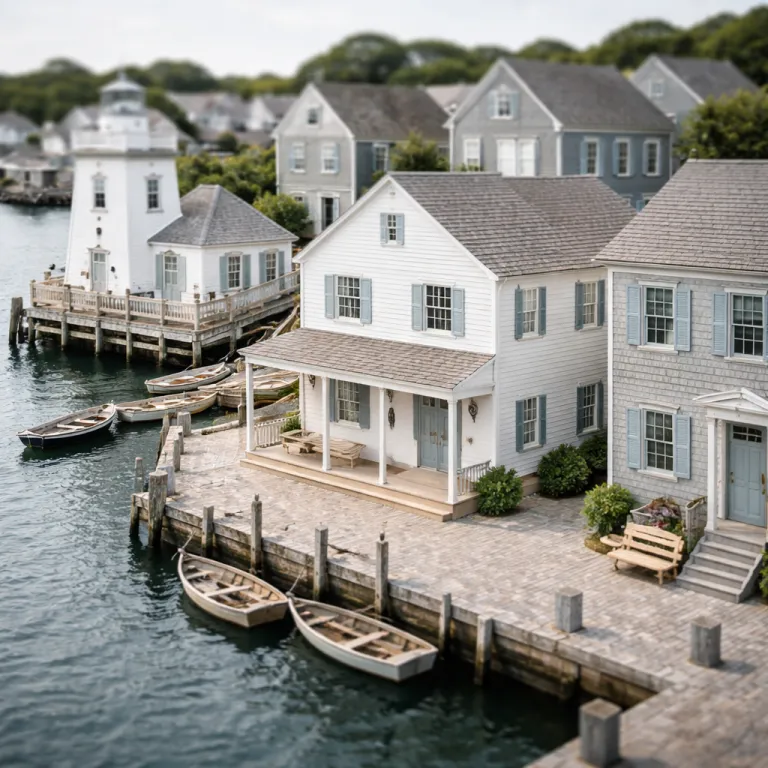
How culture-first travel in the USA reshapes where you stay
Travel in the USA feels different when the hotel is part of the story. When you treat a trip across the United States as a cultural project rather than a checklist, you start choosing properties that sit inside historic districts, music neighborhoods or museum corridors instead of anonymous business parks. That shift turns every stay into a form of cultural heritage travel, where your room key is also an informal passport into the local narrative.
Across the United States, more travellers are planning travel abroad and domestic trips with the same care, weighing travel insurance, border protection rules and even which port of entry best serves a city’s cultural core. They stay informed through official travel advice, then use that general guidance to decide whether a trusted traveler program, a visa waiver program or a traditional visa suits their pattern of travelling for work and leisure. For many, especially those extending business trips, the main content of the journey is no longer the meeting but the neighborhood they will stay in after the last slide deck closes.
Historic Hotels of America now recognizes roughly 300 historic hotels nationwide, with an average age of about 100 years, and that scale matters for culture-first travel in the USA. According to the program’s published membership criteria and overview, these properties, many created through adaptive reuse, turn former train stations, banks and mansions into places where you can stay inside the architecture that once shaped a city’s fortunes. When you choose one of these addresses, you are not just booking a stay; you are buying into preservation, education and a deeper understanding of how the United States tells its own story.
Charleston, Santa Fe and Dallas: heritage districts with serious hotel game
Some cities reward culture-first travel in the USA more than others. Charleston, Santa Fe and Dallas have built dense cultural districts where the best luxury and premium hotels sit within walking distance of galleries, historic homes and serious restaurants, which makes them ideal for travellers who want their stay to feel stitched into the street grid. When you browse a curated guide to finding your luxury hotel in America, you will see these cities appear again and again because they balance heritage, comfort and access.
Charleston’s waterfront is a prime example, where new openings like The Cooper align high-end rooms with the city’s layered maritime and African American history. Here, travel advice is less about a visa or an embassy consulate and more about which cobblestone lane to follow from your port entry at the cruise terminal to a hotel terrace overlooking the harbor. Yet even on a domestic trip, seasoned travellers still check that their travel insurance covers missed flights, lost luggage and any changes to international travel plans that might connect through the States before or after a Caribbean leg to Puerto Rico.
In Santa Fe, Heritage Hotels & Resorts operates properties that lean into regional art, adobe architecture and Native and Hispanic cultural narratives. Their approach shows how adaptive reuse and careful design can turn a stay into a living museum, while still offering the modern comforts that business travellers expect when travelling between meetings. Dallas’ Kimpton Pittman Hotel, set in the Deep Ellum district, continues this pattern by anchoring guests in a music-rich neighborhood where the building’s own history as a community hub adds another layer to culture-first travel in the USA. Similar dynamics play out in places like Savannah’s Historic Landmark District or San Antonio’s River Walk, where restored warehouses and mansions now host guests within walking distance of museums, theaters and long-running restaurants.
Music cities: where the soundtrack shapes your hotel choice
For many travellers, the most memorable travel in the USA begins with a playlist. Nashville, Austin and New Orleans are not just music destinations; they are cities where the right hotel can place you inside the sound rather than on the sidelines. Choosing carefully here means your stay becomes a backstage pass to the neighborhoods that created the songs you stream on the flight in.
In Nashville, staying near Lower Broadway or in the Gulch lets you walk from a polished lobby straight into honky-tonks and songwriter rounds. Business travellers extending a trip often use advice travel checklists to balance late-night sets with early meetings, making sure their travel insurance includes coverage for delayed flights home after a last-minute encore. When you plan this kind of culture-first itinerary in the USA, you also want to stay informed about any customs border or port of entry changes if your route connects to international travel, especially when routing through major hubs with busy CBP officers.
Austin’s best luxury properties near South Congress or downtown plug you into live venues, food trucks and the city’s creative energy, while New Orleans hotels in the French Quarter or the Warehouse District offer quick access to jazz clubs and Creole dining. New openings highlighted in seasonal hotel reports, such as the hotel openings that will define the summer, often focus on these music cities because they show how hospitality can amplify a destination’s cultural rhythm. When you choose a property that commissions local musicians, curates vinyl libraries or hosts lobby performances, you turn a simple stay into a full immersion in the soundscape of travel in the USA. In cities like Memphis or Detroit, where soul, Motown and techno shaped global music, staying in converted recording studios or historic high-rises can add yet another layer to the soundtrack of your trip.
Art-forward stays: beyond a lobby painting
Art has become one of the sharpest lenses for culture-first travel in the USA. The most interesting luxury hotels now act as small institutions, commissioning site-specific works, partnering with nearby museums and offering curator-led tours that rival what you might find in a formal gallery. This shift reflects a broader move in the United States toward hotels embedding themselves in cultural narratives rather than decorating with generic prints.
Across major states, from California to Pennsylvania, you will find properties where the art program is treated as main content rather than afterthought. Some collaborate with the National Trust for Historic Preservation or local historical societies, using exhibitions to explain how a building moved from bank or railway office to hotel through adaptive reuse. Others work with embassy consulate cultural arms or international artists in residence, which adds an international travel dimension even when you never cross a border.
For the traveller, this means your stay can double as an art walk, especially when hotels publish detailed travel advice about nearby galleries, public installations and museum late nights. When you plan this kind of trip, it still pays to carry a valid passport if your schedule might pivot into travel abroad, and to keep travel insurance documents handy in case a delayed return flight forces an extra night. Culture-first travel in the USA thrives on spontaneity, but the most seasoned travellers pair that freedom with practical protection and a clear understanding of how customs border rules will apply if their domestic itinerary suddenly extends overseas.
Historic conversions and heritage districts: sleeping inside the story
One of the strongest trends in culture-first travel in the USA is adaptive reuse, where historic buildings become hotels without losing their soul. From former courthouses in the Midwest to railroad depots in the West, these conversions let you stay inside the very structures that once governed trade, justice or transportation in the United States. The result is a kind of immersive heritage where the staircases, cornices and even the creaking floors become part of your travel diary.
Historic Hotels of America defines a historic hotel as follows: “What defines a historic hotel?” and the answer is “A hotel at least 50 years old with historical significance.” That same organization notes that “Do historic hotels offer modern amenities?” and clarifies that “Many combine historic charm with modern comforts.” Their guidance, summarized here from the program’s public membership criteria and FAQ, underlines why these properties appeal so strongly to business-leisure travellers who want reliable Wi-Fi and good lighting, but also want to feel the weight of time in the lobby.
When you book into these heritage districts, you are also supporting preservation and local economies, because room revenue often helps fund restoration and community programming. Many operators, such as Heritage Hotels & Resorts in New Mexico, work closely with tourism boards and cultural partners to ensure that guests receive thoughtful travel advice about nearby landmarks, walking routes and seasonal events. For travellers who see travel in the USA as a long-term project rather than a one-off vacation, returning to the same restored property year after year becomes a ritual that deepens their connection to a particular neighborhood and its evolving story.
Practical planning: visas, protection and loyalty for culture-first travellers
Even when you focus on domestic culture-first travel in the USA, the practicalities of movement still matter. Many executive travellers weave international travel into their schedules, flying from a meeting in Chicago to a client visit in Toronto or a conference in Europe, then back to a heritage hotel in Boston or Savannah for a restorative weekend. That pattern makes it essential to understand how entry rules, a valid passport and the visa waiver program intersect with your broader travel calendar.
For trips that combine the United States with overseas segments, always check whether you qualify for a visa waiver or need a full visa issued by an embassy consulate, and keep a valid passport with at least six months’ validity. When you pass through a port of entry, CBP officers and the wider protection CBP framework will look for clear documentation, including any waiver program approvals and proof of onward travel. Staying organized here means you can move smoothly through customs border checks, then shift your attention back to the cultural neighborhoods and hotels that motivated the journey in the first place.
Travel insurance is another non-negotiable for frequent travellers, even on routes that feel routine. A strong policy offers protection against delays, medical issues and cancellations, which is especially valuable when you are travelling to attend a specific festival, exhibition opening or performance that anchors your stay. Loyal guests who return to the same culture-rich hotels often become part of a trusted traveler community at the property level, where staff remember preferences, share tailored advice travel notes about new restaurants or exhibits, and quietly ensure that every stay feels less like a transaction and more like coming home.
Where culture-first luxury is heading next
The next wave of culture-first travel in the USA will likely deepen the bond between hotels and their surrounding neighborhoods. We are already seeing properties in places like Palm Beach, where a refined opening such as The Vineta by Oetker Collection, slated to welcome guests in late 2024 according to the brand’s published development timeline at the time of writing, positions itself as both a coastal retreat and a gateway to local architecture, gardens and social history. As more hotels follow this path, travellers will have an easier time choosing stays that align with their own cultural priorities, whether that means mid-century design, Gullah Geechee heritage or contemporary Indigenous art.
For you as a traveller based in the United States, the opportunity is clear. Treat every booking as a vote for the kind of travel ecosystem you want to see, favoring hotels that invest in preservation, commissions and community partnerships over those that simply replicate the same template from state to state. When you do, your own pattern of travelling will start to map a personal atlas of meaning, where each stay adds another layer to your understanding of the country you call home.
Key figures shaping culture-first hotel stays
- Historic Hotels of America currently recognizes around 300 historic hotels across the United States, a scale that gives culture-focused travellers meaningful choice in most major regions (source: Historic Hotels of America, program overview, accessed 2024).
- The average age of these recognized historic hotels is roughly 100 years, which means many properties predate the automobile era and offer direct architectural links to earlier chapters of American history (source: Historic Hotels of America, member hotel data, accessed 2024).
- To qualify as a historic hotel in this program, a property must be at least 50 years old and hold documented historical significance, ensuring that the label reflects genuine heritage rather than marketing spin (source: Historic Hotels of America, membership criteria, accessed 2024).
- Heritage tourism initiatives that include historic hotels have been shown by the National Trust for Historic Preservation to generate higher local economic impact per visitor than standard leisure travel, because guests tend to stay longer and spend more on cultural activities (source: National Trust for Historic Preservation, heritage tourism research summaries, accessed 2024).
- Growing interest in cultural and heritage tourism has encouraged more adaptive reuse projects, where former civic or industrial buildings are converted into hotels, expanding the inventory of character-rich stays without new construction on undeveloped land (source: National Trust for Historic Preservation, adaptive reuse case studies, accessed 2024).
FAQ about culture-first travel in the USA
What defines a historic hotel in the United States?
In the context of culture-first travel in the USA, a historic hotel is generally a property that is at least 50 years old, has documented historical significance and maintains its architectural integrity while offering modern comforts. Programs such as Historic Hotels of America use these criteria to recognize hotels that genuinely contribute to heritage tourism. When you choose one of these properties, you are staying in a building that is part of the national story, not just a themed replica.
Are historic and heritage-focused hotels always more expensive?
Prices at historic hotels vary widely, and while some luxury properties command premium rates, others remain competitive with standard upscale options in the same city. The added value often comes from location, character and access to cultural experiences, which can reduce your need to spend on separate tours or transportation. For business-leisure travellers, the ability to step directly from a meeting into a museum district or music neighborhood can justify a slightly higher nightly rate.
Do historic hotels offer the same amenities as modern properties?
Most heritage-focused hotels in the United States combine period architecture with contemporary essentials such as high-speed internet, quality bedding and well-equipped bathrooms. Some may have smaller rooms or quirky layouts due to preservation rules, but they often compensate with generous public spaces, thoughtful service and curated cultural programming. When you book, review room descriptions carefully and check whether the property has been recently restored to align expectations with reality.
How can I tell if a hotel is genuinely engaged with local culture?
Look for concrete signs such as partnerships with local museums, commissions from regional artists, historically informed design choices and staff who can offer detailed travel advice about nearby cultural sites. Hotels that publish guides to neighborhood history, host talks or tours and collaborate with preservation organizations usually have deeper roots than those that rely on generic décor. Reading independent reviews and checking whether a property belongs to recognized heritage programs can also help you separate marketing language from real commitment.
Is travel insurance necessary for domestic culture-first trips?
Travel insurance is not legally required for domestic travel in the USA, but it can be valuable if your itinerary hinges on specific events such as festivals, exhibition openings or ticketed performances. A good policy can protect you against last-minute cancellations, delays or health issues that might otherwise force you to absorb the full cost of nonrefundable hotel nights. For frequent travellers who blend domestic and international segments, choosing a comprehensive annual plan often provides the best balance of protection and simplicity.