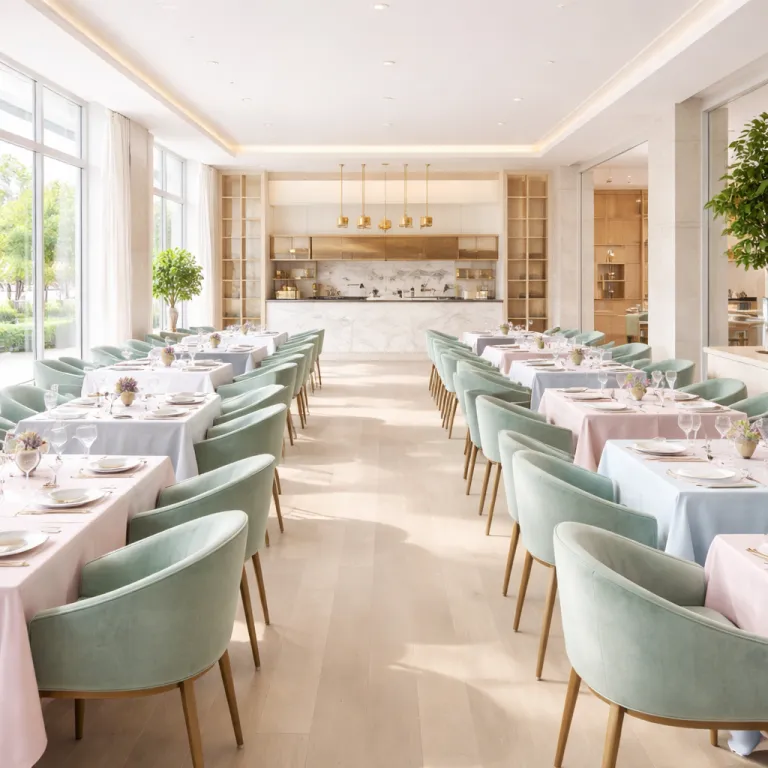
How Luxury Hotel Dining Experiences Now Drive the Stay
When the restaurant makes you book the room
For many American travelers, the luxury hotel dining experience now leads the decision, and the room follows. Business leisure guests compare hotels in New York, Miami, or Orlando by their dining experiences first, then look at square meters and views. A property where the restaurant waitlist is longer than the room list signals that the experience will feel worth the rate.
Across the United States, high end hotels design every lobby as a stage for food and drink, from a discreet coffee bar pouring single origin espresso to a lobby bar shaking a seasonal punch that becomes a local ritual. When you walk through a well curated lobby, you can read the menu energy in the air before you even book a room. That is where a serious Executive Chef, a sharp Maître d’ and a Sommelier with a point of view turn a stay into a story you retell on the next flight.
On many U.S. booking platforms, travelers now filter hotels by restaurant first, then by loyalty program such as Marriott Bonvoy or independent perks. Guests ask whether room dining is handled by the same chef who runs the signature restaurant, and whether the pool bar serves a proper American punch or just sugary cocktails. They also want clarity on the dress code, from code casual at the lobby bar on Fri Sat nights to more formal expectations in the main restaurant where a luxury hotel dining experience can easily reach an average meal cost of 150 USD. A 2022 survey by the American Hotel & Lodging Association (AHLA Hotel Guest Preferences Study, 2022) notes that more than half of guests now consider on property dining a primary factor in choosing where to stay, especially in major U.S. cities.
Celebrity chefs, michelin starred hype and what actually delivers
Celebrity chef partnerships can elevate a luxury hotel dining experience, but they can also feel like a press release in search of a soul. The question for a traveler is simple; does the chef cook here often enough that the dining experiences feel personal, or is the name just a code on the façade. When you book a room because of a famous signature, you deserve more than a market edition of greatest hits.
Take the growing wave of hotels aligning with Michelin starred talent, from New York towers to Florida resorts. A Michelin starred chef can bring technique, but the best hotels insist that the menu reflects local markets, fresh seafood and regional American flavors rather than a copy paste concept. Recent coverage in trade publications such as Hotel Dive (Kimpton Era Midtown, 2023 feature) and the Michelin Guides (USA hotel selection notes, 2022–2023) highlights properties that create an intimate punch room or arts club style salon where the chef hosts small events, turning a standard bar into a cultural hub with tasting menus and curated wine flights.
Names matter, but execution matters more; a partnership with chef John Fraser only works when chef John is present enough that the team cooks with his discipline. When a Ritz Carlton or a Marriott property invites a high profile chef into its restaurant, the Sommelier and Maître d’ must match that ambition in the dining room. For a deeper look at how refined stays meet bold flavors in an urban setting, consider how recent hotel press releases describe “restaurant-first” openings in cities like Baltimore, where a serious bar and restaurant program is positioned as the anchor of the entire city break and is cited as a primary booking driver in internal post-stay surveys.
From farm to table to pool bar : authenticity on the plate
Farm to table has become a default phrase in every luxury hotel dining experience, yet only some hotels treat it as a daily discipline rather than a marketing line. Authentic programs start with long term relationships with local organic farms, artisan bakers and regional fisheries, then build seasonal menus that change as quickly as the market edition of the produce. When an Executive Chef can walk you through which partners supplied tonight’s fresh vegetables and which renowned wineries shaped the pairings, you feel the difference in every course.
Resort hotels in states like Florida now extend that philosophy beyond the main restaurant into every corner of the property, from the pool bar to the coffee bar. A thoughtful pool bar in Orlando might serve a chilled American punch infused with local citrus, while the coffee bar offers plant forward snacks that align with broader wellness focused nutrition trends documented in European Spa Magazine (2022 wellness and nutrition special). Even room dining can echo this approach, with menus that highlight regional specialties rather than anonymous club sandwiches.
Some of the most compelling dining experiences in Florida happen far from the coasts, where hotels partner with nearby farms and host small scale events in the lobby or on the terrace. Guests can book a table for a chef’s table style dinner, then return to their room knowing that the same ingredients shape breakfast the next morning. Industry case studies in wellness and spa publications show that travelers who care as much about wellness as indulgence now treat sustainable sourcing, plant based menu options and immersive dining experiences not as extras, but as the code by which they choose where to stay, a pattern echoed in the Global Wellness Institute’s “Wellness Tourism Economy” report (2018, pp. 40–47).
Business leisure priorities : when F&B drives the booking
For the business leisure executive, the luxury hotel dining experience has become a core part of the trip strategy rather than a late night afterthought. When you extend a board meeting into a long weekend, you want hotels where the restaurant can host clients on Thu night and still feel special when you return with friends on Sat. That means a property with multiple dining experiences, from a serious fine dining room to a relaxed lobby bar and a pool bar with a view.
Many American travelers now start their search on a booking website, scan the photos of the lobby and bar, then immediately visit website pages dedicated to food and beverage before they even check the spa. They look for clear information on dress code, whether the main restaurant expects formal attire or allows a code casual approach, and whether the lobby bar enforces any specific code on busy Fri Sat evenings. They also want to know if they can book a table directly through a website book function or if they must call the Maître d’ to secure a prime slot.
Guest behavior data from the AHLA “Hotel Guest Preferences Study” (2022, pp. 12–15) and STR’s “Global Hotel Study” (2023, executive summary) indicates that travelers who prioritize a strong dining experience also gravitate toward properties with serious pools, spas and wellness programs. A typical example is a coastal resort with an indoor swimming pool complex, a spa and a punch room style bar, where guests can move from a quiet swim to a tasting menu, then up to room dining with a menu curated by the same chef so that the whole stay feels coherent and carefully edited.
The rise of multi concept hotel dining and how to read it
Multi concept food and beverage has become the new normal in American luxury hotels, and it can either feel like a curated arts club or a chaotic food court. The best properties treat each space as a distinct edition of the same story, from a lilac toned lounge off the lobby to a punch room hidden behind the bar. When every venue shares a culinary philosophy but offers a different mood, guests can shape their own dining experiences across a stay.
Consider a modern Marriott or Ritz Carlton property aligned with Marriott Bonvoy, where you might find a lobby bar pouring low proof American punch, a rooftop restaurant serving fine dining tasting menus and a casual coffee bar for early flights. On busy Fri Sat nights, the lobby becomes a social hub, while the pool bar hosts small events that feel more like a private arts club than a resort activity. Guests can book a room knowing that they will not run out of options, whether they want to book a table for a long dinner or grab something fresh and light between meetings.
In cities like Orlando and across Florida, some hotels even create a dedicated punch room or lilac colored salon where the Sommelier leads intimate tastings with Michelin starred guest chefs. Digital reservation systems now make it easy to website book every venue, from the main restaurant to room dining, and to adjust for dietary needs in advance. As one internal guideline for high end service puts it, “Reserve in advance. Dress code: formal attire. Inform staff of dietary restrictions.” For guests, that level of structure is often the clearest sign that the food and beverage program is being run with true fine dining discipline.
Key statistics on luxury hotel dining performance
- Average spend for a top tier luxury hotel dining experience in major American cities often aligns with an average meal cost of around 150 USD per person for a full tasting menu with pairings, according to figures cited in the National Restaurant Association’s “State of the Restaurant Industry” report (2023, pp. 52–54) and STR’s “Hotel F&B Performance Barometer” (2022, pp. 8–9).
- Guest satisfaction scores for hotels that prioritize culinary programs can reach or exceed a 90 % satisfaction rate in internal brand surveys, significantly higher than properties where food and beverage remain secondary, as summarized in J.D. Power’s “North America Hotel Guest Satisfaction Index Study” (2023, luxury segment overview).
- Properties that integrate sustainable sourcing, plant based options and immersive dining experiences report stronger guest loyalty and more positive reviews over the long term in benchmarking data shared by hospitality research firms and aggregated in the Global Wellness Institute’s “Wellness Hospitality” briefing paper (2020, pp. 18–23).
Essential questions about luxury hotel dining
What is the dress code in most luxury hotel restaurants ?
High end hotel restaurants in the United States typically expect smart attire, with many fine dining rooms leaning toward formal clothing in the evening. More relaxed venues within the same property, such as a lobby bar or pool bar, may follow a code casual approach, especially during daytime or Fri Sat afternoons. Always check the hotel website or call ahead, because some special events or chef’s table experiences require stricter dress standards.
Are reservations necessary for a luxury hotel dining experience ?
Reservations are strongly recommended, particularly in hotels where the restaurant books out before the rooms do. Signature venues, Michelin starred partnerships and intimate punch room concepts often operate with limited seating, so it is wise to reserve in advance when you book your room. Many properties now allow you to website book both accommodation and dining in a single flow, or to book a table through the concierge once your stay is confirmed.
Do luxury hotel restaurants accommodate dietary restrictions ?
Most serious hotel kitchens are well prepared to handle dietary restrictions, from allergies to plant based preferences. The key is to inform staff of dietary restrictions when you reserve, so the Executive Chef and Maître d’ can plan appropriate menu adjustments. Properties that emphasize farm to table sourcing and fresh ingredients often excel at creating tailored dishes without compromising the overall dining experience.
How can I tell if a hotel’s food and beverage program is worth the premium rate ?
Look for signs of depth rather than just big names, such as seasonal menus, clear sourcing information and multiple venues that each feel intentional. Reviews that mention the Sommelier, specific dishes and attentive room dining service usually indicate a well run operation. When a hotel’s restaurant, lobby bar and coffee bar all feel aligned in quality, the premium you pay for the stay is more likely to translate into memorable dining experiences.
Is it better to stay loyal to one brand for dining benefits ?
Loyalty programs like Marriott Bonvoy can offer valuable perks such as priority reservations, welcome drinks at the lobby bar or bonus points on dining spend. However, some of the most characterful luxury hotel dining experiences come from independent properties that focus obsessively on local flavor and service. A balanced strategy works well; use loyalty benefits in cities where big brands dominate, and be willing to step outside the network when a standout restaurant makes a particular hotel the clear choice.
Further reading from trusted sources
- Hotel Dive – coverage of new hotel openings and food and beverage concepts, including Kimpton Era Midtown and Bar Rocco by Rocco DiSpirito (Hotel Dive, 2023 feature coverage).
- European Spa Magazine – analysis of wellness and nutrition trends such as organic, plant forward menus in hospitality (European Spa Magazine, 2022 wellness and nutrition special issue).
- Global Wellness Institute – research on wellness tourism, sustainable hospitality and guest expectations around food and beverage (Global Wellness Institute, “Wellness Tourism Economy,” 2018 report).