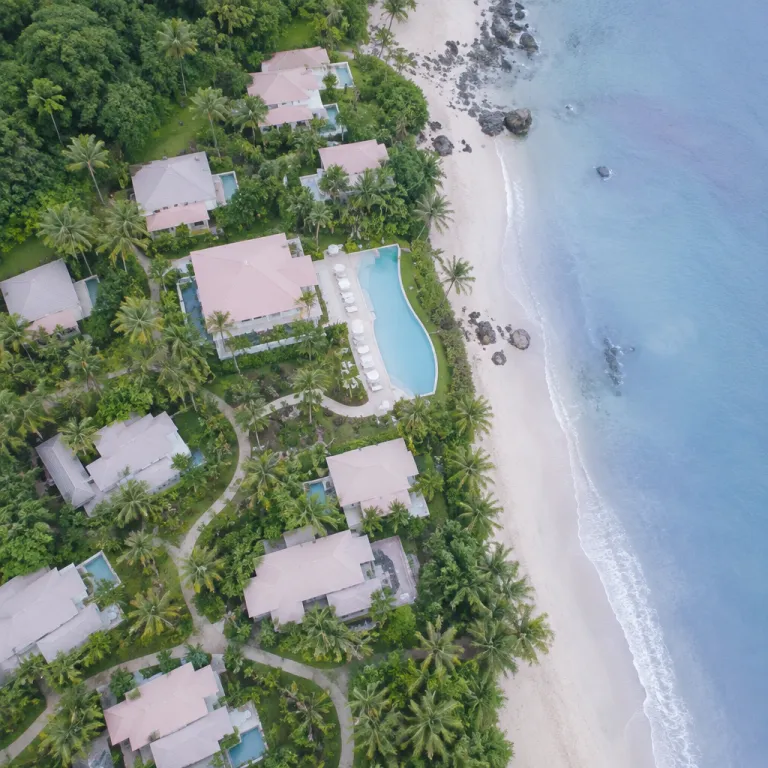
Why beach resorts in Costa Rica suit United States luxury travelers
Beach resorts in Costa Rica offer a rare mix of polished comfort and wild nature. For visitors used to streamlined hotel booking platforms in the United States, this balance makes it easy to compare each coastal property while still feeling close to the rainforest and the Pacific. With about 801 miles (1,290 kilometres) of combined Caribbean and Pacific shoreline, according to Costa Rica tourism summaries, the country gives you a wide choice of beaches, climates, and resort styles in a compact area.1
On most luxury hotel websites, Costa Rica appears grouped by the Pacific coast, the Nicoya Peninsula, and the central Pacific area around Manuel Antonio. This structure helps you check which resorts sit on calm white sand, which hotels front surf-friendly beaches, and which inclusive properties hide in quieter coves. Costa Rica’s tourism authorities regulate resort permits and environmental impact, so high-end beachfront developments must respect strict coastal zoning and national park rules that limit building height, distance from the high-tide line, and density.2
When you compare Costa Rica beach resorts with Caribbean or Mexico stays, the main difference is how close the jungle comes to the sand. Many oceanfront hotels sit within 30 to 60 minutes of a national park, so guests can enjoy wildlife in the morning and a refined resort spa in the afternoon. If you value sustainability, look for eco certifications on the booking page and check how each resort handles water use, energy efficiency, and beach conservation, including turtle nesting protection and reef-safe sunscreen policies.
Choosing the right Pacific coast region for your stay
The Pacific coast concentrates most of the luxury beach resorts Costa Rica offers, especially in Guanacaste and the Papagayo resort area. Travelers from the United States who want reliable sunshine often favour this side, because the dry season from December to April usually brings clear skies and calm seas. When you compare properties online, filter by region first, then by style of resort spa and beach setting, so you do not waste time on hotels far from your preferred stretches of sand.
Guanacaste resort choices range from large inclusive hotels to intimate hideaways with fewer rooms but higher service ratios. Names you will often see on United States booking engines include the Westin Reserva Conchal, the Marriott Guanacaste, and the relaxed Margaritaville Beach Resort Playa Flamingo. These hotels sit on or near white-sand stretches that many repeat guests quietly call the best beach pockets on this coast, especially for families who want gentle waves and easy access to restaurants, beach clubs, and basic shops.
Farther south, the Manuel Antonio area blends rainforest, cliffs, and small coves, and it works well if you want both a beach resort and quick access to a national park. Official tourism guidance often notes that Pacific beaches such as Manuel Antonio, Sámara, and Conchal tend to have gentler waves than many Caribbean stretches, which helps swimmers and new surfers choose their base.3 If you enjoy comparing high-end inclusive resorts across destinations, you can also look at refined all-inclusive stays in Los Cabos for discerning United States travelers on a separate tab while you shortlist your preferred Costa Rica hotels and note which ones match your budget and travel dates.
Signature resorts and what they offer discerning guests
Several flagship Costa Rica beach resorts appear repeatedly in guest reviews and expert rankings. In the north, the Papagayo resort enclave hosts some of the country’s most exclusive hotels, with sweeping views over the Pacific and fast transfers of around 30 to 45 minutes from Liberia International Airport. Many visitors from the United States appreciate that these properties offer semi-inclusive options covering breakfast, selected activities, and access to a full-service spa, while still allowing flexibility to enjoy off-site restaurants and private excursions.
Along the same coastline, the Marriott Guanacaste and the Westin Reserva Conchal anchor a cluster of Guanacaste resort choices that suit both couples and families. Reserva Conchal is known for its white-sand bay, golf course, and generous rooms, while the Westin focuses on an inclusive model with multiple restaurants and pools. Nearby, the laid-back Margaritaville Beach property appeals to guests who want a casual Costa Rica beach atmosphere but still expect a polished hotel experience, reliable service standards, and organised activities for children and teens.
On the central Pacific, the Tamarindo area offers a different mood, with surf culture, lively nightlife, and easy access to the well-known Tamarindo Diria hotel on the main beach. This stretch may not always be the best beach for quiet sunbathing, yet many travelers enjoy the energy and the chance to mix a resort stay with sailing, surf lessons, and sunset dining. As one repeat visitor from California put it, “Tamarindo felt like the sweet spot between a classic Costa Rica beach town and a modern resort hub—mornings in the waves, evenings at smart restaurants, and our hotel right in the middle of it all.” If you like to compare coastal escapes across Latin America, you might also review elegant escapes at Puerto Vallarta inclusive resorts for discerning United States travelers while you refine your Costa Rica short list and sketch a sample week-long itinerary.
Comparing inclusive resorts and à la carte luxury stays
When you search beach resorts Costa Rica on a United States booking website, you will notice a clear split between inclusive resorts and à la carte hotels. Inclusive options such as the Westin Reserva Conchal or some Papagayo resort properties bundle meals, selected drinks, and activities, which simplifies budgeting for guests flying in from the United States. These choices work especially well for families or groups who want predictable costs and do not plan to leave the beach area often, beyond a few pre-arranged excursions.
À la carte luxury hotels, by contrast, usually focus on larger rooms, personalised service, and curated restaurants rather than full inclusive packages. A Guanacaste resort of this type might offer a refined spa, private plunge pools, and guided excursions to nearby beaches or a national park, all priced separately. This model suits travelers who enjoy exploring local restaurants, renting a car to check different beaches along the Pacific coast, and tailoring each day rather than following a fixed schedule or set activity program.
Guests used to premium hotel booking platforms in the United States can filter by board basis, then compare nightly rates with and without inclusive elements. When you evaluate each beach resort, look beyond the base price and consider transfer costs, spa rates, and the distance to off-site dining options. If you plan to enjoy several excursions, an à la carte hotel near a town like Tamarindo or Manuel Antonio may offer better overall value than a remote inclusive resort that requires long drives for every activity and higher transport fees.
Practical booking tips from the United States
Booking Costa Rica beach resorts from the United States is straightforward if you approach it with the same discipline you would use for any luxury trip. Start by choosing your coast and area, then check flight schedules into Liberia for Guanacaste resort zones or San José for Manuel Antonio and the central Pacific. Once flights are set, use filters on your preferred hotel website to narrow resorts by beach access, spa facilities, and room size, then compare a few shortlisted options side by side.
Car rental can be useful in Guanacaste and the Nicoya Peninsula, especially if you want to enjoy several beaches rather than stay at a single oceanfront resort. Many travelers from the United States book a primary hotel such as the Marriott Guanacaste, then add a few nights at a smaller property near a national park to balance relaxation and exploration. When you compare options, read recent guest reviews carefully, paying attention to comments about beach cleanliness, restaurants, and how inclusive the advertised packages really feel in practice once service charges and premium drinks are added.
For timing, the dry season on the Pacific coast usually brings the most reliable sunshine, though shoulder months can offer better rates at top properties. If you are flexible, consider midweek arrivals, which often mean quieter beaches and more attentive spa appointments for guests. For broader trip planning inspiration, you can also look at guidance on timing a luxury stay from the United States to other coastal destinations, then apply the same logic to your Costa Rica itinerary, adjusting for local holidays and school breaks.
How to match Costa Rica regions with your travel style
Each major region of Costa Rica beach resorts caters to a different type of visitor from the United States. The Papagayo resort enclave and nearby Guanacaste resort strip suit guests who want polished hotels, calm white sand, and easy airport access. Tamarindo and its surroundings appeal to travelers who enjoy a lively beach, surf schools, and a wide range of restaurants within walking distance of their hotel.
Farther south, the Manuel Antonio area works best for travelers who want a close link between a beach resort and a national park experience. Here, many hotels perch on hillsides above the Pacific, with shuttle services down to the beaches and guided wildlife walks in the forest. This region is ideal if you want to enjoy both spa comforts and the chance to see monkeys, sloths, and tropical birds within a short drive of your rooms, often on half-day tours that fit easily around pool time.
If you prioritise seclusion, look at smaller properties on less developed stretches of the Pacific coast, where beaches remain quieter and nights feel darker and more star filled. These hotels may not offer fully inclusive packages, but they often compensate with attentive service, creative restaurants, and tailored excursions such as private boat trips or guided night walks. Whatever your style, always check how each Costa Rica beach resort manages environmental impact, because responsible operations help keep the country’s beaches and marine life healthy for future guests and support local communities.
Key statistics for Costa Rica beach resort planning
- Costa Rica offers about 801 miles (1,290 kilometres) of combined Caribbean and Pacific coastline, based on aggregated figures from national tourism and geographic references, giving travelers an unusually high number of beaches within a compact country.1
- Independent review platforms frequently rate many of the best all-inclusive resorts in Costa Rica between 4.5 and 4.8 out of 5 for overall guest satisfaction, reflecting strong performance on food quality, activity range, and value for travelers who prefer bundled stays.4
- The Pacific coast hosts the majority of luxury and inclusive resorts, while the Caribbean side remains more rustic and nature focused, so visitors from the United States seeking polished hotels usually favour the Pacific.2
- Official safety notes highlight that calmer swimming conditions are more common on selected Pacific beaches such as Manuel Antonio and Conchal, while parts of the Caribbean can see rougher surf, which matters for families with children and less confident swimmers.3
FAQ about Costa Rica beach resorts for United States travelers
Which coast of Costa Rica is better for a first luxury beach trip ?
For a first visit focused on comfort and ease, the Pacific coast is usually the best choice. Guanacaste resort areas and the Papagayo resort enclave offer many high-end hotels, shorter transfers from Liberia airport, and calm beaches suitable for most swimmers. The Caribbean side is beautiful but has fewer luxury resorts and more variable sea conditions, so it often suits repeat visitors who prioritise a wilder feel over polished amenities.
Are there many inclusive resorts in Costa Rica ?
Most inclusive resorts in Costa Rica sit along the Pacific coast, especially in Guanacaste and Papagayo. Properties such as the Westin Reserva Conchal and some Marriott Guanacaste packages offer meals, drinks, and activities in a single rate. If you want this style, filter specifically for inclusive options when you search beach resorts Costa Rica on your preferred United States booking website, then compare what each package actually includes.
Which region is best for combining beaches with wildlife watching ?
The Manuel Antonio area is one of the best choices for combining a beach resort stay with easy access to a national park. Many hotels sit within a short drive of park entrances, where guided walks reveal monkeys, sloths, and tropical birds. Travelers with more time can also add nights near the Osa Peninsula, which is renowned for dense rainforest and marine life and works well as a second stop after a Guanacaste or Papagayo beach stay.
Do I need a rental car to enjoy Costa Rica’s beach resorts ?
A rental car is not essential, but it can greatly increase flexibility, especially in Guanacaste and the Nicoya Peninsula. If you plan to check several beaches, dine at different restaurants, or split your stay between multiple hotels, driving yourself often proves more efficient than relying on taxis. For a single resort spa stay in Papagayo or Manuel Antonio, private transfers arranged through your hotel may be sufficient and can feel more relaxing after a long flight.
When is the best time to visit Costa Rica’s Pacific beach resorts ?
The dry season from December to April usually offers the most reliable sunshine on the Pacific coast, which suits travelers who prioritise beach time and clear skies. Shoulder months can bring brief showers but often deliver better rates and fewer crowds at top properties. For the Caribbean side, patterns differ, with many experts pointing to February to March and September to October as favourable periods, especially for travelers who do not mind occasional rain.
Notes and sources: 1 Coastline length based on aggregated figures from Costa Rica tourism and geographic references; exact measurements vary slightly by source. 2 Resort regulation and zoning informed by Costa Rican coastal and national park protection laws as summarised by national tourism authorities. 3 Sea-condition guidance derived from typical safety notes and beach descriptions published by Costa Rica’s tourism bodies and lifeguard programs; local conditions can change daily. 4 Satisfaction score ranges reflect typical averages reported on major international hotel review platforms rather than a single official “all inclusivity index”.