Discover top hotels across California USA, from coastal icons to wine country retreats, desert escapes and culture-rich city stays, with clear guidance on what to choose.
Coastal icons: where the Pacific shapes the stay
Salt on the air hits you first when you step out of the car along Cabrillo Boulevard in Santa Barbara. The best coastal hotels in California lean into that sensation, framing the Pacific not as a backdrop but as the main performing act. Rooms open to terraces where you hear waves under the low hum of distant traffic, and the lobby often feels like a calm, whitewashed hall between city and sea.
For a traveler based in the United States, this coastline is the clearest answer to whether California is worth crossing the country for. It is. From San Diego’s La Jolla cliffs to the stretch of Highway 1 just north of Malibu, luxury properties tend to favor generous balconies, hot soaking tubs with ocean views, and discreet service that lets the landscape do most of the talking. You come for the water, stay for the light, and remember the way the sun drops behind the horizon at what feels like the right time every evening.
Not every coastal hotel suits the same profile. Some feel like full-scale resorts, with sprawling pools, tennis courts and a constant calendar of live music events in summer, especially around August when the American vacation rhythm peaks. Others keep things quieter, more residential, better for travelers who want to read on the terrace and walk down to a small theater or performing arts hall in town. Before you book, decide whether you want a self-contained resort world or a refined base in a real California city neighborhood.
Urban California: Los Angeles, San Francisco and the art of arrival
Downtown Los Angeles at night looks almost theatrical from a high-floor room. Glass towers, the glow of the Music Center, the faint outline of the Hollywood Hills beyond the 101. Urban hotels in California’s major cities are less about the pool and more about proximity: to rock venues, to performing arts centers, to the kind of restaurants that end up in the New York Times food section months after locals have already claimed them.
In Los Angeles, staying near South Grand Avenue places you within walking distance of the Walt Disney Concert Hall and the city’s main theater district. This is where travelers who care about live music, contemporary art and design-forward interiors tend to book. Rooms are often compact but cleverly planned, with floor-to-ceiling windows and a quiet, insulated calm that contrasts with the energy of the streets below. If you prefer a softer, more residential feel, properties along Sunset Boulevard or in West Hollywood trade skyscraper drama for low-rise intimacy and views toward the hills.
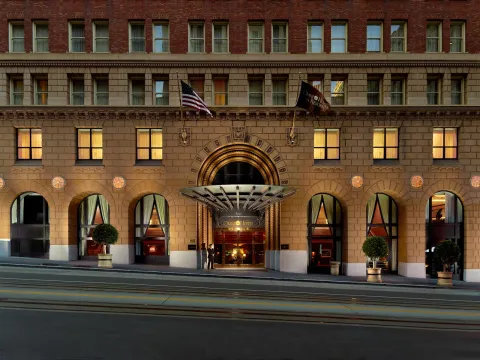
San Francisco tells a different story. Around Union Square and Nob Hill, historic hotels in the United States tradition of grand city properties offer high ceilings, marble lobbies and a sense of American railroad-era glamour. You feel the weight of the state’s history in the wood-paneled bars and old photographs of the California State building boom. These stays suit travelers who like to walk: down Powell Street to the waterfront, up steep blocks to small performing arts venues, or across to the Ferry Building for a late breakfast. When comparing urban options, weigh view versus walkability, and decide whether your ideal night ends in a quiet lounge or a nearby live music club.
Wine country and the quiet luxury of the inland hills
Vineyard rows outside your window change the entire mood of a trip. In Napa Valley and Sonoma, many of the most compelling hotels sit just off Highway 29 or the Silverado Trail, tucked into low California hills that glow gold in late afternoon. These are not city hotels; they are retreats, designed for slow mornings, long tastings and unhurried dinners.
Rooms in this part of the state often open directly onto gardens or small terraces facing vines or oak trees. You might wake to the sound of irrigation sprinklers instead of traffic, and step out onto stone paths that lead to a pool rather than a sidewalk. The atmosphere is more resort than urban, with spa programs, curated wine lists and, in some cases, small amphitheaters or lawns used for seasonal performing arts events and live music. Summer and early autumn, especially around August and September harvest, are the most atmospheric times to stay, though also the busiest.
For a traveler used to East Coast city breaks, the trade-off here is clear. You sacrifice immediate access to big-city theater and rock venues in exchange for space, silence and a direct connection to the land that made California famous. This suits couples, small groups of friends, or solo travelers who want to read, taste and walk rather than rush from event to event. When comparing wine country hotels, look closely at how integrated the property is with its surroundings: some feel like self-contained resorts, others like refined country houses that just happen to sit in one of the most celebrated wine regions in the United States.
Desert escapes and mountain lodges: from Palm Springs to Lake Tahoe
Heat defines the desert experience. Step out of a car on North Palm Canyon Drive in Palm Springs in August and the air feels almost solid, a hot wall that makes the first plunge into a hotel pool unforgettable. Desert hotels in California play with this contrast, pairing shaded courtyards and cool interiors with wide-open views of the San Jacinto Mountains.
Architecture here matters. Many of the most interesting properties lean into mid-century American design, with low-slung buildings, clean lines and a color palette that echoes the surrounding sand and rock. Evenings often center around outdoor lounges where you can watch the sky shift from bright blue to deep violet, sometimes with a small stage set for live music or a DJ. These hotels suit travelers who like a social atmosphere and a strong sense of place, where the resort itself becomes the main event.
Further north, mountain lodges around Lake Tahoe and Mammoth Lakes offer a different kind of drama. Think timber beams, stone fireplaces and views over water or forest rather than city lights. In winter, these properties cater to skiers and snowboarders; in summer, to hikers and families who want to spend time on the lake. The best of them balance rustic materials with refined service, avoiding kitsch while still feeling unmistakably part of the American West. When choosing between desert and mountain, ask yourself whether you want to feel the sun on your skin all day or prefer crisp air, pine trees and the possibility of snow just outside the lobby doors.
College towns, culture hubs and the quieter side of California
Not every memorable stay in California happens in a marquee destination. Some of the most rewarding hotels sit in or near college towns and smaller cities anchored by a state university campus. Places like Davis, San Luis Obispo or Chico offer a slower rhythm, with tree-lined streets, local cafés and a steady calendar of campus performing arts, from theater to classical music.
Staying near a university often means easy access to galleries, lecture halls and small venues where you can catch a student jazz ensemble or a visiting rock band without the intensity of a major city. Hotels in these areas tend to be smaller and more understated, with a focus on comfort, walkability and a sense of belonging to the local community. You might find yourself sharing a breakfast room with visiting academics, parents on campus tours and American travelers using the town as a base to explore the surrounding state parks.
For travelers who have already done Los Angeles and San Francisco, these destinations offer a different way to experience the United States. You see how California lives day to day, outside the spotlight. When comparing options, look at how close the hotel is to the main campus, the downtown theater or music hall, and any local arts association that organizes events. This is where you trade iconic skylines for authenticity, and where a quiet evening walk can be as satisfying as a big-city night out.
Music, myth and the “Hotel California” state of mind
Search for “hotel California United States” and you are not just looking for a room. You are chasing a mood shaped by decades of American rock music, album covers and late-night drives along the Pacific Coast Highway. The phrase itself has become shorthand for a certain California state of mind: open roads, neon signs, palm trees, and the feeling that time stretches differently under this light.
Many hotels across the state play with this mythology without leaning into caricature. You might find a lobby playlist that moves from classic rock to contemporary West Coast artists, a bar program named after local landmarks, or a small live music night in a courtyard that feels more like a neighborhood gathering than a staged event. In some coastal towns, a simple roadside inn on the edge of the city can deliver that cinematic arrival more effectively than a polished resort, especially if it sits near a stretch of beach where locals gather at sunset.
For travelers who care about culture as much as comfort, the best strategy is to look for properties embedded in neighborhoods with a strong creative scene: near a historic theater, a small performing arts center, or a street known for its music venues. Whether you are in Los Angeles, a Central Coast town or a desert city, the most memorable stays tend to be those where the hotel feels like part of a wider story. Not just a place to sleep, but a stand-in corner of California that you carry with you long after checkout.
Is California a good choice for a luxury hotel stay if I already travel often within the United States?
Yes, California remains one of the most compelling states for high-end stays, even if you already travel frequently within the United States. The range is unusually broad: oceanfront resorts, urban towers near major music and theater venues, vineyard retreats in the inland hills, desert design hotels and mountain lodges around alpine lakes. Few other regions combine this diversity of landscapes with such a mature hospitality culture, which makes California a strong choice for repeat domestic trips.
Los Angeles and San Francisco are the strongest options if you want dense cultural programming within walking or short driving distance of your hotel. In Los Angeles, staying near downtown places you close to major theaters, concert halls and contemporary art spaces, while neighborhoods like Hollywood and Silver Lake offer easy access to rock clubs and live music venues. San Francisco concentrates its theaters and music halls around Union Square, the Civic Center and the Mission, making it easy to combine a refined hotel stay with a full cultural calendar.
How should I choose between a coastal resort and an inland wine country hotel in California?
Choose a coastal resort if you want direct access to the Pacific, sea air, and the option to balance pool time with beach walks and waterfront dining. Opt for an inland wine country hotel if you prefer quieter evenings, vineyard views and a focus on food and wine rather than city energy. Coastal stays suit travelers who like movement and variety, while wine country retreats are better for those who value slow mornings, tastings and a more introspective rhythm.
When is the best time of year to book a California hotel for a balanced experience?
Late spring and early autumn generally offer the best balance of weather, atmosphere and crowd levels across most of California. Coastal areas feel pleasantly warm without the peak summer rush, wine country is vibrant without the full harvest crowds, and desert destinations are hot but still manageable. August can be lively, with many events and live performances, but it also brings higher demand, so travelers seeking calm may prefer May, June, September or early October.
What should I verify before booking a California hotel for a culture-focused trip?
Before booking, check how close the hotel is to key venues such as theaters, concert halls, galleries or university performing arts centers, and confirm typical travel times by car or on foot. Look at the surrounding neighborhood to see whether it offers restaurants, bars and local institutions that match your interests, from rock clubs to classical music halls. Finally, review the property’s own programming: some hotels host regular live music nights, art events or collaborations with local cultural associations, which can significantly enrich your stay.