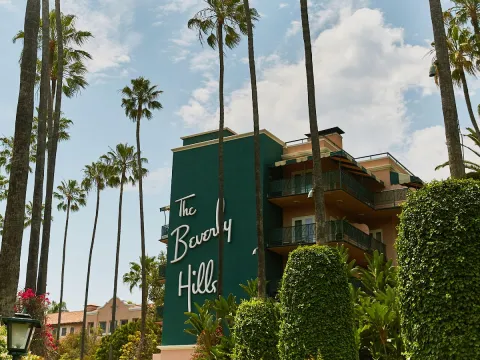
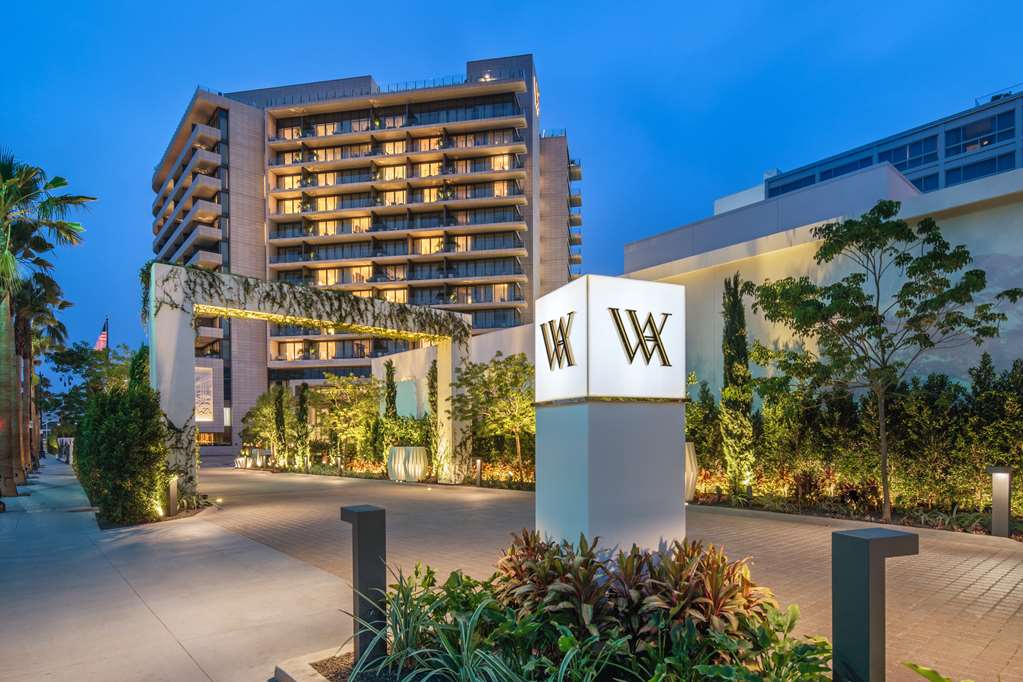
Thinking about a downtown Los Angeles stay? Discover how to choose the best hotel, from rooftop pools and pet-friendly options to districts, access and transit.
Why downtown Los Angeles works for a premium stay
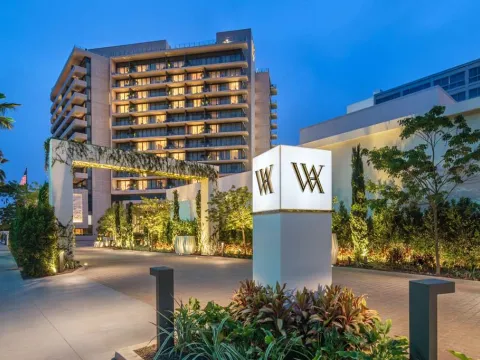
Step out of a car on South Olive Street at dusk and downtown Los Angeles feels almost theatrical. Towers glow, the air is warm late into the evening, and you are a short walk from major venues, galleries, and serious dining. For a traveler based in the United States looking to book a hotel, this part of the city is one of the few places where Los Angeles becomes walkable in a meaningful way.
The core downtown hotel zone stretches roughly between the Financial District around West 7th Street and the Arts District to the east, with the Convention Center anchoring the south. Staying here makes sense if your trip revolves around events, basketball or concerts, or if you want to explore the city by Metro rather than driving everywhere. You can stay downtown, then branch out to Santa Monica, Hollywood, or the east side as day trips.
Compared with coastal neighborhoods, downtown offers denser culture within a few blocks: concert halls, contemporary art spaces, and historic theaters. The trade-off is obvious. You swap ocean breeze and beach paths for skyline views, rooftop pool decks, and late-night energy. For many travelers, especially on shorter stays, that is a fair exchange.
Atmosphere by district: Financial, Historic, and Arts
On weekdays, the Financial District feels like a vertical campus. Glassy towers, polished lobbies, and business travelers moving between meetings. Hotels in this district tend to offer larger rooms, structured service, and easy access to the Metro center at 7th Street / Metro Center station. If you want a calm base with quick directions to meetings and cultural venues, this is the most efficient choice.
Walk east toward Broadway and the mood shifts. The Historic Core and South Park mix pre-war façades with new residential towers, creating a livelier street scene at night. Here you will find more rooftop pool options, buzzy lobbies, and rooms carved out of former office buildings. It suits travelers who enjoy a bit of urban grit with their skyline views, and who like to step out and immediately find a bar or taquería still open.
Farther east, the Arts District has become the city’s laboratory for galleries, coffee bars, and small restaurants. Hotels located near this district are ideal if your stay is about food, design, and walking between murals and converted warehouses. The area feels less corporate, more neighborhood-like, but you will rely more on rideshares or a car to reach the rest of Los Angeles.
Rooms, design, and what to expect inside
Downtown Los Angeles hotels lean into vertical living. Expect rooms that prioritize views: floor-to-ceiling windows, city lights, and, on higher floors, glimpses of the mountains on a clear day. Standard rooms can feel compact compared with sprawling resort properties elsewhere in California, but suites often make up for it with separate living areas and generous corner layouts.
Design language varies sharply by district. In the Financial District, interiors often favor clean lines, muted palettes, and a quiet, residential feel that works for longer stays. South of the Convention Center, you will see more contemporary color, statement art, and open-plan rooms designed for leisure travelers who plan to enjoy the pool deck as much as the city outside.
Historic buildings closer to Broadway and South Olive Street may offer high ceilings, original details, and slightly idiosyncratic room shapes. These spaces can feel atmospheric at night, especially when the city glows outside, but they are not for travelers who insist on a standardized layout. Before you check availability, decide whether you value character or predictability more; downtown can deliver either, but rarely both in the same property.
Rooftop pools, bars, and how to actually enjoy your stay
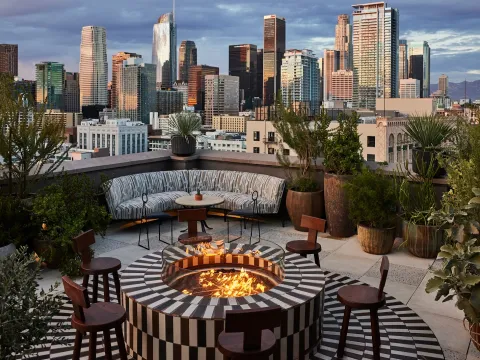
Rooftop culture is where downtown Los Angeles quietly outperforms many coastal neighborhoods. Several premium hotels located downtown build their entire social life around elevated pool decks. Picture a compact pool framed by loungers, skyline silhouettes, and a bar that stays open well into the evening. You come here less to swim laps, more to float, read, and watch the city shift from gold to neon.
Not every downtown hotel has a pool, and among those that do, the experience varies. Some decks feel like private clubs, with controlled access and a calm, almost residential atmosphere. Others lean into a livelier scene, with music, shared tables, and a crowd that blends guests with locals. If the pool is central to your stay, check how the hotel describes access, hours, and whether outside visitors are allowed.
Bars and restaurants follow the same pattern. Properties near the Convention Center often prioritize pre-event dining and quick service, ideal if you are heading to a game or conference. Hotels closer to the Arts District may offer more chef-driven concepts, where you might linger over dinner before walking back through quiet streets. Decide whether you want your evenings to revolve around the hotel itself or the surrounding blocks; downtown can accommodate both styles.
Access, parking, and moving around Los Angeles
Arriving by car, your first real decision is parking. Many downtown hotels rely on valet parking only, especially along narrower streets like South Olive or in the denser Financial District. It is convenient in a city built around driving, but it also means you will interact with the valet team every time you leave. If you prefer more independence, look for properties that offer self-parking in an attached structure.
For travelers used to coastal Los Angeles, the surprise downtown is how practical public transit can be. The 7th Street / Metro Center station connects several lines, making it realistic to ride the train to Hollywood, Universal City, or even transfer toward Santa Monica. From a downtown hotel, you can structure a stay where you drive only for specific outings, then rely on rideshares or Metro for the rest.
Walking distances matter here. From many hotels located downtown, you are within roughly 10–15 minutes on foot of the Convention Center, the major sports arena, and key cultural venues. If you expect to move between meetings, dinners, and events without constantly calling a car, prioritize a property in the central grid between South Figueroa Street and South Olive Street. That rectangle is the practical heart of Angeles downtown for visitors.
Pet-friendly options, guest profile, and who downtown suits best
Traveling with a dog, you will find that several downtown Los Angeles hotels position themselves as pet friendly, though policies differ. Some allow pets only up to a certain weight, others limit them to specific floors, and a few offer small perks such as beds or bowls. The real consideration is outdoor space. If you stay downtown with a pet, look for proximity to green pockets like Grand Hope Park or the lawns near the civic center.
The typical guest profile shifts by micro-neighborhood. Near the Financial District and major office towers, you will see business travelers, conference attendees, and domestic guests on short work trips. Around the Arts District and the southern edge of downtown, the crowd skews younger, more leisure-focused, often pairing a Los Angeles stay with a road trip down the coast or a few days in Santa Monica.
Downtown works best for travelers who want an urban experience first and a traditional California resort feel second. If your ideal trip is sunrise runs on the beach and quiet evenings, you may be happier on the Westside. If you want to enjoy galleries, serious dining, and the sense of being in the center of a large American city, a downtown hotel is the right call.
How to choose the right downtown Los Angeles hotel
Start with your anchor. If your trip revolves around the Convention Center or a nearby arena, choose a hotel located within a short walk south of the main downtown grid. You will appreciate being able to return to your room between sessions or after a late game without dealing with traffic. For culture-heavy stays, properties closer to the Historic Core and Arts District reduce your transit time to galleries and theaters.
Next, decide how much the hotel itself should shape your stay. Some downtown hotels are essentially vertical resorts, with pool decks, multiple dining options, and lobbies designed for lingering. Others function more as refined bases: comfortable rooms, efficient service, and easy access to the rest of Los Angeles. Neither approach is inherently better; it depends whether you want to enjoy the hotel as a destination or treat it as a well-run backdrop.
Finally, consider practical details that rarely appear in glossy photos. Look at room sizes and configurations if you are traveling with family or sharing with friends. Check whether valet parking is the only option, how far you will walk to the nearest Metro station, and what the immediate streets feel like at night. A thoughtful match between your habits and the property’s character is what turns a downtown Los Angeles stay from merely convenient into quietly memorable.
Is downtown Los Angeles a good area to stay in?
Downtown Los Angeles is a strong choice if you want an urban, walkable base with easy access to cultural venues, arenas, and the Convention Center. It suits travelers who value skyline views, rooftop pools, and serious dining more than proximity to the beach. For a first-time visitor focused on events, food, and architecture, staying downtown offers a concentrated, efficient way to experience the city.
What is the best area of downtown Los Angeles for first-time visitors?
For most first-time visitors, the central band between the Financial District and South Park works best. This area places you within walking distance of major venues, Metro connections, and a wide range of restaurants. It also offers the greatest concentration of premium hotels, making it easier to compare room types, amenities, and overall atmosphere before you book.
How far is downtown Los Angeles from the beach?
Downtown Los Angeles sits roughly 20–25 km inland from coastal areas such as Santa Monica. By car, the drive can take about 30–45 minutes depending on traffic, longer at peak times. This makes downtown more suitable as a cultural and business base, with beach visits planned as half-day or full-day excursions rather than spontaneous walks.
Are downtown Los Angeles hotels suitable for families?
Many downtown Los Angeles hotels can work well for families, especially those offering larger rooms or suites and easy access to the Metro. The area is convenient for visiting museums, sports events, and attractions across the city. Families who prioritize playgrounds and beach time, however, may prefer a coastal neighborhood and treat downtown as a day trip.
Is it easy to get around Los Angeles from a downtown hotel?
Staying in a downtown hotel gives you some of the best transit access in the city, with major Metro lines converging at 7th Street / Metro Center and numerous bus routes nearby. Rideshares are widely available, and freeway access is straightforward for trips farther afield. This central position makes downtown an efficient launch point for exploring multiple neighborhoods in a single stay.
Sources: Los Angeles Tourism & Convention Board, Metro Los Angeles, City of Los Angeles Planning Department.