Discover what it’s really like to stay in downtown San Francisco, including the best hotel areas, 10 standout properties, transit access, parking costs, and how to choose the right Union Square, Financial District, or SoMa hotel for your trip.
Why downtown San Francisco works so well for a hotel stay
Step out of a hotel in downtown San Francisco and you are usually within a five-minute walk of something essential: a cable car line, a good espresso, or a taxi queue on Market Street. For a traveler based in the United States, this is the city’s most practical base, especially if you are here for a long weekend or a quick business trip. The location concentrates transport, dining, and culture in a compact grid that rewards walking.
Union Square anchors most hotels downtown. From this square, you can reach the Financial District in about 10 minutes on foot, the San Francisco Embarcadero in roughly 15 minutes, and the Yerba Buena cultural cluster just across Market Street. Guests who like to check several neighborhoods off their list in one day will find this central position efficient, if not always quiet. The trade-off is clear: you gain access and lose a bit of serenity.
For many travelers, a hotel located in this core is less about views of the bay and more about frictionless logistics. You can land at SFO, ride BART directly to Powell Street on the Yellow or Red line in around 30 minutes, and be in your room with a single short walk, luggage rolling over the bricks of Cyril Magnin Street. If you plan to rely on rideshares or public transit rather than a rental car, downtown San Francisco is the most forgiving choice.
Some of the best-known downtown San Francisco hotels for this kind of stay include:
- Grand Hyatt San Francisco (Union Square) – High-rise views and easy access to Powell Street BART and cable cars.
- Westin St. Francis (Union Square) – Historic landmark hotel right on the square, ideal for first-time visitors.
- Palace Hotel (Financial District) – Classic San Francisco luxury with a grand glass-roofed lobby and quick walk to the Embarcadero.
- Hyatt Regency San Francisco (Embarcadero) – Waterfront-adjacent tower with fast access to ferries and the California Street cable car.
Types of downtown San Francisco hotels and who they suit
Not all San Francisco hotels downtown feel the same once you step past the revolving doors. Some properties lean into grand, historic architecture with high ceilings, marble floors, and a lobby that feels like a railway-era waiting hall. Others are contemporary towers with clean lines, large windows, and rooms designed around efficiency rather than drama. Knowing which atmosphere you prefer matters more here than in many American cities, because the contrast is sharp.
Luxury hotels in downtown San Francisco typically cluster between Union Square and the Financial District. These are the places where guests expect a full suite of amenities: a staffed front desk at all hours, a serious bar program, a fitness space with proper equipment, and thoughtful in-room details. If you are in town for a milestone trip or a demanding work schedule, this tier offers the most controlled environment. You trade a bit of local quirk for predictability and service depth.
Mid- to upper-upscale hotels downtown often sit a block or two off the main square, on streets like Post, Sutter, or Geary. They can be a smart choice if you want a refined room and good hotel features without the full formality of a grand San Francisco hotel. These properties tend to attract a mix of leisure and business travelers, so the lobby might feel less theatrical and more like a comfortable living room where people answer emails before heading out to dinner.
Representative options across these tiers include:
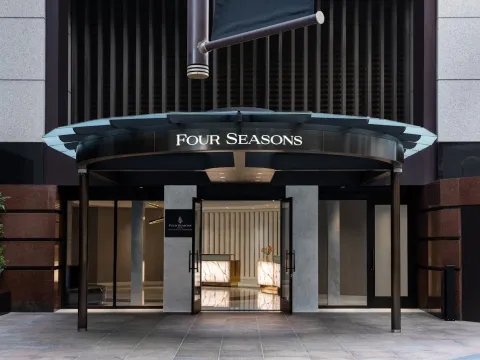
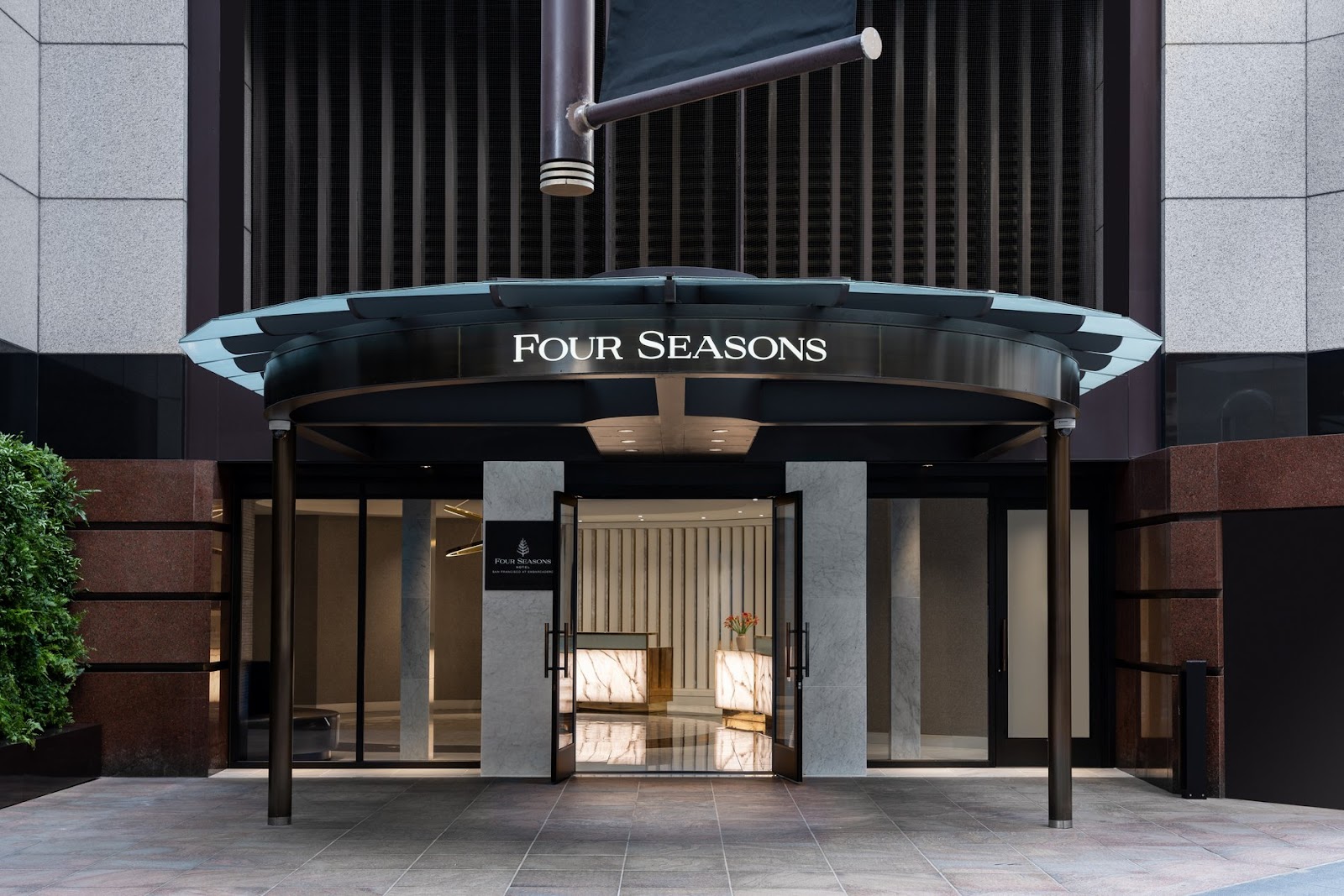
- Four Seasons Hotel San Francisco (SoMa/Yerba Buena) – Luxury choice with strong wellness facilities and direct access to cultural venues.
- Hotel Nikko San Francisco (Union Square) – Upscale, Japanese-influenced property with a well-regarded indoor pool and pet-friendly policies.
- Hilton San Francisco Union Square – Large convention-oriented hotel with extensive meeting space and a wide range of room types.
- Hotel Zelos San Francisco (SoMa edge) – Stylish boutique option near Market Street, popular with design-conscious travelers.
Rooms, amenities, and what to check before you book
Room size in a hotel downtown San Francisco can surprise first-time visitors. Many historic buildings near Union Square were not designed with today’s expectations of sprawling suites, so standard rooms may feel compact, especially in older properties. If you value space, look closely at square-foot or square-meter listings and consider upgrading to a corner room or junior suite, where layouts often gain extra windows and a small seating area. In newer towers closer to the Financial District, rooms tend to be more standardized and slightly larger.
Before you confirm, check how the hotel describes its amenities in detail. Some San Francisco hotels emphasize wellness, with well-equipped gyms, saunas, or access to nearby fitness clubs. Others focus on dining, offering a serious restaurant, a lobby bar with a proper cocktail list, or a café that opens early enough for East Coast guests still on home time. If you care about a quiet night, ask yourself where the bar sits in relation to your potential room; a top-floor lounge can mean late-night noise above you.
Pet-friendly policies vary widely downtown. Certain hotels San Francisco welcome dogs with designated floors, beds, and bowls, while others restrict animals to specific room types or charge notable cleaning fees. Parking is another key detail. A so-called park hotel experience in this dense area usually means valet service in a nearby garage rather than an on-site lot, and daily rates commonly range from about $60 to over $80 plus tax. For many guests, it is easier to skip the car entirely and rely on transit, taxis, and walking.
When comparing downtown San Francisco hotels, it helps to scan for:
- Essential amenities – Wi‑Fi fees, fitness center hours, in-room coffee, and workspace quality.
- Noise factors – Proximity to bars, cable car lines, and major intersections like Powell and Market.
- Transit access – Walking time to BART stations such as Powell Street or Montgomery Street.
Location trade-offs: Union Square, Financial District, and the Embarcadero
Staying directly on or just off Union Square puts you in the most popular downtown San Francisco zone for visitors. You step outside into a dense mix of retail, theaters, and restaurants, with cable cars clanging along Powell Street and Geary Street. This is ideal if you want to shop, catch a show, and still be close to your room. The compromise: streets can feel busy late into the evening, and the atmosphere is distinctly urban rather than neighborhood-like.
Hotels located in the Financial District shift the mood. Here, glass towers and narrower streets create a more businesslike backdrop, especially on weekdays. For guests with meetings in office towers or at the nearby courthouses, this area minimizes commute time. It also places you closer to the San Francisco Embarcadero, where you can walk along the waterfront, watch ferries at the Ferry Building, or head toward the Bay Bridge views near the base of Market Street. Evenings can feel quieter here, particularly on weekends.
A third option sits between these two poles: properties near the edge of SoMa and Yerba Buena, roughly around 3rd and Mission Streets. This location works well if your trip revolves around museums, convention events, or dining in newer restaurants south of Market. You are still within a short walk of Union Square and a quick ride to the Embarcadero, but the streets feel slightly more spacious, with a mix of cultural venues and residential towers softening the strictly commercial feel.
In simple terms, the main downtown San Francisco hotel areas break down as:
- Union Square – Lively, central, best for shopping, theater, and first-time visitors.
- Financial District – Business-focused, quieter at night, close to the Embarcadero waterfront.
- SoMa/Yerba Buena – Cultural hub near museums and the convention center, with newer dining options.
Dining, bars, and the feel of downtown nights
Evening in downtown San Francisco is defined less by a single landmark and more by a series of small rituals. Guests drift from hotel bars to nearby restaurants on Post or O’Farrell Street, then back to a quiet corner of the lobby for a final drink. If on-site dining matters to you, look for hotel features that highlight a serious kitchen rather than a token café. Some properties host restaurants that draw locals as much as travelers, which is usually a good sign.
Union Square and its surrounding blocks offer a dense concentration of dining options, from classic steakhouses to contemporary Californian menus. A centrally located hotel here lets you walk to dinner and back without thinking about transport, a small but real luxury after a long day of meetings or sightseeing. In the Financial District, weekday lunches can be excellent thanks to the office crowd, while dinners lean quieter, with a few standout spots tucked into side streets leading toward the Embarcadero.
For guests who prefer a more low-key evening, consider how far your hotel sits from busier nightlife corridors. A property a couple of blocks off the main square can feel noticeably calmer once the shops close. If you like to turn in early, request a room on a higher floor facing an inner court or side street rather than a main avenue. The difference in street noise between a 4th-floor room on Powell Street and a 15th-floor room facing an internal courtyard can be dramatic.
When you evaluate downtown San Francisco hotels for nightlife and dining, think about:
- On-site options – Whether the bar and restaurant are destinations or simple conveniences.
- Walkable choices – How many dinner spots and cafés sit within a five- to ten-minute walk.
- Nighttime atmosphere – Whether you prefer a buzzy lobby scene or a quieter, more residential feel.
Who downtown San Francisco hotels are best for
Travelers who value efficiency over romance will get the most from a hotel San Francisco downtown stay. If your trip is built around meetings, shopping, or a packed itinerary of museums and shows, the central grid around Union Square and the Financial District keeps everything within easy reach. You can move from a morning coffee near Maiden Lane to an afternoon at the San Francisco Museum of Modern Art and an evening performance, all without leaving a compact radius.
Luxury-focused guests who want full-service environments will also find strong options here. Many of the city’s award-winning properties sit in this core, with polished service, refined rooms, and amenities that support longer stays. Think: thoughtful in-room lighting, well-designed bathrooms, and public spaces that feel like extensions of your room rather than mere passageways. For a special occasion, choosing one of these luxury hotels downtown can make sense, especially if you plan to spend real time on property.
Families and pet owners should weigh the trade-offs more carefully. A pet-friendly hotel in this area can be convenient, but green space is limited, and walks may involve busy intersections rather than quiet residential blocks. If your ideal stay includes playgrounds and parks at your doorstep, neighborhoods like the Marina or Pacific Heights might suit you better. For a first or second visit focused on classic city sights, though, downtown remains a great, practical base.
In summary, downtown San Francisco hotels tend to work best for:
- Business travelers – Short commutes to offices, convention venues, and court buildings.
- First-time visitors – Easy access to transit, major attractions, and guided tours.
- Couples and friends – Central nightlife, dining, and theater within walking distance.
Is downtown San Francisco a good area to stay in?
Downtown San Francisco is a strong choice if you want easy access to major sights, transit, and dining, especially around Union Square and the Financial District. The area is busy and urban rather than residential, but it works very well for short stays, business trips, and first-time visits where convenience matters more than neighborhood charm.
What should I look for when booking a hotel in downtown San Francisco?
Focus on exact location, room size, and amenities that match your priorities, such as on-site dining, fitness facilities, or pet-friendly policies. Check how close the hotel is to BART stations like Powell Street or Montgomery Street, how the rooms are oriented in relation to street noise, and whether parking or valet arrangements fit your plans if you are driving.
Is Union Square or the Financial District better for a hotel?
Union Square is better if you want to be in the middle of shopping, theaters, and a lively evening atmosphere. The Financial District suits travelers with business nearby or those who prefer a quieter feel at night and easier access to the Embarcadero waterfront, while still being close to downtown attractions.
Are downtown San Francisco hotels suitable for families?
Many downtown hotels can work for families, especially those offering larger rooms or connecting layouts, but the environment is more urban than park-like. If you are traveling with younger children and want playgrounds and quieter streets at your doorstep, you may prefer staying in more residential neighborhoods and visiting downtown during the day.
Do I need a car if I stay in downtown San Francisco?
You generally do not need a car if you stay in downtown San Francisco, as BART, Muni, cable cars, and rideshares cover most needs from this central base. Parking can be expensive and traffic dense, so many guests find it easier to rely on public transit and walking, especially for shorter stays.
Sources: San Francisco Travel Association, Port of San Francisco, San Francisco Municipal Transportation Agency, BART.