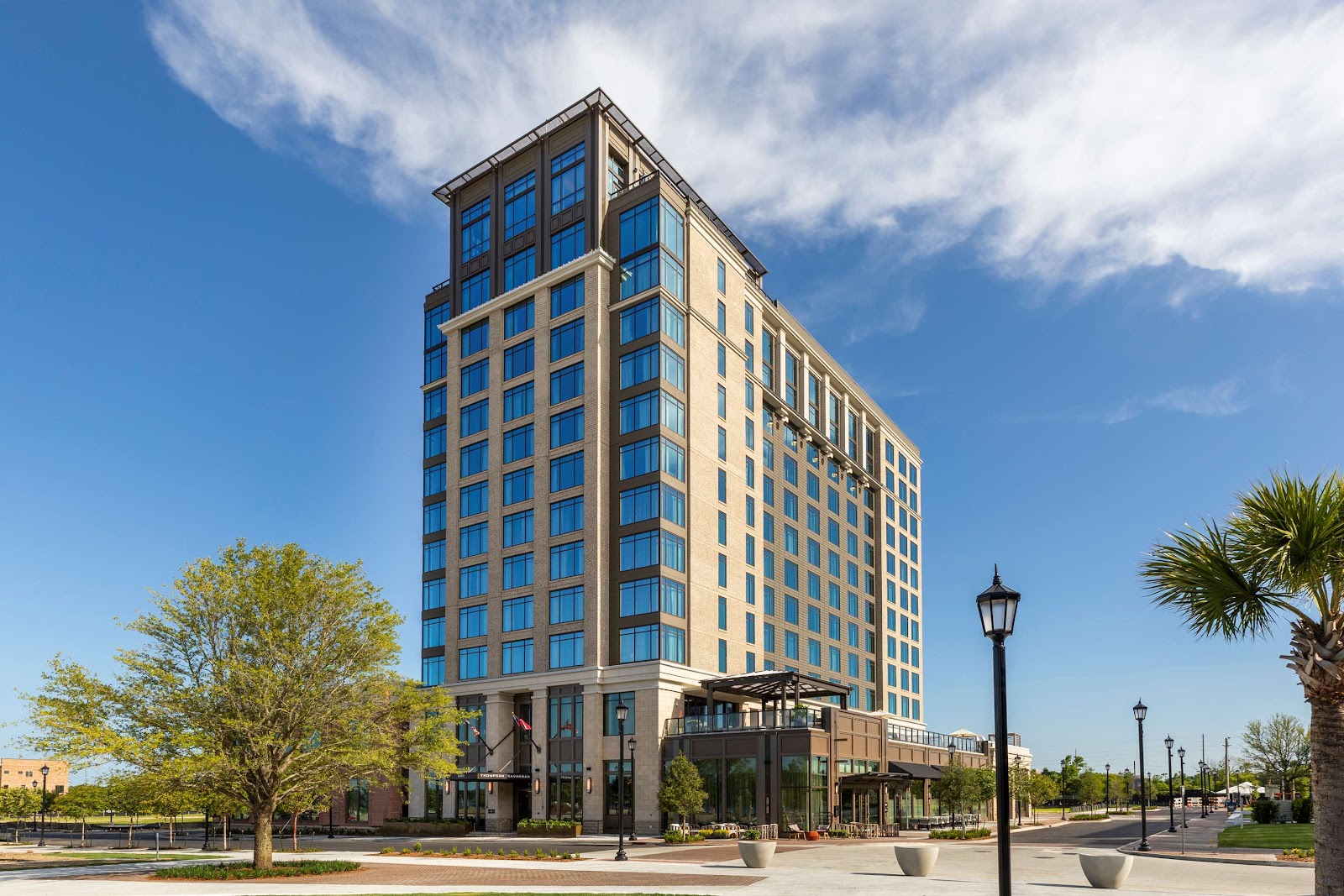
Planning a stay in Savannah’s Historic District? Discover the best areas, streets, and hotel styles, from riverfront views to Forsyth Park retreats, and how to choose.
Why the Savannah Historic District is the place to stay
Live oaks, brick sidewalks, and the faint sound of a river horn at dusk – the Savannah Historic District is where the city feels most itself. If you want a hotel Savannah experience that matches the postcards, you stay here, not out by the highway. The district concentrates the city’s best architecture, squares, and restaurants within a compact, walkable area that rewards slow wandering.
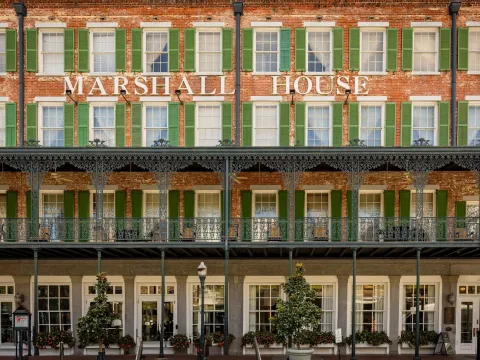
From Bay Street down to River Street, many properties occupy restored warehouses and townhouses, with exposed brick walls, high ceilings, and tall sash windows that frame the soft coastal light. Rooms often look directly onto a leafy square or toward the Savannah River, so the view becomes part of the stay. You step out of the hotel lobby and you are already in a story – sometimes literally on cobblestone.
For a traveler based in the United States weighing where to book, this area suits you if you value atmosphere over anonymity. You trade quick highway access for a short walk to Forsyth Park, City Market, and the riverfront. The district is not the quietest corner of Savannah, but it is the most cinematic. If you want to feel the city under your feet, this is the right district hotel zone.
Key streets and micro-neighborhoods to compare
Bay Street forms the upper edge of the riverfront, lined with hotels that look down toward River Street and the water. Stay here if you want instant access to the river promenade, the bars, and the old cotton warehouses, but expect more foot traffic and a livelier bar scene at night. A room on a higher floor often softens the noise and rewards you with a broader view of the city and ships sliding past.
Move a few blocks south and the mood changes. Around Oglethorpe Avenue and Jones Street, house fronts sit behind iron railings, and many inns occupy former private residences. This is where you book if you prefer a residential feel, shaded sidewalks, and a slower pace. The streets here are some of the most photographed in Savannah – beautiful in a way that feels lived-in rather than staged.
Farther south, near Forsyth Park, hotels and small inns cluster around the park’s perimeter. This area works well if you like to start the day with a run under the oaks or a coffee on a bench by the fountain. It is still a short walk to the river, but you gain more space, more greenery, and often slightly larger rooms in converted mansions. The trade-off ; fewer late-night options right outside your door.
What to expect from rooms, views, and layouts
Rooms in the Savannah Historic District tend to reflect the bones of older buildings. That means less uniformity, more character. You might find a king room with original brick walls and tall windows facing a square, while the next category up trades some historic quirks for a cleaner, more contemporary layout. When you check the room descriptions, look for mentions of exposed brick, fireplaces, or river views if those details matter to you.
River-facing rooms along East Bay Street and near River Street usually offer the most dramatic views – cargo ships, changing light, and the constant movement of the water. Square-facing rooms, by contrast, give you a quieter, greener outlook, with live oaks and historic house façades. Both have appeal ; the choice is between energy and calm. Corner rooms often capture both angles and feel more like a small city apartment than a standard hotel room.
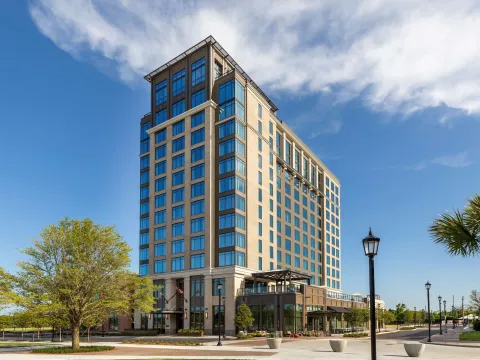
Bathrooms in historic district hotels can be compact in older conversions, especially in former townhouses and inns. Larger, newer properties closer to the riverfront tend to offer more generous layouts. If space is a priority, check the square meterage before you book and consider stepping slightly away from the tightest part of the grid near City Market. Families and longer stays usually do better in properties that were purpose-built as hotels rather than carved out of a single house.
Atmosphere, dining, and bars inside the hotels
Hotel lobbies in the historic district often double as living rooms for the neighborhood. You might walk into a space with polished wood floors, local art, and a small bar tucked into one corner, rather than a cavernous, anonymous hall. The best properties lean into Savannah’s slower rhythm – soft lighting, comfortable seating, and staff at the front desk who actually have time to talk through a walking route or a dinner plan.
On-site restaurants vary from refined Southern dining to casual all-day cafés. Some hotels on Bay Street and near City Market host destination restaurants where locals book tables for special evenings, not just hotel guests. Others keep it simpler, focusing on a solid breakfast and a reliable dinner menu so you can stay in after a long day of walking. If food is central to your trip, it is worth checking whether the property has a serious on-site restaurant or expects you to explore the surrounding streets.
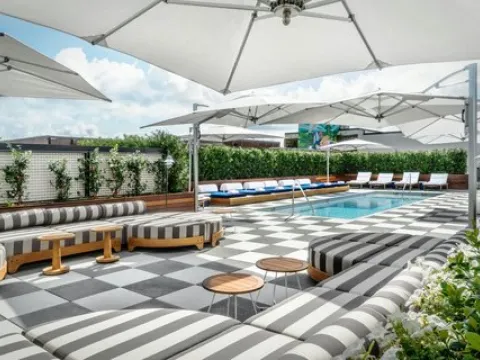
Bars are where the district’s character really shows. River-adjacent hotels often feature rooftop or terrace bars with a view over the water and the old warehouses of River Street, ideal for a first drink at sunset. More residential-area inns might offer a small, intimate bar or evening wine hour in a parlor with exposed brick and original moldings. Decide whether you want a lively scene with music and a crowd, or a quiet nightcap a few steps from your room.
Practicalities: parking, walking, and getting around
Driving into the Savannah Historic District is straightforward, but you will not want to rely on your car once you arrive. Many higher-end properties offer valet parking, especially along Bay Street and near the riverfront, which simplifies arrival in the narrow streets. Self-parking can be more limited in the core of the district, so if you are road-tripping, this is a detail to check carefully before you confirm your stay.
The real advantage of this area ; you can walk almost everywhere. From a hotel near East Bay Street, it is a short walk of roughly 10 to 15 minutes to Forsyth Park, passing through several of the city’s signature squares. City Market sits only a few blocks inland from the river, forming a compact hub of restaurants, galleries, and bars. Staying in the district means you can move between riverfront, market, and park without ever needing a ride-share.
For travelers with pets, several properties in the historic district are pet friendly, especially those closer to Forsyth Park where green space is abundant. If accessibility is a concern, consider that some smaller inns in converted houses may have more stairs and fewer elevators than larger hotels. In that case, a modern property near the river or on a wider street may be a better fit, with smoother access from lobby to rooms.
Which traveler profile fits which part of the district
Night owls and social travelers gravitate toward the riverfront and City Market. A hotel near River Street or just off Bay Street puts you within steps of bars, live music, and late-night energy. You accept a bit more street noise in exchange for being able to step out of the hotel lobby and into the evening without planning ahead. This is the right place to stay if your idea of Savannah includes a second round at midnight.
Couples and design-focused travelers often prefer the quieter streets between Oglethorpe Avenue and Forsyth Park. Here, the emphasis is on architecture, tree canopy, and the feeling of living in a historic house, even if only for a weekend. Rooms may be smaller but more distinctive, with details like exposed brick, original fireplaces, or tall windows overlooking a square. The best stays in this area feel intimate rather than grand.
Families and first-time visitors who want a bit of everything might choose a central location roughly midway between the river and Forsyth Park. From this middle band, you can walk in either direction in under 15 minutes, and you are close to both the park and the riverfront without being directly in the thick of either. It is a balanced choice ; easier logistics, plenty of dining options, and a calmer street scene once you return to your room.
How to choose and what to verify before you book
Start with your priorities. If a memorable view is non-negotiable, focus on properties along East Bay Street and the bluff above River Street, and filter for river-facing rooms or square-facing rooms on higher floors. If you care more about quiet mornings and leafy walks, look closer to Forsyth Park or the streets just south of Oglethorpe Avenue. The same city, two very different daily rhythms.
Before you book, check a few practical details that matter specifically in the Savannah Historic District. Confirm whether the hotel offers valet parking or only nearby garages, especially if you are arriving by car. Look at the exact street address on a map to understand how far you will be from the river, City Market, and the park – distances can feel shorter or longer depending on the heat and humidity. If you are traveling with a dog, verify pet friendly policies and proximity to green spaces.
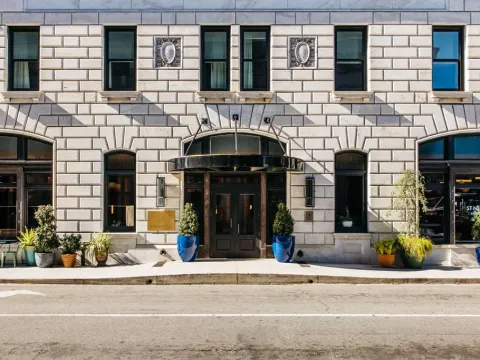
Finally, pay attention to the building type. A converted inn in a historic house will deliver charm and character, sometimes at the expense of soundproofing and elevator access. A larger district hotel built more recently may feel less romantic but more consistent in room size and layout. Neither is objectively better ; it depends whether you want to feel wrapped in history or prefer a smoother, more predictable stay in this Savannah beautiful quarter of the city.
Is the Savannah Historic District a good area to stay for first-time visitors?
Yes, the Savannah Historic District is the best area for most first-time visitors because it concentrates the city’s main sights, squares, and riverfront within easy walking distance. Staying here means you can reach River Street, City Market, and Forsyth Park on foot, experience the historic architecture up close, and rely less on driving or ride-shares.
What is the difference between staying near River Street and near Forsyth Park?
Staying near River Street puts you close to the water, bars, and a livelier evening scene, with many hotels offering river views and quick access to the promenade. Near Forsyth Park, the atmosphere is quieter and more residential, with more greenery, easier dog walking, and a slower pace, but a longer walk to the riverfront nightlife.
Do hotels in the Savannah Historic District usually have parking?
Many higher-end hotels in the Savannah Historic District offer valet parking, especially along Bay Street and near the river, while some smaller inns rely on nearby public garages or street parking. Because space is limited in the historic grid, it is important to check the exact parking options and any restrictions before you finalize your reservation.
Are there pet friendly hotels in the Savannah Historic District?
Yes, several hotels and inns in the Savannah Historic District are pet friendly, particularly around Forsyth Park where there is more green space for walks. Policies vary by property, so you should verify pet size limits, fees, and any room-location rules when choosing where to stay with your dog.
Can you explore Savannah without a car if you stay in the Historic District?
Staying in the Historic District makes it easy to explore Savannah without a car because the main attractions, restaurants, and parks are clustered within a compact, walkable area. You can reach most places by foot, use occasional ride-shares for longer trips, and treat your hotel as a central base rather than a place you drive to and from all day.
Sources: Savannah City government tourism information, Georgia state travel resources, and regional hospitality industry reports.