Discover what it’s really like to stay in a French Quarter hotel in New Orleans, from riverfront locations and rooftop pools to nightlife, dining, and nearby districts.
Why the French Quarter is still the classic New Orleans stay
Why the French Quarter is still the classic New Orleans stay
Step out of your hotel and straight onto worn flagstones on Royal Street, and you understand why the French Quarter remains the city’s most compelling place to stay. Everything is compressed here: history, nightlife, riverfront walks, and serious dining all sit within a few compact blocks. For a first or second New Orleans getaway, basing yourself in the heart of the Quarter is usually the most rewarding choice.
The area runs roughly from Canal Street down to Esplanade Avenue, and from the Mississippi riverfront back toward Rampart Street. Quarter hotels in this grid offer radically different experiences depending on which side you choose. Near Canal Street, you feel the pull of the central business district and its office towers; closer to Esplanade, the streets quiet down, with more residential balconies and leafy courtyards. Decide first whether you want to wake up to jazz buskers and café noise, or to the sound of a courtyard fountain.
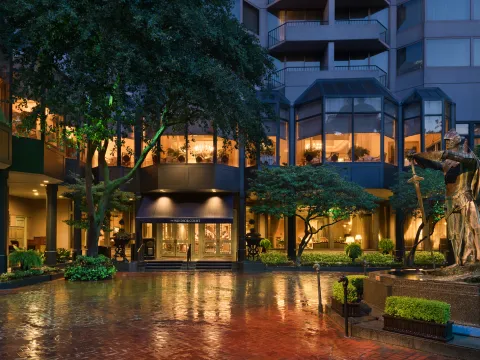
For many travelers from elsewhere in the United States, the French Quarter is the New Orleans they imagine: wrought-iron balconies, hidden courtyards, and guest rooms opening onto galleries above the street. Staying here means you can walk almost everywhere. The riverfront is about 400 m from Jackson Square, the streetcars glide along the edge of the Quarter, and the city’s storied dining rooms are often a five-minute stroll rather than a cab ride.
Choosing your French Quarter location: noise, river, or retreat
Rooms overlooking Bourbon Street deliver the full sensory experience: neon glow, late-night brass bands, and the occasional 03:00 chorus from a passing parade. If you want to sleep early, you will probably prefer a quarter hotel on Chartres, Dauphine, or Burgundy Street, where the atmosphere is more residential and the soundscape softens after midnight. The trade-off is simple: front-row energy versus a quieter, more private stay.
Riverfront proximity is another key decision. Hotels within a block or two of the Mississippi offer easy access to the Moonwalk promenade and the riverfront streetcar line, with some guest rooms and rooftop terraces angled for partial views of the water and the passing ships. You will not always get sweeping panoramic views, but even a sliver of river at sunset can change the feel of a room. If you care more about architecture than water, consider properties deeper in the grid with interior courtyards and shaded galleries.
On the Canal Street edge, you are technically in the French Quarter but feel the pull of the central business district. This fringe suits travelers mixing leisure and business, with quick access to the city’s central business and the larger hotels of the New Orleans CBD, while still being able to slip back into the Quarter for a late cocktail. In contrast, the Esplanade side feels almost like a small town, with oak trees, quieter bars, and a slower rhythm that rewards longer stays.
Atmosphere and design: what French Quarter hotels really feel like
Inside many French Quarter hotels, the city’s rich history is not a theme, it is the structure itself. Exposed brick, cypress beams, and uneven wooden floors remind you that these buildings predate most American skylines. Guest rooms can be idiosyncratic in the best way: one might have tall French doors opening to a balcony, another a small window facing a courtyard pool or a hidden alley. Standardization is not the point here.
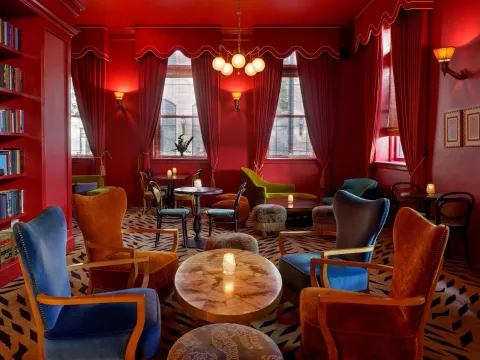
Expect a strong sense of place in the public spaces. Lobbies often double as living rooms, with patterned tile, ceiling fans, and a bar tucked into one corner serving a proper New Orleans cocktail rather than a generic mixed drink. Some properties lean into a refined, almost residential feel, with muted colors and soft lighting; others embrace bolder palettes and local art. Either way, the better hotels avoid kitsch and let the architecture carry the story.
Outdoor space matters in this dense quarter. A courtyard pool, even a compact one, can feel like a private oasis after a day in the Louisiana heat. Many hotels arrange their amenities around these internal courtyards, with breakfast rooms, small lounges, or shaded seating areas opening directly onto the greenery. If you value quiet, prioritize a room facing inward toward a courtyard rather than out to the street, especially near the heart of New Orleans nightlife.
Amenities and services: what to expect at the premium level
Premium French Quarter hotels tend to focus less on sheer scale of amenities and more on well-executed essentials. You will typically find comfortable guest rooms with quality bedding, thoughtful lighting, and bathrooms that balance historic bones with modern fixtures. Storage can be more compact in older buildings, but the best properties compensate with smart layouts and attentive housekeeping.
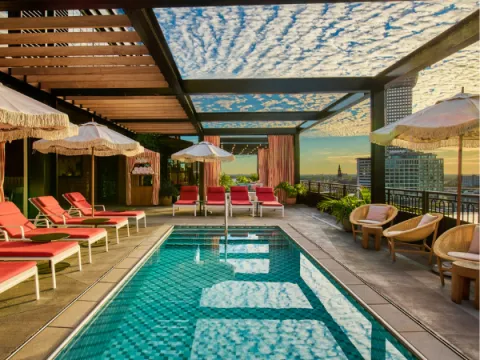
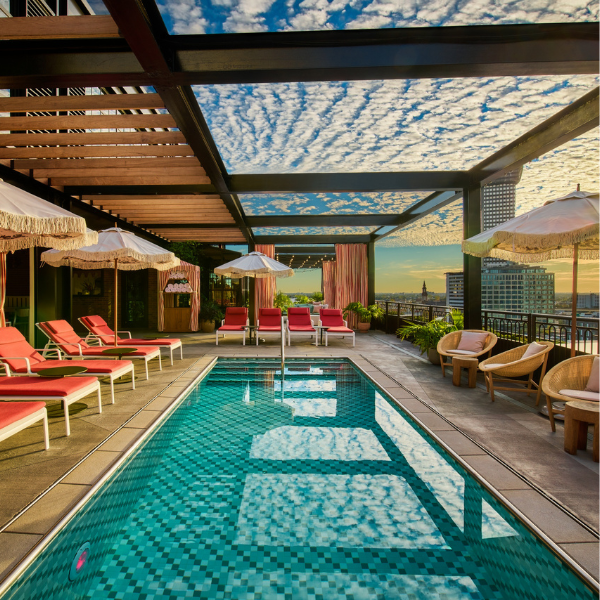
Rooftop spaces are a growing asset in the area. A few hotels near Canal Street and the riverfront have carved out rooftop pool decks or terraces with partial city views, giving guests a place to cool off above the street noise. These are not sprawling resort complexes, but they offer a welcome change of perspective, especially at sunset when the Mississippi reflects the last light and the city begins to glow.
On the ground, you can expect bars that take their cocktail lists seriously, often riffing on local classics like the Sazerac or French 75. Some hotels offer small but considered fitness rooms, while others trade that space for larger courtyards or more generous lounges. When comparing hotel offers, look closely at what matters most to you: a tranquil courtyard pool, a rooftop pool with a city view, or a more expansive lobby bar scene for pre-dinner drinks.
Dining, drinks, and stepping out into the Quarter
Staying in the French Quarter means you are rarely more than a few minutes’ walk from a memorable meal. From a hotel near Jackson Square, you can reach landmark dining rooms on Chartres and St. Louis Streets in under five minutes, while the casual po’boy counters and beignet cafés cluster closer to Decatur and the river. Many hotels offer their own dining options, but the real advantage here is proximity to the wider neighborhood.
For breakfast, you might step out onto Royal Street for coffee and a pastry before the antique shops open. Lunch could be a plate of Gulf oysters at a standing bar on Iberville, followed by a slow stroll back along the riverfront. Dinner often starts with a cocktail in your hotel bar, then a short walk to a restaurant where the menu leans into local seafood, rich sauces, and classic Creole preparations.
Nightlife is where location becomes critical. A stay near the heart French Quarter stretch of Bourbon Street puts you in the thick of it: live music, open doors, and crowds that spill into the roadway. If you prefer a more measured evening, look for hotels closer to Royal or Chartres Streets, where you can wander to intimate jazz clubs and wine bars, then retreat to quieter guest rooms. The best experiences balance immersion with the ability to step back when you have had enough.
French Quarter vs CBD and other New Orleans districts
Choosing between the French Quarter and the New Orleans CBD is less about distance and more about mood. The CBD, just across Canal Street, offers larger, more contemporary hotels with a business district feel, wider streets, and easier access to the Superdome and the city’s modern side. It suits travelers whose stay in New Orleans includes meetings, conventions, or quick highway access, and who prefer a clearer separation between work and play.
The Quarter, by contrast, is about immersion. Streets are narrower, sidewalks busier, and the architecture more layered. You trade some of the polished efficiency of central business hotels for character and immediacy. For a first-time leisure stay Orleans side, the Quarter usually wins; for repeat visitors or those prioritizing a calm base, the CBD or nearby neighborhoods like the Warehouse District can be more comfortable.
Other districts offer different balances. The Marigny, just beyond Esplanade, is popular with travelers who want music and local bars without the Bourbon Street crush. Uptown along St. Charles Avenue, you find grand houses, streetcar views, and a more residential rhythm. Still, if your time in the city is short and you want to feel New Orleans storied core under your feet, a French Quarter hotel remains the most concentrated experience.
Who the French Quarter suits best
Travelers who like to walk, linger, and absorb atmosphere will get the most from a French Quarter stay. If you enjoy stepping out of your hotel and immediately choosing between a riverfront stroll, a gallery on Royal Street, or a jazz set on Frenchmen Street, this is your neighborhood. The density of experiences within a 1 km radius is hard to match elsewhere in the city.
Couples often gravitate toward quieter side streets, where balconies overlook courtyards rather than Bourbon Street, and where a late-night drink feels more like a private ritual than a public spectacle. Friends’ trips and celebrations, on the other hand, may prefer being closer to the livelier blocks, accepting a bit more street noise in exchange for instant access to bars and music. Families can work here too, provided they choose carefully; look for hotels with calmer entrances and interior-focused amenities.
If your priority is a streamlined, business-focused experience, with easy parking and quick rides to meetings, the CBD may serve you better. But if you want to feel the layered history of the city, from the Mississippi riverfront to the back streets near Rampart, and you are willing to navigate some crowds and late-night energy, then a French Quarter hotel is still the most vivid way to stay Orleans side.
FAQ
Is the French Quarter a good area to stay for a first visit to New Orleans?
For a first visit, the French Quarter is usually the best base because it concentrates many of the city’s essential experiences within walking distance. You can reach the Mississippi riverfront, major historic sites like Jackson Square, and a wide range of dining and music venues without relying heavily on cars or rideshares. The trade-off is more noise and crowds than in quieter neighborhoods, but the payoff in atmosphere is significant.
How noisy are hotels in the French Quarter at night?
Noise levels vary dramatically by street and by room orientation. Hotels directly on Bourbon Street or near the busiest blocks of Decatur and Canal Street can be lively well into the night, especially on weekends and during events. Properties on side streets such as Dauphine, Burgundy, or the quieter stretches of Royal Street, particularly with interior-facing guest rooms, tend to offer a much calmer experience.
Is it easy to walk from the French Quarter to other parts of the city?
From the French Quarter, you can walk to the New Orleans CBD across Canal Street in a few minutes, and reach the Marigny and Frenchmen Street area by heading toward Esplanade Avenue. The riverfront is a short stroll from most quarter hotels, and streetcar lines along Canal and St. Charles provide access to the Garden District and Uptown. Distances are compact, but summer heat and humidity can make midday walks feel longer.
Are French Quarter hotels suitable for business travelers?
French Quarter hotels can work well for business travelers who value character and proximity to dining over a strictly corporate environment. Those with meetings in the central business district often choose properties near Canal Street, where it is easy to cross into the CBD while still enjoying the Quarter’s atmosphere after hours. Travelers needing frequent access to convention centers or large venues may find CBD hotels slightly more convenient.
What kind of views can I expect from French Quarter hotels?
Views in the French Quarter are more about streetscapes and courtyards than sweeping skylines. Some hotels near the riverfront or on taller buildings by Canal Street offer partial city or river views, especially from rooftop pool decks or terraces. Many guest rooms instead look onto internal courtyards, narrow streets with wrought-iron balconies, or neighboring rooftops, which can feel intimate and distinctly New Orleans even without dramatic panoramic views.
Sources: New Orleans & Company; Louisiana Office of Tourism; National Park Service (French Quarter preservation resources).