Discover the best Charleston city center hotels for first-time visitors, with practical tips on where to stay in downtown Charleston, walkability, prices, and access to top sights.
Best Charleston City Center Hotels for First-Time Visitors
Choosing where to stay in Charleston can feel overwhelming, especially if it is your first visit and you are trying to balance charm, walkability, and budget. This guide focuses on the best Charleston city center hotels for US travelers who want to be in the historic core, close to the Charleston waterfront, the City Market, and the main sights that make downtown so appealing. It blends practical details—like price ranges, noise levels, and parking—with a sense of what it actually feels like to stay in each part of the peninsula.
Staying in Charleston city center: who it really suits
Stepping out onto King Street just after sunrise, you understand quickly why staying in Charleston city center is different from sleeping out by the highway. Church bells carry down the block, the air smells faintly of pluff mud from Charleston Harbor, and you can walk almost everywhere that matters. For a traveler based in the United States, especially on a long weekend, that walkability is the main argument for choosing a hotel downtown instead of a roadside chain.
The historic district around lower King Street and the City Market concentrates most of what first-time guests want to see. From a hotel in this compact district, you can reach Waterfront Park, White Point Garden at the southern tip of the peninsula, and the pastel façades of historic Charleston in under 15 minutes on foot. That density means less time in a car, more time learning the city block by block and understanding where to stay in Charleston on future trips.
This central location suits travelers who value atmosphere over retreat. If you want quiet seclusion, a resort on nearby Mount Pleasant or out toward the islands may feel more appropriate. But if you prefer to step out of your suite and be in the middle of the city’s dining scene, or wander to a late-evening concert in a church Charleston is famous for, then a hotel in Charleston city center is the right call. You trade space and silence for immersion in the streets that define downtown Charleston.
Mapping the districts: where to book your room
Look at a map of downtown Charleston and you will see three zones that matter most for hotel choices. South of Calhoun Street, the historic district is the postcard version of the city, with cobblestone lanes, the Nathaniel Russell House on Meeting Street, and the Charleston Waterfront stretching toward the harbor. This is where you stay if you want to be surrounded by 18th and 19th century architecture and feel the city’s layered history underfoot every time you leave your room.
North along King Street, the mood shifts. Here, hotel downtown options sit above fashion boutiques, bars, and newer dining rooms. It is livelier at night, a good fit if you plan to explore restaurants and cocktail bars rather than turn in early. You trade a bit of old-world quiet for energy and easy access to the city’s contemporary side, and you are still only about a 10–15 minute drive from the Ravenel Bridge for day trips toward Mount Pleasant.
Closer to the Charleston Harbor, near Waterfront Park and the cruise terminal, you find properties that lean into water views and proximity to the promenade. From this area, you can walk to boat departures for Fort Sumter tours or cross the Ravenel Bridge by car toward Mount Pleasant and the beaches. Each district offers a distinct rhythm; the right choice depends less on star ratings and more on how you want to move through the city each day and what you expect from Charleston hotels in terms of noise, parking, and scenery.
What to expect from rooms, suites, and service
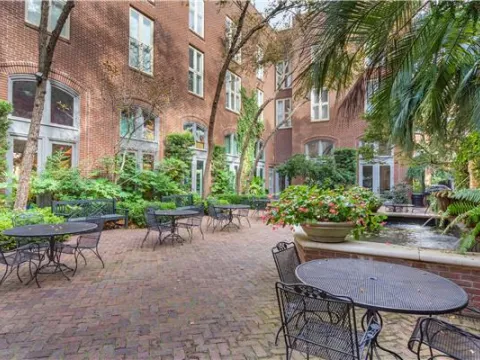
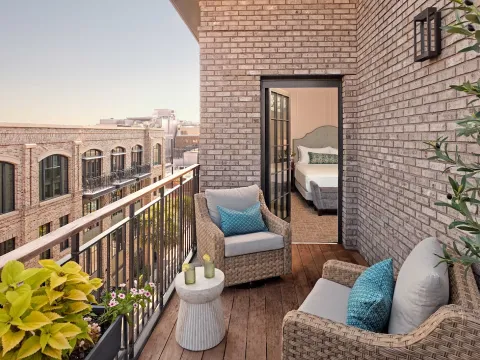
Inside the better hotels in Charleston city center, rooms tend to be more intimate than sprawling. Historic buildings and narrow plots mean you will often find high ceilings, tall windows, and king beds fitted into thoughtfully planned spaces rather than oversized floor plans. When you do book a suite, it usually adds a separate sitting area, sometimes with French doors or a small private terrace overlooking Charleston’s rooftops or a quiet courtyard instead of a busy street.
Service in the premium segment is attentive but not stiff. Staff are used to guests asking for last-minute dinner reservations, directions to the South Carolina Aquarium, or the best route to park near the City Market on a busy Saturday. The better teams know how to sketch a quick walking map on a notepad and send you out the door with two or three targeted suggestions instead of a generic list, which matters when you only have a few days in downtown Charleston.
Noise is the main trade-off in the most central locations. A room directly on King Street or facing a popular dining block can pick up late-night sounds, especially on weekends. If you are sensitive to that, request an interior-facing room or a higher floor when you book. In return, you gain the ability to walk back to your hotel after an evening along the Charleston waterfront without worrying about rideshares or parking, a convenience that many guests consider worth the compromise.
Breakfast, dining, and the pleasure of staying central
Morning in downtown Charleston rewards early risers. Many city center hotels serve a composed breakfast rather than a sprawling buffet, with a focus on well-made basics: eggs cooked to order, local grits, seasonal fruit, good coffee. Some properties lean into Southern flavors, others keep it more international, but the overall standard is high enough that you do not need to leave the building if you prefer a slow start and want to plan your day over a quiet meal.
That said, part of the charm of staying in the historic district is stepping out to nearby cafés and bakeries. Within a 500 m radius of the City Market, you can find everything from a quick biscuit sandwich to a more elaborate brunch. For travelers who like to graze, a central hotel becomes a base camp for tasting the city in small, frequent stops rather than committing to one big meal, and you can easily return to your room between outings.
Evening dining is where the location really pays off. From a well-placed hotel downtown, you can walk to seafood houses near the Charleston waterfront, contemporary Southern kitchens off King Street, and quieter spots tucked into side streets. You are free to order that extra glass of wine, linger over dessert, and then stroll back under live oaks instead of calculating drive times. It is a subtle luxury, but a real one, and a major reason many visitors choose to stay in Charleston city center rather than on the outskirts.
Access to sights: from harbor walks to house museums
Staying in Charleston city center puts most of the major sights within easy reach. From many hotels in the historic district, you can walk to the South Carolina Aquarium in about 20 minutes, following East Bay Street north with views toward the harbor. Boat trips to Fort Sumter typically depart from piers a short drive or a longer walk away, making it simple to fit a harbor excursion into a half day without elaborate planning or long transfers (Charleston Area Convention & Visitors Bureau).
History-focused travelers benefit most from a central base. The Nathaniel Russell House and other preserved townhouses sit right in the downtown Charleston grid, so you can tour one in the morning, pause for lunch near the City Market, then continue to another museum or a church Charleston is known for in the afternoon. You are not shuttling back and forth from the suburbs; your hotel is woven into the same streets you are exploring, which makes even a short stay feel more immersive (South Carolina Parks, Recreation & Tourism).
Families often appreciate the ability to retreat quickly. After a few hours at the Carolina Aquarium or along Waterfront Park, younger guests can tire of the heat and humidity. A hotel within a short walk or a brief ride allows you to reset in your room or suite, then head back out for an evening stroll along White Point or a sunset view overlooking Charleston Harbor. Convenience, in this case, becomes a form of comfort and can make three or four nights in downtown Charleston feel manageable with children.
How to choose the right Charleston city center hotel for you
Choosing among the best hotels in Charleston for US travelers starts with one question: what do you want at your doorstep. If your priority is shopping and nightlife, focus on addresses along or just off King Street, where you can step out into the thick of the action. If you care more about quiet streets and historic façades, look closer to the southern end of the peninsula, near the older residential blocks and the park-lined waterfront, where traffic thins out at night.
Room type matters more here than in some larger cities. A corner king room or a suite with a private sitting area can transform a short stay, especially if you plan to spend time reading or working between outings. Check whether the layout offers a clear separation between sleeping and living spaces; in compact historic buildings, that distinction is not guaranteed, and it can affect how comfortable a three-night stay feels.
Finally, think about how you will move beyond downtown. If you plan day trips to Mount Pleasant, the beaches, or plantations outside the city, a hotel with straightforward access to the main bridges will save you time. Driving from the historic district to the airport typically takes around 20–25 minutes outside rush hour, while reaching Mount Pleasant via the Ravenel Bridge is often closer to 15–20 minutes (National Park Service; Charleston Area Convention & Visitors Bureau). If your focus is purely on historic Charleston, the City Market, and the Charleston waterfront, prioritize walkability over road access. The best fit is the one that matches your daily rhythm, not just the prettiest lobby.
Is staying in Charleston city center worth it for a first visit?
For a first visit, staying in Charleston city center is usually worth it because you can walk to the historic district, the City Market, Waterfront Park, and many key sights without relying on a car, which makes a short trip feel fuller and less fragmented and helps you understand where to stay in Charleston on future returns.
Which area of downtown Charleston is best for walking?
The area south of Calhoun Street, especially around lower King Street, Meeting Street, and the blocks between the City Market and White Point Garden, is the most walkable part of downtown Charleston for visitors who want easy access to historic streets, dining, and the waterfront, along with many of the most atmospheric Charleston hotels.
Are Charleston city center hotels a good choice for families?
City center hotels work well for families who value quick access to the South Carolina Aquarium, Waterfront Park, and harbor tours, but parents should look for rooms or suites with extra space and consider interior-facing rooms if children are light sleepers, since some of the liveliest streets in downtown Charleston can stay noisy late.
How many nights should I plan in downtown Charleston?
Three nights in downtown Charleston usually gives enough time to explore the historic district on foot, visit at least one house museum such as the Nathaniel Russell House, take a harbor or Fort Sumter excursion, and still enjoy slow mornings over breakfast without rushing, while four nights allows a relaxed day trip over the Ravenel Bridge.
Is it easy to visit other areas like Mount Pleasant from a downtown hotel?
Reaching Mount Pleasant from a downtown Charleston hotel is straightforward by car via the Ravenel Bridge, and most travelers can drive from the historic district to the Mount Pleasant waterfront or nearby beaches in well under 30 minutes outside of peak traffic, making city center properties a practical base for exploring the wider Lowcountry.
Best Charleston city center hotels: quick picks and trade-offs
To match the right guest with the right address, it helps to look at specific properties rather than just neighborhoods. The following downtown Charleston hotels are well located for first-time visitors and illustrate the main trade-offs between price, noise, and character (Charleston Area Convention & Visitors Bureau; South Carolina Parks, Recreation & Tourism):
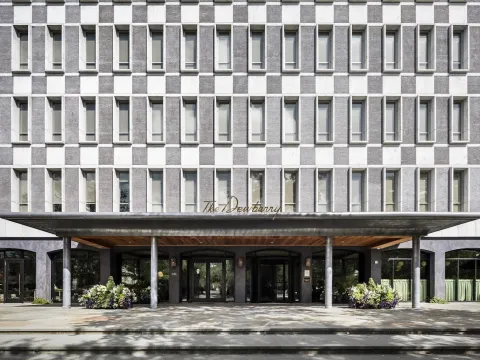
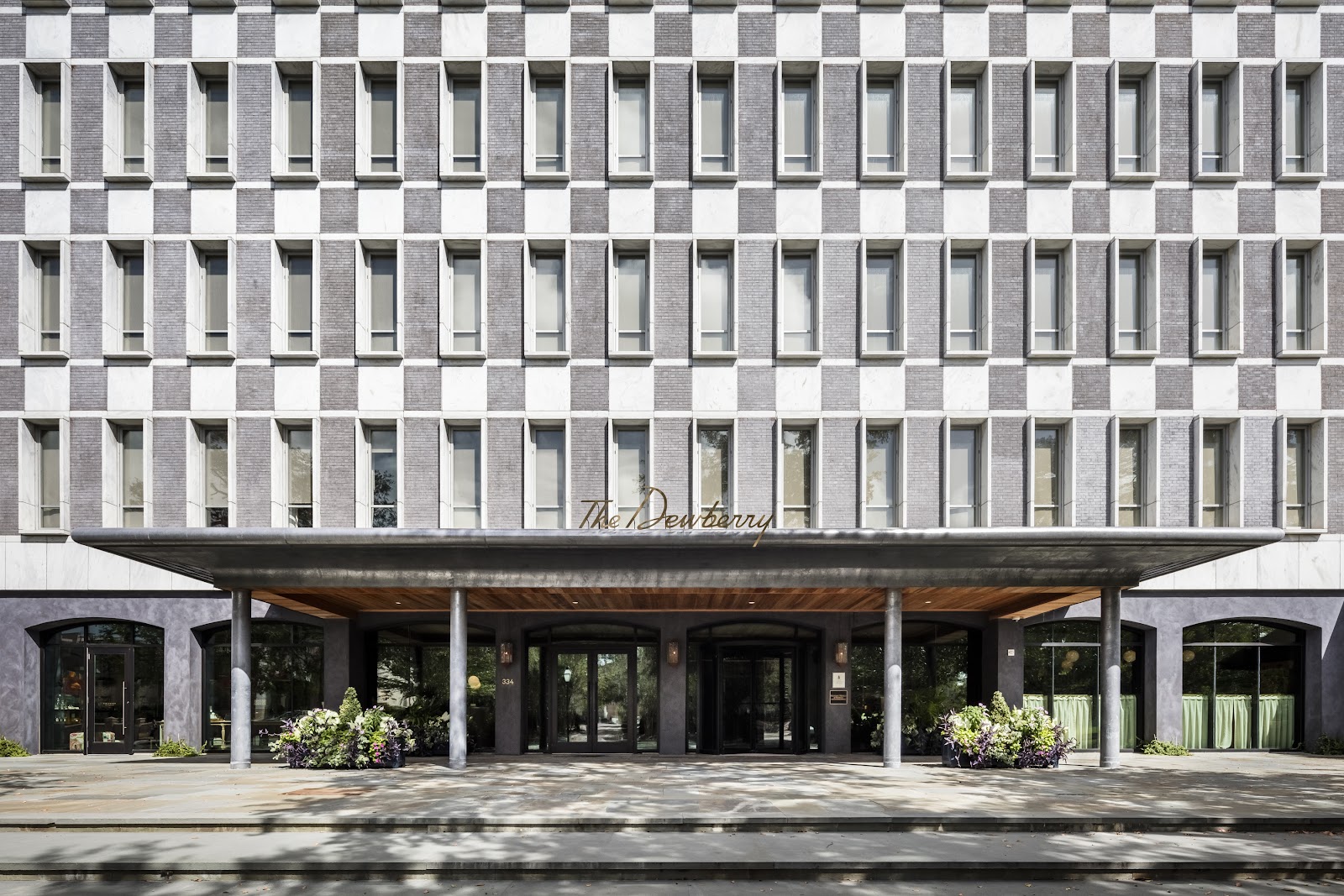
- The Dewberry Charleston (upper Meeting Street, near Marion Square): Upscale boutique with mid-century style and a popular rooftop bar; typical nightly rates often fall in the high $$$ to $$$$ range. Pros include polished service and easy access to both King Street shopping and the Ravenel Bridge; cons are higher prices and occasional street noise from events on the square.
- French Quarter Inn (near the City Market): Classic, service-focused hotel in the heart of the historic district, usually priced in the $$$$ band. Guests like the quiet side-street setting and generous amenities; the main trade-offs are valet-only parking and limited harbor views despite the central location.
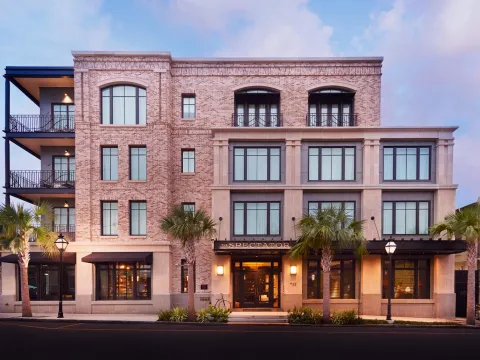
- The Spectator Hotel (between the Market and Waterfront Park): Intimate luxury property with butler-style service and a speakeasy-inspired bar, typically in the upper $$$$ range. It suits couples who want a romantic base; the compact footprint means fewer on-site facilities and higher demand for the quieter interior rooms.
- Emeline (near the Charleston City Market): Stylish, design-forward hotel with a lively courtyard and in-house restaurant, generally in the $$$ bracket. Pros include a social atmosphere and walkable access to many attractions; cons are that weekend noise can carry into some rooms and on-site parking is limited and often valet-only.
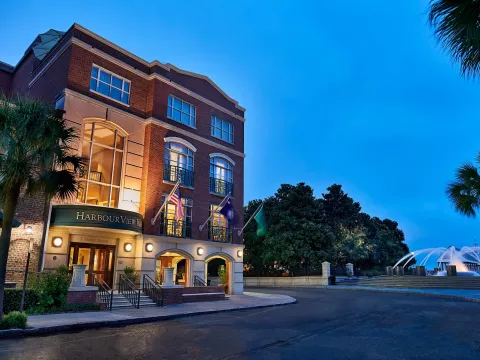
- HarbourView Inn (overlooking Waterfront Park): Comfortable, mid-to-upscale option with harbor-facing rooms and a rooftop terrace, usually priced in the upper $$ to lower $$$ range. Travelers appreciate the views and proximity to Fort Sumter boat departures; the main compromise is that some interior rooms feel less characterful than those in older historic buildings.
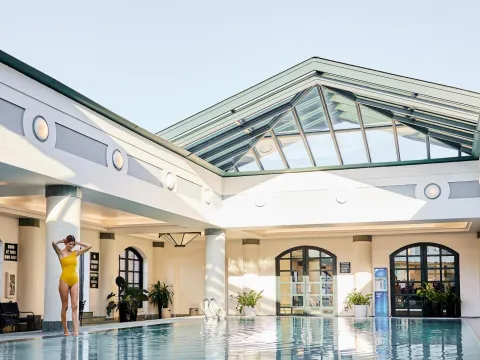
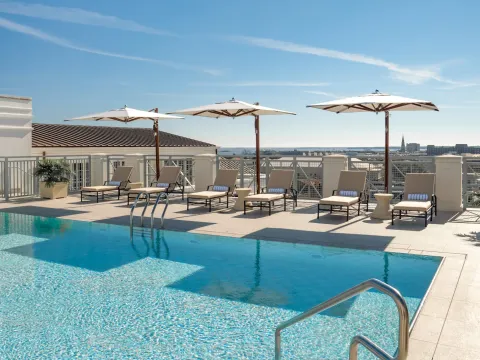
- Charleston Place (between King and Meeting Streets): Large, full-service hotel with a pool, spa, and on-site shopping, often in the $$$$ category. It is ideal for guests who want resort-style amenities in the city center; trade-offs include a busier lobby and higher nightly rates, especially during peak spring and fall weekends.
- King Charles Inn–style midrange options (around lower King Street): Several comparable midrange Charleston hotels in this area typically fall in the $$ to $$$ range, offering comfortable rooms and easy access to dining. Pros are value and location; cons can include smaller bathrooms, limited views, and parking fees that add to the overall cost.
Prices fluctuate with season and events, but as a rough guide, budget-friendly downtown Charleston hotels often start in the low $$ band on quieter dates, while top-tier luxury properties in the historic district can reach the higher end of the $$$$ range during spring and fall (Charleston Area Convention & Visitors Bureau). Balancing these costs against walkability, parking, and your tolerance for nightlife noise will help you decide which Charleston city center hotel is the best fit for your stay.
Sources: Charleston Area Convention & Visitors Bureau, South Carolina Parks, Recreation & Tourism, National Park Service.