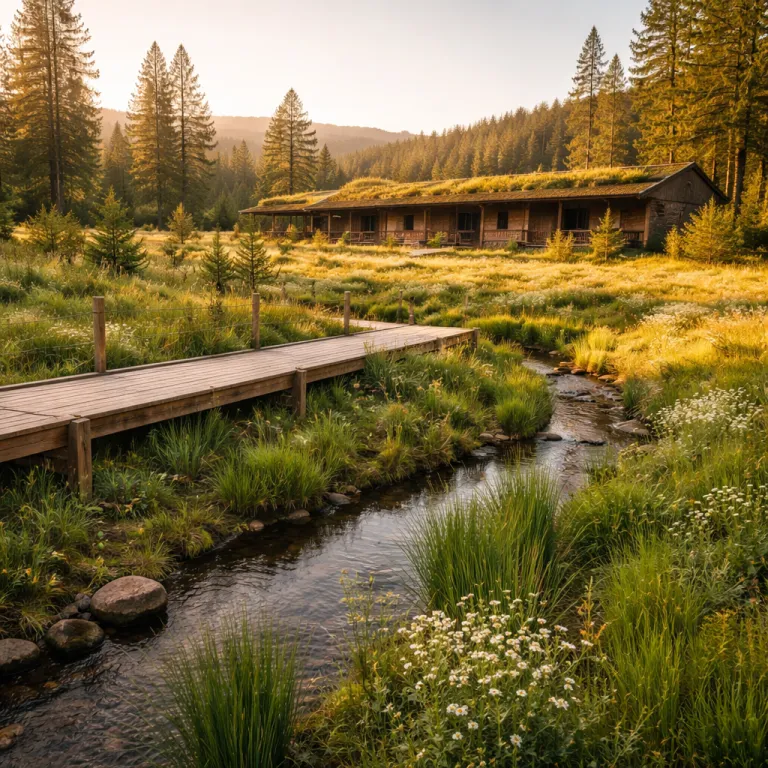
From sustainable to regenerative: what your hotel stay can really change
Regenerative tourism hotels ask a harder question than “How little harm can we do?”. They belong to a new wave of luxury hospitality where every hotel stay is designed to leave local ecosystems and the surrounding community tangibly better, not just slightly less damaged by tourism. In industry discussions, a regenerative hotel is often described as “A hotel that improves local ecosystems and communities,” a step beyond conventional sustainable tourism or generic eco friendly claims.
For American couples planning travel inside the United States, this shift matters because your weekend away can now fund wetland restoration, apprenticeships for a local community, or the revival of regional heritage crafts. Regenerative tourism goes beyond sustainable tourism by tying each room night to measurable impact, whether that is native planting around an island shoreline, scholarships for local communities, or long term partnerships with conservation groups that monitor biodiversity. When you see a property talk about regenerative hospitality, you should expect transparent data on water use, waste, carbon, and social impact, not vague promises about being green.
The hospitality industry has spent years talking about sustainability, but regenerative travel demands proof that tourism industry dollars are actively repairing damage. Some of the most credible players now use tools such as renewable energy, water conservation systems, and waste reduction programs to back up their claims about eco luxury operations. Global actors like Regenerative Travel and SCP Hotels have emerged to connect hotels that follow strict regenerative tourism principles, and they give travelers a way to verify whether a resort or lodge is walking the talk. Other labels and consultancies are appearing as well, so it is worth checking how any certification body defines regenerative hospitality and what evidence it requires, including dates, baselines, and independently reviewed impact data.
How leading properties turn your stay into measurable local impact
Across the Americas and beyond, regenerative tourism hotels are building a new template for what a luxury resort or mountain lodge can be. They combine high level design, attentive hospitality, and serious sustainability engineering so that every hotel spa treatment, every dinner, and every guided walk feeds value back into the local community. The most advanced examples link each booking to specific projects in local ecosystems, from coral nurseries to prairie restoration.
International pioneers such as Soneva Fushi in the Maldives, Ritz Carlton properties with conservation programs, and Iberostar Selection resorts in coastal regions show how tourism regenerative models can scale. These hotels invest in reef regeneration, mangrove planting, and plastic free operations while still delivering eco luxury suites, refined dining, and thoughtful wellness spaces that couples expect from high end hotels. In destinations like Costa Rica, Bisate Lodge in Rwanda, or Fogo Island Inn in Canada, the same philosophy applies, with regenerative travel stays funding reforestation, wildlife monitoring, and cultural heritage projects led by local communities.
A concrete illustration comes from the Caribbean, where the Iberostar Group reports in its Wave of Change impact updates that its program has helped restore more than 30,000 coral fragments across several nurseries while moving many of its beachfront hotels toward single use plastic free operations. Marine biologists working with the company track survival rates and reef health over multiple years, and local dive guides are trained to support monitoring. As one coastal hotel manager explained in an impact report, “Guests do not just sleep by the sea; their stay directly finances coral gardening, beach cleanups, and science jobs for young people from nearby fishing villages.” In one pilot bay, for example, a single season of guest funded dives supported dozens of monitoring visits and the expansion of coral frames across additional square meters of degraded reef.
Choosing regenerative tourism hotels for a romantic, responsible United States escape
For couples in the United States, the most meaningful romantic getaways now blend candlelit dinners with credible regenerative tourism commitments. You might book an eco friendly lodge in the Rockies where the design uses reclaimed timber and passive cooling, then learn that your stay financed trail restoration and youth ranger jobs for the surrounding local community. Or you could choose an island style resort off the New England coast that partners with local communities to protect dunes, fisheries, and maritime heritage.
On a curated booking site such as my-usa-stay.com, you can filter for regenerative tourism hotels that align with your values and still expect polished service. A city hotel with a serious sustainability program might channel part of its revenue into urban tree planting, while a coastal resort could support marine science internships for students from nearby local communities. When you browse options like elegant two bedroom suites in Los Angeles for refined urban stays, look for clear references to regenerative travel, community partnerships, and third party verification rather than generic green slogans, and use internal links or filters that highlight regenerative hotels in the US so you can compare options quickly.
Verification is where expertise matters, especially as the tourism industry races to market every property as sustainable. Before you confirm a hotel, check whether it appears in directories such as Regenerative Travel, or whether it holds a certification from a body that specializes in regenerative hospitality and sustainable tourism. Read impact reports, note the publication year, and ask how the hotel works with local ecosystems and local communities, including any quantified outcomes such as hectares restored or internships funded. Pay attention to whether staff can explain their sustainability and tourism regenerative programs in detail when you arrive, and use that information to decide whether you will recommend the property to friends or return for another stay.
Practical checklist: how your booking shapes the future of luxury hospitality
When you evaluate regenerative tourism hotels, start with the basics; location, design, and the kind of experience you want as a couple. Then go deeper by asking how the hotel integrates sustainability into daily hospitality operations, from energy and water to food sourcing and waste. A truly regenerative hotel will be able to show how its tourism model supports local ecosystems, funds cultural heritage, and strengthens the resilience of the surrounding local community.
Look for specific signals across both hotels and larger resorts, whether you are considering a desert lodge, a forest retreat, or an island inn on a quiet coastline. Does the property employ people from nearby local communities in leadership roles, and does it invest in training that builds long term careers in the hospitality industry rather than seasonal jobs? Are there transparent partnerships with environmental organizations or government agencies that track the impact of tourism on wildlife, watersheds, and regional heritage, and are the results shared in public reports or on site briefings that you can read before booking?
Finally, remember that your choices help steer the wider tourism industry toward sustainable tourism and beyond. When couples consistently favor eco luxury stays that prioritize regenerative travel, hotel brands from Iberostar to SCP Hotels receive a clear market signal to deepen their commitments. Prices vary; some may be higher due to sustainable practices, but as more regenerative tourism hotels reach scale, the expectation that every resort, hotel spa, and city hotel will contribute positively to its place will become the new standard, especially for travelers seeking regenerative hotels in the US and other destinations.
Key figures shaping regenerative tourism hotels and sustainable travel
- Industry observers note that the number of hotels using regenerative tourism principles has grown from a niche handful to several hundred properties worldwide, with platforms such as Regenerative Travel curating a portion of this segment and signaling that the model is moving into the mainstream hospitality industry.
- Analysts at Future Market Insights have projected that the global sustainable tourism market could grow at a compound annual rate above 20 percent through the mid 2030s, implying a multitrillion dollar sector and signaling strong demand for regenerative travel experiences and eco friendly resorts; travelers should always check the publication year and methodology of such forecasts.
- Booking.com has reported in recent years that a clear majority of travelers now seek experiences that “leave places better than they found them,” a sentiment that directly supports the rise of regenerative tourism hotels and responsible luxury stays; the company’s annual sustainable travel reports provide dates, sample sizes, and regional breakdowns.
- HospitalityNet and other trade publications highlight double digit annual growth rates for regenerative tourism models, indicating that hotels which actively restore local ecosystems and support local communities are expanding faster than traditional properties that only focus on minimizing harm.
- Purpose driven travel platforms such as Earth Changers emphasize that conservation linked stays and community managed tourism programs are gaining adoption worldwide, reinforcing the idea that a hotel can be both a luxury retreat and a driver of measurable positive impact for people and nature when projects are tracked, budgeted, and reported transparently.