Why the best American hotels now lead with sleep
Sleep has quietly become the new status amenity in the American hotel landscape. When couples plan premium travel, the hotel sleep wellness experience now rivals the spa, the restaurant, and even the ocean view. The smartest hotels understand that if guests sleep well, every other part of the experience feels elevated.
Across the United States, luxury hotels are investing in sleep wellness as seriously as they once invested in marble lobbies. You see it in circadian rhythm lighting systems, in-room air purification, and the rise of the smart bed that adjusts temperature and firmness in real time. This shift has created a new kind of wellness resort where night sleep is treated as a precision engineered ritual rather than a background detail.
For American travelers, this is changing how you choose where to stay and how you evaluate value for money. A strong hotel sleep wellness experience often means fewer nights lost to jet lag and more energy for long drives, late dinners, or early hikes. When a hotel designs its rooms around the senses and sleep insights instead of just square footage, you feel the difference before you even reach the spa.
The science behind a hotel room that makes you sleep well
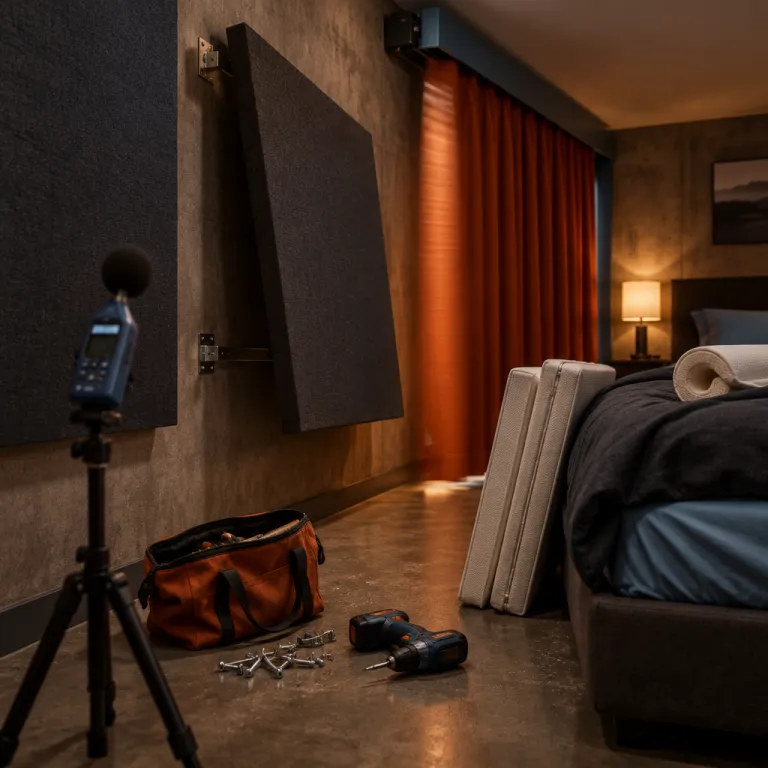
Engineered sleep starts long before you touch the bed or pull on a sleep mask. The most forward thinking hotels now work with a sleep doctor or clinical consultants to understand how light, temperature, and sound shape a guest’s sleep experience. They design rooms where every detail, from blackout systems to HVAC, supports a deep and stable night sleep.
Lighting is the quiet hero of any serious hotel sleep wellness experience. Tunable LEDs shift color temperature through the day to support your circadian rhythm, warming toward amber in the evening to cue melatonin and brightening in the morning to wake you gently. Peer reviewed sleep research from institutions such as Harvard Medical School has shown that blue enriched light in the evening can delay melatonin release, which is why hotels now favor warmer tones at night and daylight mimicking brightness after sunrise.
Technology is moving quickly, and the best hotels are careful about how they use it. A dedicated sleep program might include a simple app that guides breathing exercises, tracks sleep insights, and syncs with a smart bed without flooding you with notifications. Medical grade wellness concepts, like those explored in this analysis of how medical wellness is redefining the hotel spa, are starting to influence how American hotels think about sleep wellness as a measurable, improvable part of your stay.
Smart beds, Bryte Balance and the new hardware of rest
Underneath the sheets, the hardware of sleep has changed as dramatically as any lobby renovation. High end hotels now install mattresses and smart bed systems that cost more than some compact cars, because they know a single good night can convert a first time visitor into a loyal guest. For couples balancing work and leisure travel, that engineered sleep experience can be the difference between a productive morning meeting and a wasted day.
One of the most talked about innovations in the United States is the Bryte smart bed platform, which appears in a growing number of luxury hotels. The Bryte Balance technology uses embedded sensors to read your body’s pressure points, then quietly adjusts firmness and temperature to maintain balance smart comfort through the night. Independent testing by the company reports reductions in nighttime awakenings and higher guest satisfaction scores, and some properties even integrate Bryte with a dedicated app so guests can review sleep insights and fine tune their preferred settings over time.
Business travelers, in particular, should pay attention to which hotels invest in this level of sleep engineering. Properties that take sleep tourism seriously often combine smart bed systems with pillow menus, noise engineered walls, and thoughtful wake up programming. A few guest reviews on major booking platforms now mention waking up without back pain for the first time on a work trip, and for a deeper look at how these details intersect with a packed calendar, the business traveler’s guide to hotel spas that fit a work schedule shows how wellness and work can coexist without sacrificing rest.
From Miami wellness to mountain ranch retreats: where sleep leads the stay
Sleep focused hospitality looks different in Miami than it does in Montana, but the intent is the same. In South Florida, miami wellness leaders like Carillon Miami Wellness Resort build entire stay packages around sleep wellness, pairing ocean air with clinical grade therapies. Couples book a retreat there not just for the spa but for a structured sleep program that addresses jet lag, stress, and digital overload.
At Carillon Miami, the hotel sleep wellness experience might include circadian rhythm lighting, a consultation with a sleep doctor, and access to technology enhanced relaxation suites. The resort’s Sleep Well Retreat and similar offerings typically combine a personalized sleep assessment with access to touchless therapies such as NuCalm or Somadome, and guests can combine these with traditional spa rituals, creating a well retreat that feels both medical and deeply sensory. When a property treats sleep tourism as a core identity rather than a marketing line, you feel it in the way staff talk about rest and in the quiet confidence of the rooms.
Far from the coast, American ranch style wellness resorts are reimagining the classic cabin stay through the lens of sleep. Think of a high desert ranch where the bed is hand built, the linens are organic, and the only app you open is the one dimming your room lights and queuing a wind down playlist. These hotels lean on silence, starlight, and long horizons to reset the senses, proving that a carefully engineered night sleep does not always require advanced hardware.
How to choose a hotel for a truly restorative night
Choosing a hotel for its sleep credentials requires a different checklist than booking for a pool or restaurant. Start by looking for explicit mention of a sleep program, smart bed technology such as Bryte Balance, or partnerships with recognized experts like Michael Breus, often called “the sleep doctor”. When hotels are serious about sleep wellness, they usually describe the package details clearly rather than hiding them behind vague wellness language.
Next, pay attention to how the property talks about the senses and the full arc of the night. Do they mention circadian rhythm lighting, noise control, and blackout strategies, or only the spa and fitness center. A strong hotel sleep wellness experience often includes small but telling touches, such as a curated sleep mask, herbal teas, or guidance on managing jet lag for long haul travel across time zones.
Finally, use the hotel’s own communication channels to your advantage. Sign up for the newsletter to see whether they highlight sleep tourism, well retreat offers, or detailed sleep insights rather than only dining events. Many of the most thoughtful hotels now use their app to let guests adjust room settings, request organic bedding, or tailor turndown timing so you can simply say good night and let the room do the rest, and if your journeys eventually extend beyond the United States, the same lens will serve you well when browsing curated stays in resources such as this France hotel guide.
FAQ
What makes a hotel sleep wellness experience different from a standard stay?
A true hotel sleep wellness experience treats rest as the central design principle rather than a by product of a comfortable bed. The room, lighting, acoustics, and even service rituals are engineered to support deep night sleep and a stable circadian rhythm. You will often see structured sleep programs, smart bed technology, and clear guidance on how to sleep well while traveling.
How can I tell if a hotel really invests in sleep, not just marketing?
Look for specific, verifiable details rather than soft language about relaxation. Serious hotels name the smart bed systems they use, describe their blackout and soundproofing strategies, and sometimes reference collaborations with a sleep doctor or recognized experts such as Michael Breus. Reviews from other guests often mention whether they genuinely had a good night of rest or struggled despite the promises.
Are smart beds and systems like Bryte Balance worth prioritizing?
For many travelers, especially couples juggling work and leisure, a smart bed can significantly improve comfort. Systems such as Bryte Balance adjust firmness and temperature in real time, which helps reduce tossing, pressure points, and jet lag related discomfort. If you are sensitive to heat, movement, or mattress feel, prioritizing hotels with this technology can materially improve your sleep experience.
Do wellness resorts always offer better sleep than city hotels?
Wellness resorts often have an advantage because they control more environmental factors, from noise to light pollution. However, some urban hotels now match or exceed wellness resort standards by investing in advanced sound insulation, circadian rhythm lighting, and tailored sleep programs. The key is not the location but how intentionally the property designs for sleep wellness.
What should couples ask before booking a sleep focused package?
Before committing to a package, ask which elements are included and how personalized they are. Clarify whether you will have access to a specialist or sleep doctor, whether smart bed settings can be adjusted individually on each side, and how the program addresses jet lag if you cross time zones. You may also want to ask how sensor data from smart beds or apps is stored and whether it is anonymized, because a transparent, detailed answer is a strong sign that the hotel takes your rest as seriously as you do.