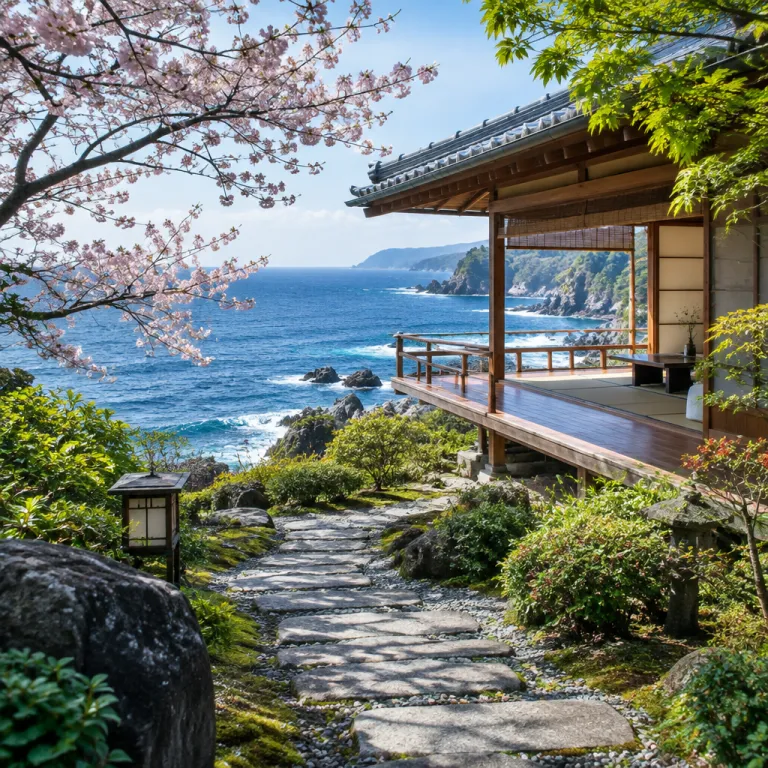
How luxury travelers from the United States define the best time of year to visit Japan
For a U.S. traveler planning high end stays, the best time of year to visit Japan is rarely just about the lowest rain or the mildest weather. You are balancing the right season for iconic cherry blossom views, the comfort level of weather Japan offers in each region, and the availability of premium rooms in cities such as Tokyo and Kyoto. Luxury guests also weigh how much time in transit they can accept, how many days they want in each city, and whether they prefer fewer tourists or a vibrant peak travel atmosphere.
When you plan to visit Japan from the United States, your calendar usually starts with work schedules and school breaks, then shifts quickly to the question of which season delivers the best mix of culture and comfort. The Japan National Tourism Organization and the Japan Meteorological Agency both indicate that late March to May and October to November often provide the best time balance between pleasant temperatures, manageable crowds, and rich cultural events, based on long term climate normals and visitor trends. For luxury and premium hotel booking, that same time of year also aligns with the highest demand, which means you must secure suites and club level rooms months in advance if you want the best views of cherry blossoms or autumn foliage.
Spring and fall are not the only answers when you ask about the best time of year to visit Japan, but they are the most requested by U.S. travelers booking five star properties. Many guests now design their time in Japan strategy around a split stay, pairing a few nights in Tokyo with several nights in Kyoto, then adding a short escape to hot springs resorts in Hakone or Hokkaido. This pattern lets them experience Japan spring cherry blossoms, fall foliage, and onsen culture in a single year, while still keeping flight times and internal travel segments efficient.
Season by season: matching Japanese climate to luxury hotel demand
Spring is the headline season for visiting Japan, and it strongly shapes luxury booking behavior from the United States. Late March through April is the classic blossom season, when cherry trees frame temples in Kyoto and parks in Tokyo, and when the phrase best time of year to visit Japan appears most often in search histories. During this period, peak travel demand pushes suite prices higher, and U.S. travelers who want the best rooms with direct cherry blossom views must often confirm reservations six to nine months ahead, especially at flagship properties in central Tokyo and around Kyoto’s historic districts.
Summer in Japan offers a different rhythm, with long days, vibrant festivals, and coastal escapes that appeal to families and younger luxury travelers. In cities such as Tokyo and Osaka, the heat humidity combination can feel intense, with hot humid afternoons that make rooftop pools and spa floors especially attractive. Many U.S. guests now use flexible premium booking tools to secure refundable rates in early summer, then adjust dates if the rainy season or typhoon forecasts from the Japan Meteorological Agency suggest uncomfortable weather patterns in Japan, relying on updated advisories and seasonal outlooks.
Autumn is increasingly popular with U.S. travelers who want fewer tourists and cooler air without winter chill. October and November bring comfortable time in Japan temperatures, with Tokyo average highs around 16.7 °C in November and significantly less rain than in October, according to long term Japan Meteorological Agency statistics, which encourages longer urban walks and temple visits. This same season is also ideal for combining a luxury stay in Kyoto with a side trip to hot springs resorts, and many travelers compare this timing with the best time to visit Spain for mild weather and culture before finalizing their Asia versus Europe plans.
Spring and fall in Japan: cherry blossoms, foliage, and U.S. luxury booking patterns
For many U.S. guests, Japan spring is the emotional answer to the question of the best time of year to visit Japan. Cherry blossoms in Tokyo usually reach full bloom around the end of March, while Kyoto often peaks slightly later, which allows careful planners to structure their time to visit so they see multiple blossom season phases in one trip. Luxury hotels respond by creating blossom themed afternoon teas, curated viewing terraces, and chauffeured transfers between Tokyo and Kyoto that appeal to travelers who value comfort as much as scenery.
Autumn has become a quiet favorite among repeat visitors who have already experienced cherry blossoms and now seek richer colors with fewer tourists. Peak foliage in Kyoto now often arrives in mid to late November, which aligns well with U.S. holiday schedules and encourages longer stays in ryokan style properties with private hot springs. Booking data from high end agencies in the United States shows that many American guests who stay in Kyoto in November request the same week again for the following year, reflecting how strongly this season resonates with luxury travelers and how quickly preferred suites are rebooked.
Both spring and fall are also the seasons when luxury travelers most actively compare Japan with other long haul destinations. They look at time of year patterns, weighing whether the best season to travel to Japan overlaps with school breaks, corporate quiet periods, or major events at home. Because these are peak travel windows, U.S. travelers who want the best suites, club lounges, and guaranteed late check out increasingly rely on specialized luxury and premium hotel booking platforms that can secure waitlist priority and added amenities during the busiest weeks.
Summer and winter Japan: when heat, snow, and fewer tourists reshape luxury choices
Summer in Japan divides opinion among U.S. travelers, yet it offers clear advantages for certain luxury segments. Families tied to school calendars often accept the hot humid conditions in cities such as Tokyo in exchange for longer trip durations and more flexible time to visit options. They offset the heat humidity by choosing hotels with strong air conditioning, indoor pools, and direct subway access, while scheduling outdoor sightseeing for early mornings and evenings.
From a booking perspective, the rainy season that usually runs from early June to mid July in much of Honshu can create both challenges and opportunities. Some U.S. travelers avoid this season entirely, while others use it to secure attractive rates at high end properties that would be fully booked during cherry blossom or fall foliage peaks. The Japan National Tourism Organization summarizes typical patterns as “Rain: early June to mid July; Typhoons: August through September,” and luxury travelers increasingly align their time in Japan plans with these clear seasonal markers when choosing dates and destinations.
Winter in Japan appeals strongly to U.S. travelers who enjoy snow sports, onsen culture, and quieter cities. Hokkaido ski resorts, Nagano mountain areas, and hot springs towns such as Hakone or Kusatsu see strong demand for suites with private outdoor baths, while Tokyo and Kyoto often feel calmer outside New Year holidays. For many, this season becomes their personal best time of year to visit Japan, because they enjoy fewer tourists, crisp weather conditions, and the contrast between snowy landscapes and steaming hot springs after a day on the slopes.
Aligning Japanese seasons with U.S. luxury and premium booking behavior
U.S. based luxury travelers rarely choose their time of year to visit Japan in isolation from their broader travel calendar. They compare the best time for visiting Japan with other long haul options, weigh loyalty program benefits, and consider how many days of paid time off they can allocate to a single trip. This holistic approach means that the same traveler might choose cherry blossom season for a first visit Japan experience, then return in winter for skiing and hot springs once they understand the country’s geography.
Booking data from high end platforms shows that Tokyo Kyoto combinations dominate first time Japan itineraries from the United States. Guests often allocate more time in Japan to Kyoto during fall, when temple gardens glow with red and gold leaves, and more nights to Tokyo during spring, when urban parks showcase cherry blossoms against skyscraper backdrops. In both seasons, travelers who want the best suites and club floors increasingly rely on curated platforms that specialize in luxury and premium hotel booking in the United States and abroad, because these services can secure upgrades, late check out, and flexible cancellation terms that standard channels cannot match.
Another clear trend is the rise of shoulder season experimentation among experienced U.S. visitors. After one or two peak travel trips, they start to value fewer tourists and quieter streets more than perfect blossom season timing, and they shift their best time of year to visit Japan toward early March, late May, or early December. These windows still offer comfortable weather Japan conditions in many regions, while giving luxury travelers better access to spa appointments, fine dining reservations, and private guides who are often fully booked during the busiest weeks.
How luxury booking platforms help U.S. travelers time their Japan stays
For a U.S. traveler booking premium hotels, the best time of year to visit Japan is now a data informed decision rather than a guess. Advanced platforms use climate normals from the Japan Meteorological Agency, festival calendars from the Japan National Tourism Organization, and historical occupancy data to suggest optimal time to visit windows for each city and travel style. They can highlight, for example, that Tokyo’s average high in November is about 16.7 °C with significantly less rain than in October, which makes that month appealing for urban explorers who dislike heat humidity.
Luxury and premium hotel booking websites in the United States increasingly integrate these Japanese season insights directly into their search tools. When you enter dates for visiting Japan, the system can flag whether you are hitting cherry blossom peaks, the rainy season, or major Japanese holidays such as Golden Week and Obon that drive peak travel surges. Some platforms also surface guidance on when to expect fewer tourists in specific neighborhoods, helping you decide whether to shift your time in Japan by a week or two to secure better rates and more tranquil stays.
For travelers who value personalization, these platforms now combine seasonal data with preference profiles. If you indicate that you enjoy hot springs, the system may suggest winter or late fall in mountain regions as your best time, while city focused food travelers might be steered toward Japan spring or October for comfortable walking weather and vibrant markets. Analyses of the next wave of luxury hotel booking show how similar personalization trends in the United States are now being applied to long haul destinations like Japan.
Practical timing tips for U.S. luxury travelers planning to visit Japan
Choosing the best time of year to visit Japan as a U.S. luxury traveler starts with clarifying your priorities. If cherry blossoms are essential, plan for late March to mid April, accept peak travel crowds, and use a premium booking service to secure rooms with direct park or river views in both Tokyo and Kyoto. If you prefer fewer tourists and cooler air, target late October to late November, when foliage peaks in Kyoto and the weather Japan offers comfortable daytime temperatures for long walks.
Travelers who dislike hot humid conditions should avoid the height of summer in major cities, or at least focus on coastal or highland areas where heat humidity feels less intense. Those who enjoy snow, onsen culture, and quieter streets will often find winter their personal best time, especially from mid January to early February when both crowds and prices tend to ease. In every case, aligning your time of year choice with clear seasonal patterns, such as the rainy season in June or the typhoon risk in late summer, will help you protect both comfort and value.
Finally, remember that Japan spans multiple climate zones, so the best time of year to visit Japan for one region may not match another. Okinawa warms earlier, Hokkaido stays colder longer, and the Tokyo Kyoto corridor sits in between, which means a single trip can cross several micro seasons if you plan your time in Japan carefully. By combining reliable data from the Japan National Tourism Organization and the Japan Meteorological Agency with the tailored support of a luxury and premium hotel booking website in the United States, you can match your ideal season, your preferred style of visiting Japan, and your desired level of service into one coherent, rewarding itinerary.
Key figures on seasons, weather, and timing for Japan trips
- Tokyo’s average high temperature in November is about 16.7 °C, according to long term Japan Meteorological Agency data, which offers comfortable conditions for city walks compared with the hotter months.
- Average rainfall in Tokyo drops from roughly 235 mm in October to about 96 mm in November, based on Japan Meteorological Agency climate statistics, making late autumn a drier and often more pleasant time of year to visit Japan for outdoor sightseeing.
- Cherry blossom season in many major Japanese cities typically runs from late March to mid April, while Okinawa blooms earlier and Hokkaido later, so travelers who move northward can extend their blossom viewing time.
- Autumn foliage in Kyoto often peaks from mid November into early December, which aligns well with many U.S. travelers’ vacation schedules and supports longer luxury stays focused on gardens and temples.
- Periods with generally fewer tourists and lower prices often fall in mid January to early February and parts of June before the rainy season fully sets in, which can be attractive windows for value focused luxury travelers.
Frequently asked questions about the best time of year to visit Japan
When is cherry blossom season in Japan for most travelers?
In much of Honshu, including Tokyo and Kyoto, cherry blossom season usually runs from late March to mid April, with full bloom often arriving around the end of March in Tokyo and slightly later in Kyoto. Okinawa tends to bloom earlier in the year, while Hokkaido blooms later, so travelers who move northward can extend their viewing period. Because this is a peak travel window, luxury hotels in major cities often sell out months in advance.
What months offer the best balance of weather and crowds?
Late March to May and October to November often provide the best balance between pleasant temperatures, manageable rainfall, and moderate crowd levels in many Japanese regions. Within this range, late October and November can be especially comfortable in Tokyo, with cooler air and less rain than early autumn. Travelers who prioritize fewer tourists may prefer early March, late May, or early December, when demand is slightly lower but conditions remain appealing.
How does the rainy season affect luxury travel plans in Japan?
The main rainy season in much of Honshu typically runs from early June to mid July, bringing more frequent showers and higher humidity. Some luxury travelers avoid this period, while others use it to secure better rates at high end properties that would be fully booked during cherry blossom or foliage peaks. Flexible booking policies and indoor focused itineraries, such as spa days and fine dining, can make this season workable for travelers who are less sensitive to rain.
When are hotel prices generally lower for high end stays?
Prices at luxury properties often ease in mid January to early February, outside New Year holidays, and again in parts of June before the rainy season fully intensifies. Winter periods outside major holidays can be especially good value in cities such as Tokyo and Kyoto, while ski and hot springs resorts may still command strong rates. Using a premium booking platform that tracks seasonal demand can help identify specific weeks with the best combination of rates and availability.
Is winter a good time of year to visit Japan for non skiers?
Winter can be an excellent time to visit Japan even if you do not ski, especially if you enjoy hot springs, seasonal cuisine, and quieter city streets. Many onsen towns feel particularly atmospheric in cold weather, and urban areas often have fewer tourists outside New Year celebrations. Travelers who pack warm layers and plan mostly indoor cultural activities often find winter their personal best time of year to visit Japan.