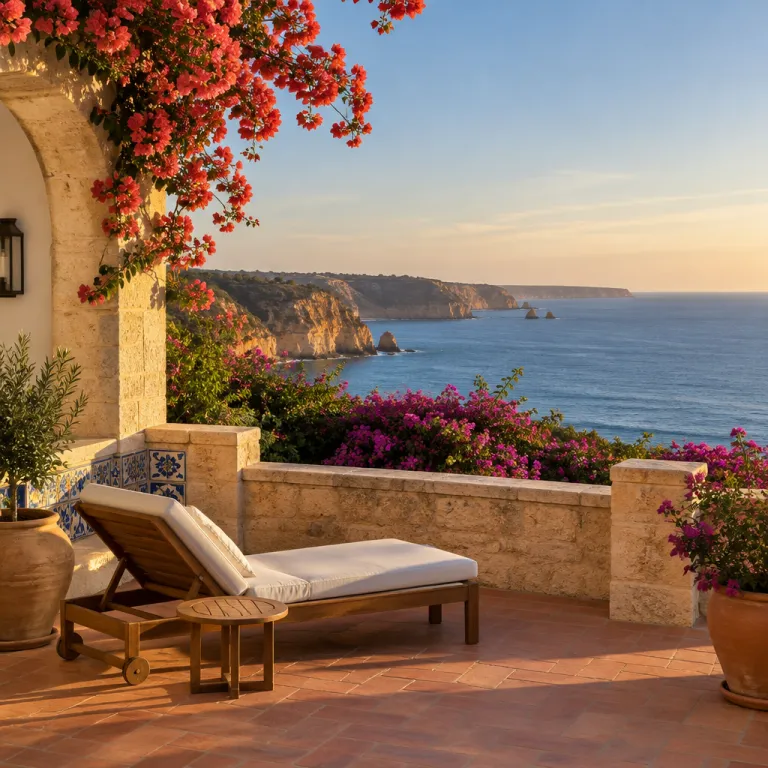
Understanding the best time to visit Portugal from a U.S. traveler’s lens
For a U.S. traveler planning a luxury stay, the best time to visit Portugal depends on how you balance climate, crowds, and hotel style. Many seasoned guests consider late spring and early fall the ideal season for refined city breaks, vineyard retreats, and coastal resorts with attentive service. When you align your trip dates with these shoulder months, you gain pleasant weather, softer rates, and a calmer atmosphere without sacrificing access to top-tier properties.
From April to June, spring brings mild temperatures, longer days, and a relaxed rhythm that suits slow travel and elevated hospitality. In Lisbon, average daytime highs hover around 68–75 °F (20–24 °C), with relatively low rainfall, which makes this period especially comfortable for walking tours and terrace dining. This is often the best time to visit if you want to pair Michelin-starred dining in Lisbon with spa suites overlooking the Douro, while still being able to avoid crowds at major landmarks.
During this season, the country reveals its most polished side, with luxury hotels offering curated experiences such as private river cruises in the Douro Valley or chauffeured tastings in historic wine lodges. Flagship properties like The Yeatman in Vila Nova de Gaia or Six Senses Douro Valley near Lamego often structure harvest-focused packages around late summer and early fall. Planning ahead for these windows helps you secure suites with river views, rooftop plunge pools, or butler service that might be fully booked in high summer.
Season by season: how Portugal weather shapes luxury hotel choices
Each season creates a different canvas for luxury and premium stays, so timing your visit is as strategic as choosing your hotel brand. In spring and fall, weather is generally mild, with daytime temperatures in Lisbon often around 59–70 °F (15–21 °C), which makes terrace breakfasts and riverside strolls especially appealing. These months are the best season for travelers who want to combine cultural depth with elevated comfort, rather than chase only beach heat or nightlife.
Summer brings long sunny days and a festive mood, but it also ushers in the peak season for both tourism and pricing in many coastal regions. In July and August, highs in Lisbon and Porto frequently reach 82–86 °F (28–30 °C), while the Algarve can feel hotter, especially inland. If you plan a summer trip focused on private cabanas, infinity pools, and yacht charters, consider the Atlantic breeze of the Azores or the higher elevations of the Douro Valley to temper the heat and humidity.
For value-conscious luxury travelers, the sweet spot usually falls in late May, June, September, and early October. These shoulder months bring good weather, fewer cruise ship arrivals, and a calmer pace in popular districts, yet still allow for pool time and outdoor dining. Many U.S. guests now pair a few nights in Lisbon or Porto with a stay at a countryside estate, then add a wilderness-style retreat such as the experiences described in this guide to sleeping under canvas when the boundary between hotel and wilderness disappears.
Winter in mainland Portugal is often surprisingly good for luxury city breaks, especially for travelers used to harsher North American winters. Typical winter daytime temperatures in Lisbon stay around 57–59 °F (14–15 °C), with average rainfall peaking between November and January but rarely disrupting full days of sightseeing. When you time visit plans for winter, you gain access to attractive suite upgrades, attentive service, and quieter lobbies, making it a great time for spa-focused stays and extended weekends.
Hidden gem stays: where luxury travelers quietly upgrade their Portugal trip
Beyond Lisbon and Porto, some of the most rewarding places for a luxury trip are the quieter regions that rarely appear on first-time itineraries. The Douro Valley, with its terraced vineyards and river bends, offers secluded estates where you can arrange private tastings, helicopter transfers, and chef-led picnics among the vines. Planning your best time to visit around harvest in early fall, typically late September through early October, can turn these days into immersive, sensory experiences.
The Azores islands provide a different kind of luxury, built around space, silence, and elemental landscapes rather than glitz. Here, the best time for many U.S. travelers is late spring to early summer, when weather in the mid-Atlantic is mild, hydrangeas bloom, and whale watching pairs beautifully with geothermal spa rituals. Because this archipelago remains outside the most intense peak-season flows, it is easier to avoid crowds while still enjoying high-end lodges and farm-to-table dining.
Madeira blends resort sophistication with dramatic scenery, making it a strong candidate for repeat visitors who already know Lisbon and Porto well. Many guests from the United States time visit plans for Madeira in shoulder months, when the climate is warm, humidity is manageable, and sea conditions favor sailing and coastal hikes. If you enjoy refined coastal escapes in places like the Caribbean, you may appreciate comparing Madeira’s clifftop retreats with the curated stays highlighted in this guide to refined Caribbean coastal resorts, then using that benchmark to choose your best options.
For travelers who want to deepen their understanding of domestic versus international hotel choices, it can be helpful to read perspectives such as this analysis of domestic hotel travel trends before committing to a long-haul trip. That context clarifies when a year-round local escape might rival a long flight to Europe, and when the cultural payoff justifies the extra distance. With that framework, you can decide whether your next great time away should be a short hop or a transatlantic journey.
Aligning Portugal’s regions with your luxury travel style
Choosing the best time to visit Portugal also means matching each region’s character with your preferred style of luxury. Lisbon offers grand hotels in historic palaces, rooftop pools with river views, and easy access to day trips, which makes it ideal for first-time visitors who want a polished yet urban base. Properties such as Four Seasons Hotel Ritz Lisbon or Bairro Alto Hotel illustrate how classic service and contemporary design can coexist within walking distance of major sights.
Porto, by contrast, leans into wine heritage and intimate riverside properties, which suits travelers who value gastronomy and design-forward spaces. The Douro Valley rewards those who prioritize slowness, privacy, and curated experiences over nightlife, with estates like Six Senses Douro Valley or The Vintage House Hotel offering vineyard walks and river cruises. Many U.S. travelers plan three or four days here during spring or fall, using the mild weather to enjoy outdoor activities without the intensity of summer heat.
When you visit with this kind of layered itinerary, you can move from city energy to rural calm in a single trip, while keeping transfer times manageable. Madeira and the Azores islands appeal to travelers who see luxury as access to nature with comfort rather than formality. On Madeira, the best season often runs from late spring to early fall, when levada trails are dry and ocean conditions favor sailing, while the Azores reward flexible travelers who accept some weather variability in exchange for dramatic scenery.
If you value year-round options, these islands help extend the practical time visit window, especially when mainland conditions feel too hot or too cool for your taste. Direct overnight flights from East Coast hubs such as New York or Boston to Lisbon typically take around 6.5 to 7 hours, while connections from West Coast cities often require 12 to 14 hours with one stop. Factoring these flight times into your planning helps you decide how many regions to include without overloading your schedule.
Timing for value: how to avoid crowds and secure premium stays
For many U.S.-based travelers, the best time to visit Portugal is the moment when value, comfort, and availability intersect. July and August form the clear peak season, especially in coastal areas, which pushes rates higher and makes it harder to secure top-tier suites at short notice. If your dates are flexible, shifting your trip into late May, June, September, or early October can significantly improve both choice and price while preserving warm, sunny days.
These shoulder months bring good weather, fewer cruise ship arrivals, and a calmer pace in popular districts. You still enjoy long days for sightseeing and pool time, but you can avoid crowds at major sites, from Lisbon’s Belém district to Porto’s riverfront, by planning early morning or late afternoon visits. Many luxury hotels respond to this seasonal pattern with value-added offers, such as complimentary breakfasts, spa credits, or private transfers that are rarely available in high summer.
Winter and late fall are the best season for travelers who prioritize quiet over heat and who are comfortable with some rain, especially in the north. During this period, weather can be changeable, yet the trade-off is attractive rates, more attentive service, and easier last-minute upgrades in both city and countryside properties. If you are used to U.S. holiday pricing, you may find that a carefully timed winter visit delivers a level of luxury that would cost far more in many domestic destinations.
Practical planning tips for U.S. luxury travelers heading to Portugal
When you plan the best time to visit Portugal from the United States, start by mapping your preferred climate against your desired experiences. If you want poolside afternoons, vineyard lunches, and city strolls in light layers, aim for spring or early fall, when temperatures are mild and humidity is manageable. Travelers focused on beach clubs and late-night terraces may still prefer high summer, but should book far ahead and accept the realities of peak season.
Think in terms of trip segments rather than a single base, especially if you have 10 to 14 days. A refined itinerary in mid-September, for example, might include four nights in Lisbon, two in Porto, three in the Douro Valley, and three on Madeira, giving you a balanced view of seasonal variations in one journey. This structure allows you to experience both urban and rural luxury, while also testing how Portugal best fits into your broader year-round travel portfolio.
Finally, remember that the best time for you is not only about climate charts, but also about your personal rhythm and tolerance for activity. Some travelers thrive on the energy of spring and summer festivals, while others prefer the introspective calm of winter city breaks with long spa sessions and tasting menus. By aligning your own preferences with reliable data on weather and crowd patterns, you can turn a simple time-visit decision into a thoughtfully curated experience that feels tailored rather than generic.
Key figures on timing your luxury trip to Portugal
- Only two months, July and August, form the core peak season, which concentrates the highest prices and densest crowds into a relatively short window for most coastal destinations.
- Four months, from April to June and September to October, are widely regarded as the sweet spot for balancing weather, value, and availability, especially for luxury and premium hotel stays.
- Typical winter daytime temperatures in Lisbon hover around 57–59 °F (14–15 °C), which makes winter city breaks far more comfortable than in many U.S. and Northern European cities during the same period.
- Beach-focused stays in regions like the Algarve usually work best from mid-June through early October, when sea temperatures and daylight hours support full days by the water.
- The cheapest time to visit, excluding major holidays, generally runs from mid-November through February, when lower demand allows luxury properties to offer more competitive rates and added value.
FAQ about the best time to visit Portugal for luxury stays
What is the single best month to visit Portugal for a luxury trip?
Many experienced travelers rate September as the best overall month to visit Portugal for luxury stays. The weather remains warm, the ocean is still pleasant for swimming, and peak-season crowds have started to thin, which improves both service levels and suite availability. May and June are close contenders if you prefer fresher air and earlier sunsets.
When is the cheapest time to book luxury hotels in Portugal?
The most budget-friendly period for high-end hotels usually runs from mid-November through February, excluding festive holidays and major events. During this time, demand drops, especially outside Lisbon and Porto, which encourages properties to release attractive offers and upgrades. If you are flexible on weather and can accept some rain, this window can deliver exceptional value.
Is summer too crowded for a premium Portugal experience?
Summer, especially July and August, is the peak season in many Portuguese destinations, so popular areas can feel busy. However, with early booking and careful selection of properties that emphasize privacy, such as countryside estates or island retreats, you can still enjoy a refined experience. Travelers who want to avoid crowds entirely may prefer late spring or early fall instead.
How many days should a U.S. traveler plan for a first luxury visit?
A well-paced first visit from the United States usually lasts between 10 and 14 days. This allows time for at least two cities, such as Lisbon and Porto, plus a stay in the Douro Valley or on Madeira, without rushing. Shorter trips are possible, but they often require focusing on one region to maintain a relaxed, premium feel.
Are Portugal’s islands like Madeira and the Azores good year round?
Madeira and the Azores offer year-round appeal, but conditions vary by season. Madeira tends to be more consistently mild, which supports luxury stays in most months, while the Azores can be more changeable, rewarding travelers who value dramatic landscapes over guaranteed sunshine. For both islands, late spring to early fall usually provides the most stable balance of good weather and calm seas.