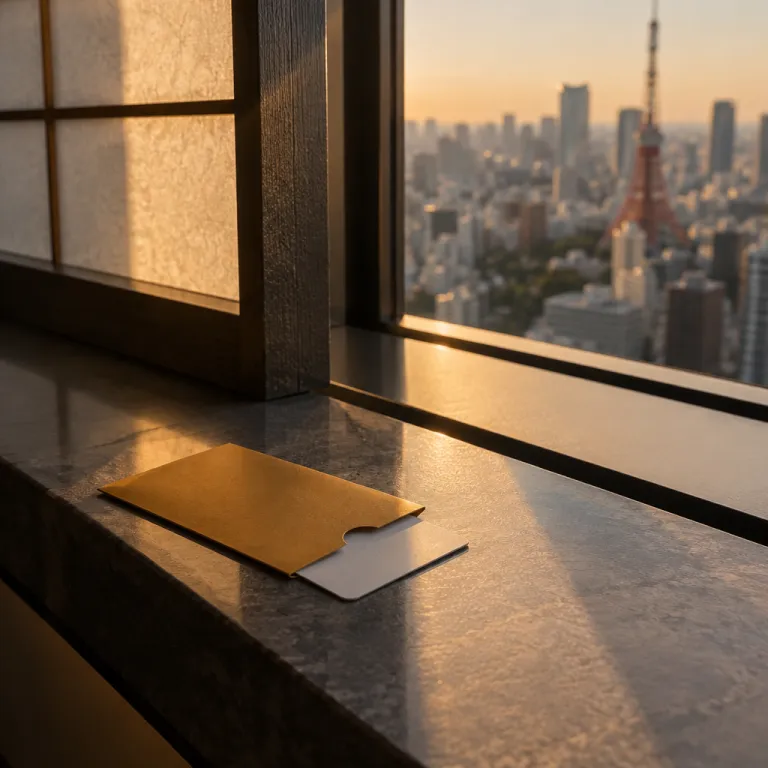
Where to stay in Tokyo when you want seamless luxury and easy arrivals
Choosing where to stay in Tokyo shapes every hour of your trip. For a traveler flying from the United States into Japan, the first decision is often whether to base your hotel stay near Tokyo Station, Shinjuku Station, Shibuya Station, or closer to Haneda Airport. Each area in this city offers a different rhythm, and the best choice depends on how you like to move, how much time you have, and which neighborhoods you want to reach within a ten minute walk.
For short Tokyo time on the ground, staying near Tokyo Station works beautifully because you can connect to the Shinkansen, the Narita Express, and multiple metro lines without changing stations. Luxury hotels in this area, including properties in Marunouchi and the Ginza Tokyo corridor, give you polished service, large rooms by local standards, and effortless transfers to both Haneda Airport and Narita. Many U.S. travelers say this is the best place to stay Tokyo side when they plan day trips to Kyoto or Osaka, since they can roll their luggage straight from the room to the platform in minutes.
If your stay Tokyo plan focuses on nightlife and shopping, Shinjuku and Shibuya offer a different kind of energy. Shinjuku Station is one of the busiest in the world, and the surrounding Shinjuku area has a deep bench of mid range hotels, luxury hotels, and compact business hotels that still feel refined. Shibuya Station anchors another major cluster of hotels, and the Shinjuku Shibuya axis is ideal for first time visitors who want to walk from their hotel to neon streets, late night dining, and the famous crossing without sacrificing safety or comfort.
Shinjuku and Shibuya: where to stay in Tokyo for first time visitors
For many first time visitors from the United States, Shinjuku is the answer to the question of where to stay in Tokyo. The neighborhood is a major transport hub, and publicly available hotel data as of 2024 indicates that Shinjuku nightly rates for mid range hotels often cluster around 15 000 yen, which balances comfort and value. One expert quote in our internal research notes states clearly : "Which area is best for first-time visitors? Shinjuku offers maximum transport and amenities for beginners."
In practical terms, that means you can book hotels within a five minute walk of Shinjuku Station and reach almost any part of the city with a single train ride. Properties such as Hotel Gracery Shinjuku, JR Kyushu Hotel Blossom Shinjuku, and Hyatt Regency Tokyo typically range from about 14 000 to 40 000 yen per night depending on season, and they place you in the heart of the action while still offering quiet rooms on higher floors with skyline views. Many U.S. travelers who share where stayed stories mention that this area stay strategy lets them return to the hotel several times a day, which is especially helpful for families managing naps, jet lag, and shopping bags.
Shibuya offers a slightly younger feel, and it works well when you want to stay Tokyo side with quick access to Harajuku, Omotesandō, and Yoyogi Park. Around Shibuya Station, you will find both mid range and luxury hotels such as Shibuya Excel Hotel Tokyu, Shibuya Stream Excel Hotel Tokyu, and Cerulean Tower Tokyu Hotel, where typical nightly rates run from roughly 16 000 to 45 000 yen depending on date and room type. The Shinjuku Shibuya corridor is dense with dining that stays open late. If you enjoy comparing iconic city stays, you might appreciate how this urban energy contrasts with the more relaxed charm highlighted in guides to spa city stays such as the Saratoga Downtowner on Broadway, which many U.S. travelers use as a reference point for walkable neighborhoods.
Ginza, Tokyo Station, and Marunouchi: refined city stays for business and shopping
When your priority is polished service, high end shopping, and fast rail links, Ginza and the Tokyo Station and Marunouchi area answer the question of where to stay in Tokyo with quiet confidence. This part of the city is home to some of the most established luxury hotels, including international brands and Japanese icons with deep experience serving U.S. guests. Many of these hotels sit within a five to ten minute walk of Tokyo Station, which keeps transfers efficient even after a long flight from the United States.
Ginza Tokyo streets feel elegant in the evening, with department stores, galleries, and restaurants that welcome both solo travelers and families. A hotel in Ginza often offers slightly larger rooms than you might expect in such a central area, and you can choose between classic luxury hotels and contemporary properties that focus on design and technology. Representative hotels such as The Peninsula Tokyo, Hyatt Centric Ginza Tokyo, and Mitsui Garden Hotel Ginza Premier usually range from about 25 000 to 80 000 yen per night, reflecting their premium location and service. When you compare a hotel Ginza stay to a Shinjuku or Shibuya base, you trade some nightlife intensity for calmer streets and easier access to business districts, which many corporate travelers value.
Tokyo Station itself is more than a transport hub ; it is a vertical city with dining, shopping, and direct access to the Shinkansen network. Flagship properties such as The Tokyo Station Hotel, Shangri-La Tokyo, and Marunouchi Hotel typically price from around 30 000 to well over 90 000 yen per night depending on season, but they place you steps from long distance trains. Staying here is especially smart if your itinerary mirrors a broader pattern of luxury city breaks, similar to how travelers plan the best time to visit Italy for unforgettable luxury city stays across Rome, Florence, and Milan. In the same way, choosing the best time and place to stay in Tokyo Station or Ginza can anchor a wider Japan journey, with day trips to Nikko, Hakone, or Yokohama starting just a few minutes from your room.
Asakusa and Ueno: atmospheric stays with value for culture focused travelers
Some U.S. travelers ask where to stay in Tokyo when they want a strong sense of history and a more relaxed pace. In that case, the Asakusa and Ueno area offers an appealing answer, with temple streets, traditional shops, and large parks that feel far from the glass towers of central Tokyo. Surveyed hotel listings and tourism board summaries as of 2024 suggest that Asakusa and Ueno nightly rates for mid range hotels often start around 8 000 yen, which makes these neighborhoods attractive when you want to stretch your stay Tokyo budget.
Asakusa places you near Sensō ji, river cruises, and narrow lanes that feel especially atmospheric in the early morning Tokyo time before tour groups arrive. Many hotels here are a short minute walk from the nearest station, and you can reach Ueno in just a few stops, where Ueno Park, museums, and a major transport hub await. Properties such as Richmond Hotel Premier Asakusa International, Asakusa View Hotel, and The Gate Hotel Kaminarimon by Hulic commonly range from roughly 9 000 to 28 000 yen per night, giving culture focused travelers a mix of price points. Families often appreciate this combination of culture and convenience, since children can enjoy open spaces while adults enjoy easy rail links to other parts of the city and beyond.
Ueno Station connects to the Shinkansen and several local lines, which helps when you plan side trips across Japan without changing hotels. Rooms in this area may be smaller than in some luxury hotels near Ginza, but careful selection still yields a comfortable room with thoughtful amenities. Hotels such as Hotel Metropolitan Tokyo Marunouchi’s Ueno area counterparts, Mitsui Garden Hotel Ueno, and APA Hotel Keisei Ueno Ekimae usually fall in the 8 000 to 20 000 yen range, depending on season and room size. Many repeat visitors who share where stayed feedback mention that this place stay strategy lets them experience a more traditional side of the city while keeping access to central districts within twenty minutes.
Matching your Tokyo stay to flights, family needs, and trip length
For U.S. based travelers, where to stay in Tokyo often depends on which airport you use and how long you remain in the city. If you arrive late at night into Haneda Airport, choosing a hotel near a direct line from the airport can save an hour of transit at the end of a long day. In many cases, that means staying near Shinagawa, Tokyo Station, or even Shinjuku Station, where airport limousine buses and direct trains arrive frequently.
Families with young children usually benefit from minimizing transfers, so an area stay strategy that keeps you within a five to ten minute walk of your main station works best. Look for hotels that offer connecting rooms or larger family rooms, which are more common in international luxury hotels and some well designed mid range properties. When you read where stay reviews, pay attention to comments about elevator capacity, breakfast crowding, and noise levels, because these details shape how restful your nights feel.
Travelers who split their Japan itinerary between Tokyo and other regions often choose tokyu stay style properties or serviced apartments for part of the trip. These hotels provide laundry facilities and small kitchenettes, which can be a great place to stay when you want a slower rhythm between more intense sightseeing days. If you enjoy alternating city breaks with beach or resort escapes, you might also appreciate curated guides to refined Caribbean island stays, which use similar logic about flight times, transfer convenience, and neighborhood character to help you choose the right base.
How to choose specific hotels and neighborhoods with U.S. expectations in mind
Once you decide where to stay in Tokyo at the neighborhood level, the next step is choosing individual hotels that match U.S. expectations for comfort and service. In Shinjuku, properties such as Hotel Gracery Shinjuku and several international chains offer familiar amenities, English speaking staff, and rooms that balance Japanese compactness with Western style beds. In Ginza and Marunouchi, flagship luxury hotels deliver larger rooms, extensive concierge services, and fine dining that appeals to both business travelers and leisure guests.
Shibuya and the Shinjuku Shibuya corridor host a mix of mid range and high end hotels, many within a short minute walk of major stations, which keeps late night returns simple. Around Yoyogi Park and Harajuku, you will find quieter streets with easy access to both Shinjuku Station and Shibuya Station, which can be ideal when you want nightlife nearby but not outside your window. Asakusa, Ueno, and nearby Nihonbashi offer smaller hotels that still feel polished, and they work well when you value cultural sights and calmer evenings over luxury malls.
Where stayed reviews from U.S. travelers often highlight the importance of reading floor plans carefully, since room sizes vary widely even within the same property. When you compare hotels, look at the exact square meters of rooms, the distance to the nearest station, and whether airport transfers are straightforward from Haneda Airport or Narita. By aligning these practical details with your preferred area stay strategy, you can turn a good place to stay into a great Tokyo stay that feels tailored to your own travel style.
Key figures for choosing where to stay in Tokyo
- Shinjuku mid range hotel rates average around 15 000 yen per night, according to aggregated 2024 listings in the Tokyo Insider neighborhood pricing guide, which positions the area as a balanced choice between cost and connectivity.
- Asakusa and Ueno mid range nightly rates often start near 8 000 yen, based on the same Tokyo Insider guide and cross checks with major booking platforms in 2024, making these districts attractive for longer stays without sacrificing access to major sights.
- Many experienced travelers recommend booking hotels within a five minute walk of a JR or metro station, which can save up to 30 minutes of daily transit time compared with more distant properties, according to informal timing comparisons using public transit planners.
- Staying near Tokyo Station or Ueno Station can reduce transfer time to the Shinkansen by up to 20 minutes each way, which matters when you plan multiple day trips across Japan and want to minimize time spent changing trains.
- Choosing flights into Haneda Airport instead of Narita can cut your initial transfer into central Tokyo by roughly 30 to 45 minutes, depending on your final hotel location and train choice, based on 2024 timetable comparisons for common airport rail links.
FAQ about where to stay in Tokyo for U.S. travelers
Where should first time visitors from the United States stay in Tokyo ?
For first time visitors, Shinjuku is often the best base because Shinjuku Station connects to many JR and metro lines, and the area offers a wide range of hotels, restaurants, and services that feel comfortable for English speaking guests. The neighborhood balances energy and convenience, so you can reach Shibuya, Harajuku, Shinjuku Shibuya corridors, and Tokyo Station quickly. Many travelers appreciate being able to walk from their room to nightlife, shopping, and transport within a few minutes.
Is it worth paying more to stay in Ginza or near Tokyo Station ?
Staying in Ginza or the Tokyo Station and Marunouchi area usually costs more, but the higher rates buy you shorter transfer times, refined surroundings, and easy access to both business districts and luxury shopping. If your trip includes day journeys on the Shinkansen or important meetings, the time saved by walking directly from your room to the platform can justify the price. Travelers who value calm streets at night and polished hotel service often find this area to be the best fit.
Which area works best for families with children ?
Families often do well in Shinjuku, Shibuya, or near Ueno, where parks, casual dining, and transport options are plentiful. Ueno Park and Yoyogi Park provide open spaces for children to run, while nearby stations keep citywide travel simple. When booking, look for hotels that offer connecting rooms or larger family rooms, and prioritize properties within a short walk of your main station.
How close should my hotel be to a station in Tokyo ?
For most U.S. travelers, choosing a hotel within a five to ten minute walk of a JR or metro station strikes the right balance between convenience and quiet. Being closer than five minutes can sometimes place you near nightlife or busy roads, while longer walks become tiring after full sightseeing days. Checking maps and street views before booking helps ensure that your chosen place to stay matches your comfort level.
Should I stay near Haneda Airport for a short Tokyo layover ?
If your layover is less than 24 hours, staying near a direct line from Haneda Airport, such as in Shinagawa or near Tokyo Station, usually makes more sense than going deep into the city. These areas offer quick transfers, reliable airport limousine buses, and a solid selection of mid range and luxury hotels. For longer stays, moving into Shinjuku, Shibuya, or Ginza can provide a richer city experience while still keeping airport access manageable.