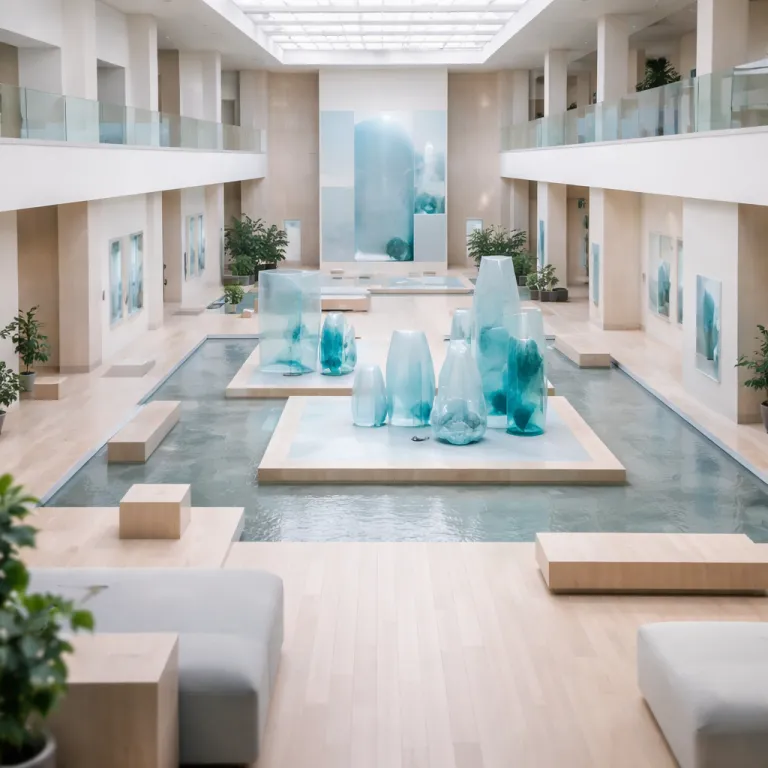
Why hotel design trends 2026 put the lobby center stage
Across American hospitality, hotel design trends 2026 are turning the lobby into a stage rather than a corridor. Designers and hotel owners now treat this space as the first act of the guest experience, with hospitality design teams using research, collaboration and implementation phases to test what makes guests feel instantly at ease. As evolving guest expectations push hotels to improve comfort, enhance aesthetics and promote sustainability, the lobby becomes the clearest expression of the design trends shaping how couples choose where to stay.
In New York City, several luxury hotels curate their hotel lobby like a gallery, commissioning interiors that mix bold art, layered materials and sculptural hotel furniture. At The Whitby Hotel in Midtown, for instance, designer Kit Kemp layers large scale artworks with patterned textiles and intimate seating zones so each corner feels both theatrical and quietly private for a couple planning the evening. Designers, architects and technology providers work together with hotel owners to create environments where the space feels alive from morning coffee to late night bar service, and where guests feel they have arrived somewhere with a point of view.
Data from Hospitality Design magazine’s 2023 “Sustainability in Hospitality” survey (Summer 2023 issue, pp. 42–49, hospitalitydesign.com) shows that roughly three quarters of hotels are adopting sustainable practices, and this is reshaping hotel design from the ground floor up. In parallel, the 2023 Tech in Hospitality Benchmark Report by Oracle Hospitality and Skift (published June 2023, oracle.com/hospitality and research.skift.com) notes a significant increase in smart hotel rooms, which means the lobby must now match the intuitive comfort of the guest room with touchless check in, lighting scenes and integrated social media moments. These design trends are not about short term spectacle; they are about creating spaces that build long term guest satisfaction and loyalty by making every arrival feel like a considered experience rather than a transaction.
Gallery style lobbies and immersive art in New York City
New York hotels are at the forefront of hotel design trends 2026, especially where the lobby is curated like a gallery with rotating installations. In Midtown and downtown, hospitality design teams program seasonal exhibitions, performance pieces and large scale digital works so that returning guests experience a new visual narrative each visit. Biophilic design, which incorporates natural elements such as plants, daylight and organic textures to connect occupants with nature, now appears alongside bold art to soften stone and glass.
Maximalist interiors now dominate these hotel lobby concepts, with rich materials, layered textiles and custom furniture that make the spaces feel like living rooms for the city. At PUBLIC Hotel on the Lower East Side, for example, Ian Schrager’s team uses saturated color, reflective surfaces and dramatic lighting to frame the bar, the concierge desk and the lounge as distinct spaces, each with its own mood and view. This approach to hotel design uses art and interior design as tools for creating spaces where guests feel part of a cultural scene, not just passing through a check in zone.
For couples, the guest experience begins the moment they step into these environments and sense how the space feels curated for conversation, people watching and quiet moments between museum visits. Social media plays a role, of course, as guests share images of striking hotel furniture, sculptural staircases and immersive installations, but the best hotels balance Instagram ready corners with genuine comfort. If you are pairing a New York stay with a West Coast escape, consider how Los Angeles properties use rooftop venues and music led concepts, and explore elegant two bedroom suites in Los Angeles for refined urban stays through our dedicated guide at this curated Los Angeles suites selection.
Sound, rooftop culture and wellness focused design in Los Angeles
On the West Coast, Los Angeles hotels interpret hotel design trends 2026 through sound, skyline views and wellness focused amenities that start in the lobby. Several new openings build hospitality design concepts around music, using curated playlists, live sets and acoustic treatments so that public spaces feel like intimate listening rooms rather than echoing halls. Smart room technology enhances the guest experience by allowing couples to control lighting, temperature and entertainment from their devices, extending the sense of intuitive comfort that begins in the lobby.
Rooftop bars and pools in Los Angeles now connect directly to the lobby narrative, with vertical circulation, lighting and materials tying the ground floor to the sky deck. At The Hoxton, Downtown LA, for instance, the elevator journey from a lush, art filled hotel lobby to the rooftop bar with a panoramic view reveals a continuous design language, from furniture silhouettes to eco conscious planting schemes. These environments are designed for couples who want the guest experience to flow from check in Negroni to late night swim without ever feeling like they have left the same carefully considered space.
Wellness is another strong thread in hotel design trends 2026, and Los Angeles leads with wellness focused lobbies that integrate scent, sound and greenery before you even reach the spa. Properties are creating spaces where the space feels calm through biophilic design, natural materials and soft seating that invite a slower pace after a long flight. To go deeper into how wellness is shaping future hospitality, explore our feature on how the wellness hotel just got serious at this in depth wellness hotel guide, which explains why eco conscious guests now expect recovery rituals alongside rooftop cocktails.
Biophilia, sustainability and the rise of expressive maximalism
Across the United States, biophilic design is one of the clearest hotel design trends 2026, especially in lobbies where first impressions matter. Living walls, indoor trees and garden lounges are no longer reserved for resort spaces; city hotels now use these natural environments to soften marble floors and tall ceilings. Sustainability is important in hotel design because it reduces environmental impact, supports healthier interiors and appeals to eco conscious travelers who want their stay to align with their values.
Designers are selecting materials with lower environmental impact, from recycled stone to responsibly sourced timber, and pairing them with hotel furniture that feels substantial and timeless. The Delano Miami Beach redesign by Enzo Enea’s landscape studio, for example, uses garden lounges as sculptural outdoor spaces, showing how hospitality design can merge interiors and exteriors into one continuous guest experience. These design trends are shaping future expectations for couples who want their hotel to feel both glamorous and eco conscious, with spaces that age gracefully over the long term rather than chasing short lived fashions.
Maximalism is winning over minimalism in many American hotels because guests now seek character, not blankness, when they travel. Rich color, layered textiles and expressive art help spaces feel memorable, while thoughtful planning ensures that every space feels comfortable and intuitive to navigate. For travelers using my-usa-stay.com, the key is to look for hotels where creating spaces with strong identity never compromises comfort, where the hotel lobby, bar and lounge each offer a distinct experience yet still feel like parts of the same story.
How couples can read hotel design trends 2026 when booking
For a couple planning a romantic stay, understanding hotel design trends 2026 can turn a good trip into a great one. Before booking, research hotel design trends and check whether the hospitality design aligns with your own preferences for art, wellness and technology. Look for signs that designers, hotel owners and guests are part of a feedback loop, with Q1 trend analysis, Q2 implementation, Q3 guest feedback and Q4 refinement leading to higher guest satisfaction over time.
When you browse photos, pay close attention to the hotel lobby, the bar and the transitional spaces between them, because these often reveal how seriously a property takes the guest experience. Does the interior design show a coherent use of materials, furniture and lighting, or does it feel like a collection of unrelated trends shaping a confusing narrative? Strong hotel design will make spaces feel intuitive, with clear sightlines, comfortable seating and a balance between social energy and quiet corners where guests feel they can retreat together.
Social media can be a useful filter, but it should not be the only one, because some hotels design for the camera rather than for long term comfort. Read reviews that mention how the space feels at different times of day, whether eco conscious features are more than decorative, and how staff use the lobby to host events or local culture programming. By focusing on creating spaces that work for real life as well as for images, you will find hotels where hospitality design genuinely enhances your stay and where the lobby becomes a place you remember as clearly as the room itself.
FAQ
How can I tell if a lobby reflects serious hotel design trends 2026?
Look for a clear design narrative that links the lobby, bar and adjacent spaces through consistent materials, lighting and furniture rather than random decorative pieces. Serious hospitality design usually integrates art, technology and comfort in ways that feel intuitive rather than staged. If the space feels welcoming at multiple times of day and supports both socializing and quiet moments, it likely reflects thoughtful design trends rather than surface level styling.
What makes biophilic design valuable for hotel guests?
Biophilic design uses natural elements such as plants, daylight and organic materials to connect guests with nature, even in dense urban environments. This approach can reduce stress after travel, improve air quality and make spaces feel more humane than purely hard surfaced interiors. For couples, a lobby with greenery, natural textures and outdoor views often sets a calmer tone for the entire stay.
Are maximalist interiors comfortable for longer stays?
Maximalist interiors can be very comfortable when they are grounded in ergonomic furniture, good acoustics and clear circulation. The key is whether the hotel uses color, pattern and art to enrich the space without overwhelming the senses or cluttering pathways. When executed well, expressive interiors keep long term stays interesting while still supporting rest and relaxation.
How do smart technologies in lobbies improve the guest experience?
Smart technologies in lobbies streamline check in, personalize lighting and sometimes integrate mobile keys or touchless elevators, reducing friction after a journey. These systems can also support digital art, adaptive soundscapes and responsive climate control that keep environments comfortable throughout the day. When combined with strong interior design, technology becomes almost invisible, simply making the space feel more intuitive and guest friendly.
Why should I care about sustainability when choosing a design led hotel?
Sustainability affects both the environmental footprint of your trip and the long term quality of the spaces you enjoy. Hotels that invest in durable materials, efficient systems and eco conscious operations often deliver better air quality, quieter rooms and more resilient environments. For many couples, choosing such properties aligns personal values with the pleasure of staying in a thoughtfully designed space that will age gracefully.
Sources: Hospitality Design magazine, “Sustainability in Hospitality,” Summer 2023 issue; Oracle Hospitality & Skift, Tech in Hospitality Benchmark Report 2023; American Society of Interior Designers.