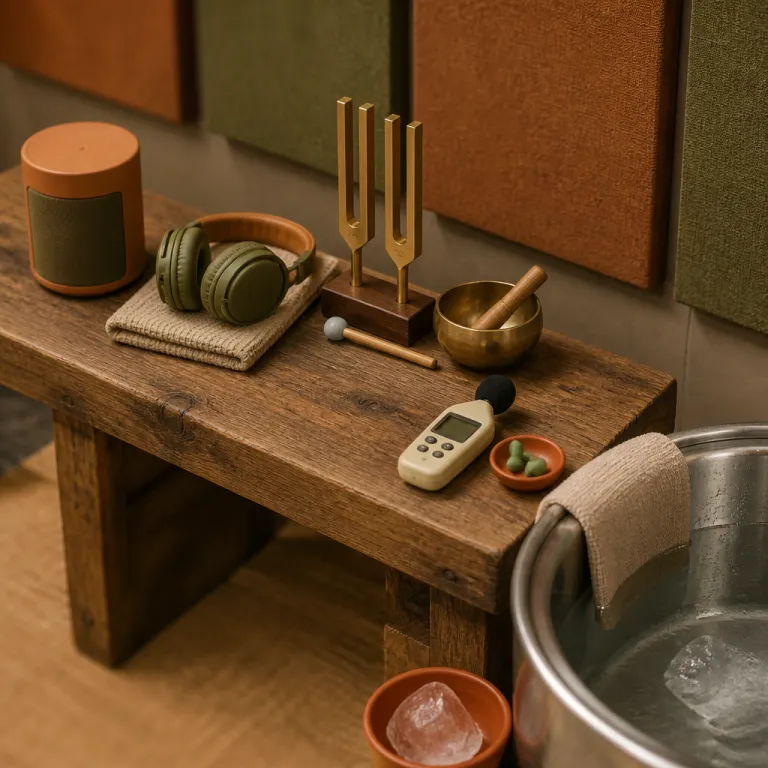
From pampering to performance: how wellness hotel experiences in the USA are changing
Wellness hotel experiences in the USA now focus less on scented candles and more on measurable recovery. Luxury hotels across America are quietly rebuilding their spas as performance centers, where sound, cold, and silence are treated as tools rather than trends. For a solo traveler choosing between hotels in different states, the question is no longer only which hotel has the nicest view but which property offers the most intelligent path back to health.
Across hotels in the USA, the classic resort spa menu of Swedish massage and generic facials is giving way to protocols built around nervous system regulation. A 2023 Global Wellness Institute briefing on wellness tourism, “Wellness Tourism: An Evolving Landscape,” notes that hotel wellness programs increasingly integrate sound therapy sessions, cold plunge pools, and silent meditation spaces as core features rather than add-ons. This shift is especially visible in five-star hotels and every new wellness resort that markets itself as results driven rather than purely relaxing.
For American travelers, that means a different way to book a wellness retreat in a hotel or resort. Instead of asking only about nightly rates and beach access, you now weigh whether a resort spa has contrast therapy, guided breathwork, or a quiet center for digital detox. When you explore wellness-focused hotel stays across the USA on my-usa-stay.com, you are effectively choosing between places that promise to change your mind-body patterns long after checkout and hotels that still treat wellness as a side activity.
Sound as medicine: from lobby playlists to frequency based hotel spa rituals
Sound healing is the most underestimated pillar of modern hotel wellness programs in the United States. What began as background music in hotel lobbies has evolved into structured sound therapy, where acoustic design and curated frequencies support sleep, focus, and emotional reset. As one industry explanation puts it, “What is sound therapy in hotels? Use of music and acoustics to promote relaxation.”
In practice, that means you now find gong baths, crystal bowl meditations, and floating sound sessions in some of the hotels best known for wellness in America. At destination retreats such as Canyon Ranch Tucson, sound therapy sessions appear on the daily schedule alongside fitness classes or nutrition consultations, and the spa teams often work with wellness consultants to tune rooms for resonance. Several resort spa programs also pair sound with guided mind-body practices, using breath and visualization to deepen the effect of each vibration on the nervous system.
Urban travelers are not left out of these evolving wellness offerings. In city center properties like The Ritz-Carlton, New York, Central Park, and select Autograph Collection hotels, soundproof meditation rooms and sleep-focused soundtracks are becoming as standard as a gym, especially in hotel spa areas. If you are planning to book a long weekend, look for hotels that offer both structured hotel sound therapy sessions and informal quiet zones, then compare them using insider guides to exclusive spa hotels across the United States on refined spa hotel reviews.
Cold, contrast, and the rise of summer trips to chillier wellness resort destinations
Cold therapy has moved from athlete recovery rooms into mainstream wellness resorts in the U.S. Instead of chasing only a warm beach, many travelers now book wellness resort stays in cooler climates where ice baths, cold plunge pools, and contrast circuits are central to the spa design. “Are cold plunge pools safe? Yes, when used properly and with guidance.”
Resorts in mountain valley regions, from Colorado to Vermont, are building thermal journeys that alternate between hot saunas, cold immersion, and quiet rest rooms overlooking forests or lakes. These hotels often highlight the health benefits of short, supervised cold exposure, from improved circulation to sharper mental clarity, and they train spa staff to coach guests through the first plunge. A 2021 review in the International Journal of Environmental Research and Public Health notes that brief cold-water immersion can support vascular function and perceived energy when approached cautiously. In one Colorado property, for example, a spa guide stays beside first-time guests for the full 60-second immersion, talking them through breathing and exit steps so the experience feels challenging but safe.
Even coastal properties are rethinking their role in wellness travel. In places like Rhode Island or the cooler stretches near Myrtle Beach, some resort spa complexes now combine Atlantic dips with indoor contrast pools and silent relaxation decks, which you can preview through curated guides to hotels with indoor swimming pools in Myrtle Beach on year round relaxation stays. When you compare nightly rates, factor in how often you will realistically use these facilities and whether the hotel offers structured cold plunge hotel retreats in Colorado-style programs or simply a pretty pool with a nice view.
Personalized wellness: why the one size fits all spa menu is disappearing
The most sophisticated wellness hotel experiences in the USA now begin before you even change into a robe. Instead of handing you a long spa menu, many luxury hotels start with an intake questionnaire that maps your sleep, stress, and fitness patterns, then routes you toward specific treatments. This personalization is not marketing language but a structural shift in how hotels think about health and retreats.
At destination properties such as Canyon Ranch Lenox or certain Ritz-Carlton resort spa locations, your day might include a movement assessment, a session with a nutrition specialist, and a tailored sound or cold protocol, all coordinated through a central wellness center. These hotels use data from your intake to decide whether you need more mind-body work, more cardiovascular fitness, or more silent meditation, and they adjust the schedule accordingly. The same logic is spreading to urban hotels in places like hotel Seattle districts or city center Santa Monica, where a quick stay can still feel like a focused retreat.
For a solo traveler comparing hotels in the USA, this means reading beyond the headline claims of an award-winning spa. Look for language about personalized wellness plans, digital detox programs, and nature immersion experiences, then cross check whether the hotel offers follow-up guidance once you leave. If you care about cultural context as much as health, pair these tailored wellness stays with heritage focused trips highlighted in the culture first travel guide on where to stay when heritage matters.
Where hotel wellness meets medical tourism, and how to choose wisely
As wellness hotel experiences in the USA become more clinical, the line between hospitality and medical tourism can blur. Some resorts now offer lab testing, hormone consultations, or high-tech recovery tools such as red light therapy and AI guided breathing, often in partnership with external health providers. For a traveler, the key is to understand where a hotel spa ends and a medical clinic begins.
Hotels are at their best when they focus on recovery, stress reduction, and sustainable lifestyle shifts rather than diagnosing or treating disease. Luxury hotels and wellness resort operators work with wellness experts, architects, and therapists to integrate sound therapy sessions, cold exposure, and silent spaces that support mental clarity and better sleep. “Why are silent spaces important in hotels? They provide environments for mental clarity and stress reduction.”
When you book, ask whether the resort spa team includes licensed medical professionals or primarily therapists and wellness coaches, and decide what level of intervention you actually want. In coastal enclaves such as Santa Monica, at properties like Fairmont Miramar or Miramar Hotel with their hotel bungalows and hotel spa facilities, the emphasis tends to stay on lifestyle and relaxation, even when the spa offers advanced tools. In more intensive retreats, including some hotels in Rhode Island or wellness focused beach hotels in Key West, you may find structured programs that feel closer to a clinic, so choose the environment that matches your comfort level and long term goals.
Regional snapshots: how wellness hotel experiences USA feel from coast to coast
Wellness hotel experiences USA are not uniform, and that is their strength. On the West Coast, Santa Monica and other Pacific cities lean into ocean air, outdoor fitness, and hotel spa programs that flow between beach paths and treatment rooms. In these hotels, the view of the water is as central to wellness as any massage table.
Move inland and the story shifts to valleys, forests, and desert canyons. In mountain valley resorts, you might wake to a yoga class facing pine covered slopes, then rotate through a resort spa circuit of saunas, cold plunges, and silent lounges that frame the landscape like a moving painting. Properties inspired by Canyon Ranch style programming often use the surrounding terrain as a second wellness center, encouraging guests to hike, cycle, or simply sit in silence between sessions.
On the East Coast and in cities such as Seattle, wellness hotel experiences USA adapt to denser environments. A hotel in a busy city center might rely on soundproofing, circadian lighting, and compact fitness studios to create a sense of retreat within a few square meters. Whether you are comparing hotels view options in Key West, evaluating beach hotels along the Atlantic, or scanning Autograph Collection listings for the next solo escape, treat wellness as a primary filter rather than a bonus amenity when you book your next stay.
FAQ
How should I evaluate wellness hotel experiences USA before I book?
Start by checking whether the hotel or resort spa offers structured wellness programs rather than only a basic spa menu. Look for clear information about sound therapy, cold exposure options, silent spaces, and personalized assessments, then compare how these elements are integrated into daily schedules. Finally, read recent guest reviews that mention wellness specifically, not just the room view or restaurant.
What is sound therapy in hotels, and how does it feel in practice?
Sound therapy in hotels uses curated music, instruments, and acoustic design to guide your nervous system into calmer states. Sessions can range from group gong baths and crystal bowl meditations to individual treatments that combine frequencies with breathwork. Many guests describe leaving these classes with slower breathing, improved sleep, and a clearer mind-body connection.
Are cold plunge pools and contrast therapy suitable for beginners?
Cold plunge pools and contrast circuits can be suitable for beginners when they are supervised and introduced gradually. Reputable hotels and wellness resort properties brief guests on safety, suggest short initial immersions, and provide warm recovery zones between rounds. If you have cardiovascular or other health concerns, speak with your physician before participating and inform the spa team on arrival.
Why are silent spaces becoming essential in modern hotel wellness?
Silent spaces give your brain a break from constant noise, screens, and conversation, which supports mental clarity and emotional balance. Many luxury hotels now design quiet rooms with soft lighting, comfortable seating, and minimal visual clutter to encourage deep rest between activities. These areas often become the most valued part of a retreat, especially for solo travelers who need time to process and reset.
How do I avoid confusing hotel wellness with medical treatment?
Clarify whether the property positions itself as a wellness focused hotel or as a medical retreat with clinical services. Hotels typically emphasize recovery, relaxation, and lifestyle coaching, while medical tourism centers involve licensed physicians, diagnostic testing, and treatment plans. If a program promises to cure specific conditions rather than support overall health, treat it as medical care and apply the same scrutiny you would at a clinic.