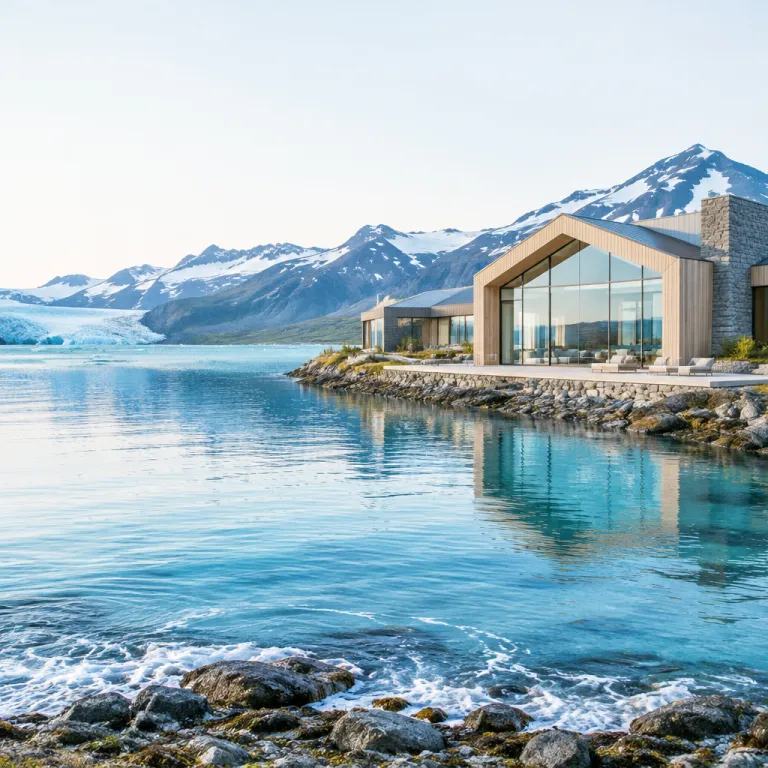
Choosing the best time of year to visit Iceland for luxury stays
For a traveler based in the United States, the best time of year to visit Iceland depends on how you balance daylight, weather, and comfort. High-end hotels in Reykjavík and along the south coast adjust rates and curated tours as each season reshapes the landscape, so timing your trip well directly affects both value and experience. When you plan your time to visit Iceland with clarity, you can align spa suites, private drivers, and tailored adventures with the exact hours of daylight you want.
Summer from June to August offers the longest days, relatively mild weather, and the famous midnight sun, which makes it the best Iceland period for travelers who want snow-free roads and long scenic drives on the ring road. Luxury properties use this Iceland summer window to host chef-led tastings, helicopter tours over the Golden Circle, and private yacht excursions from Reykjavík, all designed for guests who want to maximize every hour of daylight. Because this is the Iceland best high season, you should secure premium rooms and suites several months ahead, especially if your trip includes June–August weekends.
Winter in Iceland brings a different kind of luxury, focused on darkness, northern lights, and cocoon-like comfort in five-star hotels. From late August through late April, the northern lights season rewards travelers who value aurora views over long days, and high-end lodges respond with glass-roofed rooms, geothermal pools, and wake-up calls when the lights appear. As one expert summary puts it, “When is northern lights season? September through April” and “What is the warmest time to visit? June to August” and “What time has fewest crowds? May and September,” a framework that matches how many Iceland specialists describe the year.
Summer, shoulder season, and winter: how timing shapes your Iceland hotel strategy
When you evaluate the best time of year to visit Iceland from the United States, think in three clear bands: summer, shoulder season, and winter. Each season changes not only the weather and hours of daylight, but also how luxury hotels structure their offers, from spa packages to private tours. Planning your Iceland trip with this framework lets you match your preferred style of comfort with the right time visit window.
Summer June to late August is peak Iceland summer, with about 21 hours of daylight in Reykjavík in late June and the most reliable conditions for driving the ring road or exploring the south coast region. High-end hotels along the south coast and in the capital often require multi-night minimum stays in this period, and concierge teams can arrange helicopter transfers, glacier hiking adventures, and gourmet picnics under the midnight sun. Because this is the best Iceland season for snow-free access to remote areas, travelers who want to visit Iceland in comfort should book business-class flights and suites as early as they would for a prime Caribbean resort or a refined stay in Ireland, similar to timing advice in this guide on when Ireland shines brightest for a luxury stay from the United States.
Shoulder season in Iceland, especially May and September early in the month, offers a compelling balance for luxury travelers who dislike crowds. During this shoulder season, many premium hotels keep full services running, but rates soften compared with June–August, and tours are easier to reserve at short notice. For a traveler used to curated stays in North American resorts, this can be the best time to visit Iceland because you enjoy refined service, emerging northern lights in September, and more relaxed public spaces in top-tier properties.
Northern lights versus midnight sun: aligning hotel choices with natural spectacles
Two natural phenomena largely define the best time of year to visit Iceland for many travelers from the United States: the northern lights and the midnight sun. Your preference between these experiences should guide not only your season, but also your choice of hotel location, room category, and even nightly schedule. Luxury properties across Iceland have built entire concepts around these lights, from rooftop observatories to in-suite telescopes.
If your dream is to see the northern lights, the strongest period runs from late August through late April, with particularly good chances around the equinoxes. Many Iceland winter lodges on the south coast and in the countryside offer aurora wake-up calls, outdoor hot tubs, and private guides who drive you away from clouds, using the same weather and aurora forecast tools that professional tours rely on. Because nights are long in mid-winter, you trade shorter days for more darkness, so a well-equipped hotel with excellent dining, spa facilities, and attentive service becomes essential for a comfortable trip.
Travelers who prioritize the midnight sun should aim for Iceland summer, especially around June when hours of daylight peak and the sky barely darkens. High-end hotels in Reykjavík and along the ring road respond with late seating dinners, extended spa hours, and flexible check-in times, allowing you to structure your time visit around golden-hour photography at midnight. For guests who enjoy refined adventure in wild landscapes, this rhythm feels similar to staying in elegant riverside properties in Maine, such as those highlighted in this guide to elegant stays in The Forks for refined adventure, where long summer days also shape the luxury experience.
Hidden gem stays in Iceland for United States luxury travelers
Once you have chosen the best time of year to visit Iceland, the next step is selecting properties that feel both luxurious and quietly exclusive. Beyond Reykjavík’s flagship addresses, a series of hidden gem hotels along the south coast, in the Snæfellsnes Peninsula, and near Lake Mývatn offer high-end comfort with fewer guests. These stays suit travelers from the United States who value privacy, strong design, and direct access to nature without sacrificing service.
Along the south coast route, small luxury lodges near Vík and Kirkjubæjarklaustur provide suites with floor-to-ceiling windows facing glaciers and black sand beaches. In Iceland summer, these properties shine for guests who want to drive snow-free roads by day, then return to geothermal hot tubs and tasting menus that highlight local seafood and lamb. During Iceland winter, the same hotels become northern lights hideaways, where staff dim exterior lights and offer blankets, hot drinks, and guidance on the best time and direction to watch the sky.
Travelers who prefer geothermal landscapes can look to high-end retreats near the Blue Lagoon and the newer Sky Lagoon, where spa rituals anchor the entire trip. These properties work well in any season, but especially in shoulder season when rates ease and crowds thin, making it easier to secure premium time slots in the spa and private tours to the Golden Circle. For guests used to curated stays in refined all-inclusive resorts in Los Cabos, such as those profiled in this overview of refined all inclusive resorts for discerning United States travelers, these Iceland best hidden gems deliver a similarly seamless, high-touch experience in a very different climate.
Seasonal itineraries: how to pair Iceland’s regions with your travel month
Designing a luxury itinerary around the best time of year to visit Iceland means pairing specific regions with the month you choose. The south coast and Golden Circle work in every season, but the way you experience them changes dramatically between Iceland summer and Iceland winter. A thoughtful plan ensures that your hotel choices, private tours, and driving segments match the weather and daylight you can realistically expect.
For a June–August trip, consider a loop that starts with two or three days in Reykjavík at a five-star hotel, followed by several nights along the south coast and, if you have time, a segment of the ring road toward the east. Roads are generally snow-free in this season, and long hours of daylight allow unhurried stops at waterfalls, black sand beaches, and glacier lagoons without rushing back to your property. Many luxury travelers add helicopter tours over the Golden Circle or private super jeep adventures onto glaciers, taking full advantage of stable weather and extended days.
In April–October, especially in May and September early in the month, you can still enjoy the south coast region with fewer crowds and a chance of northern lights at night. This shoulder season is ideal for travelers who want to visit Iceland with a mix of spa time, scenic drives, and flexible days that can adapt to changing weather. During deep winter, from mid-November through March, it is often wiser to base yourself in fewer locations, using high-end hotels as hubs for guided tours rather than attempting long self-drives on potentially icy roads.
Practical tips for United States travelers booking luxury hotels in Iceland
Securing the right hotel at the best time of year to visit Iceland requires a more strategic approach than many United States travelers expect. Demand for top-tier properties can exceed supply in peak season, especially when major events or airline promotions drive sudden interest. A clear booking plan helps you capture Iceland best options before they sell out.
For Iceland summer, reserve your preferred hotels six to nine months ahead, particularly if your trip includes June–August weekends or popular holidays. Focus first on high-demand regions such as the south coast, the Golden Circle area, and any ring road lodges you want, then layer in Reykjavík nights and special tours like glacier hikes or private northern lights chases. In shoulder season, you can often shorten this lead time, but premium suites and rooms with the best views still go first, so early action remains wise.
Travelers targeting Iceland winter for aurora viewing should prioritize properties that combine strong insulation, excellent dining, and easy access to main roads. Because winter weather can disrupt domestic flights and long drives, consider building in buffer days at the start and end of your trip, ideally in Reykjavík or near the international airport. Regardless of season, pack layers for rapidly changing weather, rely on local forecasts for both storms and northern lights activity, and let your hotel concierge adjust daily adventures so that your time visit always aligns with the safest and most rewarding conditions.
Key figures on timing a luxury Iceland stay
- A long-term weather study ranked one specific summer month as the “best weather month” in Iceland with a score of 100 points, which helps explain why luxury hotels often reach peak occupancy in that period.
- Reykjavík averages roughly 21 hours of daylight around the June solstice, giving high-end properties scope to schedule late spa sessions, extended tasting menus, and midnight sun tours without rushing guests.
- The northern lights season in Iceland lasts roughly eight months, from late August to late April, so luxury travelers have a wide window to combine aurora viewing with premium hotel stays.
- Shoulder seasons in May and September typically see lower room rates than high summer, while still offering enough daylight for sightseeing and, in September, a realistic chance of northern lights.
- Travel costs for Iceland often spike in high summer compared with winter and shoulder months, which makes timing a trip in May or September an effective way to balance comfort, value, and access to top-tier hotels.
FAQ about the best time of year to visit Iceland for luxury travelers
When is the best time of year to visit Iceland for comfortable weather and long days ?
The most comfortable combination of mild weather and long days usually falls between June and August, when temperatures are higher and daylight can exceed 20 hours. This is the ideal period for luxury travelers who want to drive snow-free roads, enjoy outdoor dining, and schedule long private tours without worrying about darkness. Because demand is highest then, premium hotels and suites should be booked well in advance.
When should I visit Iceland to see the northern lights from a luxury hotel ?
The northern lights are typically visible from late August through April, with strong activity around the equinoxes in September and March. For a luxury focused stay, consider September or March, when you still have reasonable daylight for sightseeing but enough darkness for aurora viewing at night. Choosing countryside hotels with low light pollution and dedicated aurora services significantly improves your experience.
Is shoulder season a good choice for high end Iceland trips ?
Shoulder season in May and September is an excellent choice for high end trips because you benefit from fewer crowds, more flexible booking options, and often better value on suites. Many luxury hotels keep full services running, including spas and fine dining, while tours remain available but less congested. In September, you also gain a realistic chance of seeing the northern lights without committing to deep winter conditions.
How far in advance should United States travelers book luxury hotels in Iceland ?
For peak summer stays, United States travelers should aim to book luxury hotels six to nine months ahead, especially in Reykjavík, the south coast, and Golden Circle areas. For shoulder season, three to six months is often sufficient, though top suites can still sell out earlier. Winter aurora trips usually require at least three to four months of lead time for the best located properties.
Which regions pair best with luxury hotels for a first Iceland visit ?
For a first visit focused on comfort, combine Reykjavík with the Golden Circle and the south coast, where infrastructure is strong and high end hotels are well established. This triangle offers waterfalls, black sand beaches, geothermal spas, and easy access to guided tours, all within manageable driving distances. Once you are comfortable with Iceland’s weather and roads, you can add more remote ring road segments on a future trip.