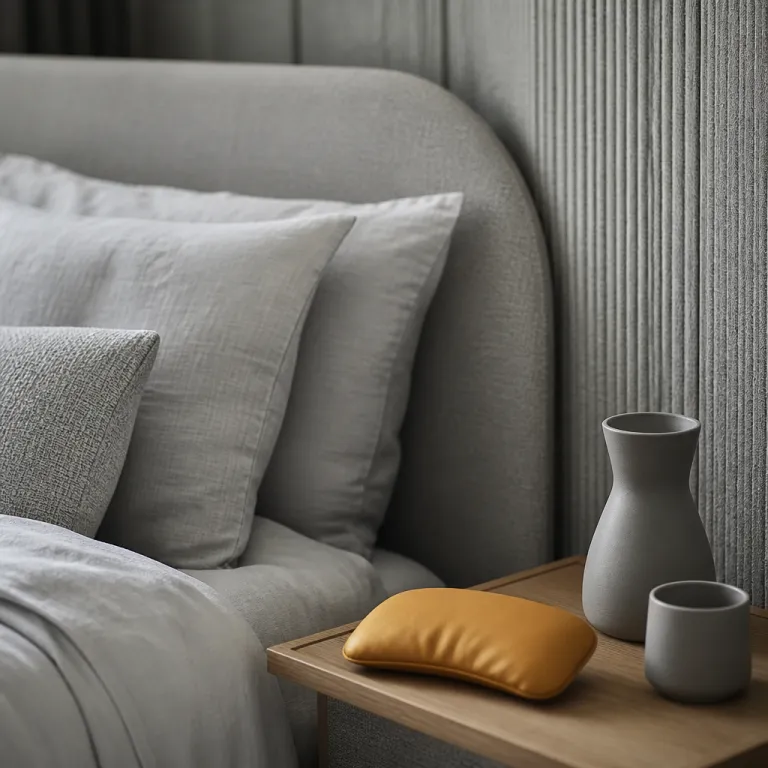
How hotel neuro architecture design reshapes luxury for solo American travelers
Hotel neuro architecture design is quietly rewriting what luxury means for a solo American traveler. Instead of focusing only on thread counts, this new neuroarchitecture movement treats the entire built environment as a therapeutic instrument for your nervous system. In practice, that means architecture, interior design and service are intentionally orchestrated to reduce stress, support mental health and create spaces where your body can finally exhale.
Researchers in healthcare, environmental psychology and public health increasingly study how architectural design affects emotion, sleep and chronic diseases. A growing body of peer reviewed work in PubMed, Google Scholar and leading design journals points toward clear health benefits when hotels integrate biophilic design, natural light and access to green space. For example, a randomized trial on hospital rooms with morning sunlight exposure reported shorter lengths of stay and lower pain scores (Walch et al., 2005, Psychosomatic Medicine, doi:10.1097/01.psy.0000174058.42508.70), while a meta-analysis on green space and health found reduced all-cause mortality for people with higher exposure to vegetation (Twohig-Bennett & Jones, 2018, Environmental Research, doi:10.1016/j.envres.2018.06.030). When you book a room that has been shaped by neuro architecture principles, you are not just paying for a bed but for a carefully tuned environ that behaves more like preventative healthcare than simple accommodation.
For American travelers, this shift matters because road trips, red eye flights and long drives across 500 kilometers of interstate are physically demanding. A hotel that treats your stay as a form of care uses architecture as a therapeutic partner, not a decorative backdrop. The figure that really counts is how quickly your nervous system downshifts from highway alertness into deep rest once you step into those intentionally designed spaces.
Evidence based design: from medical journals to your hotel room
Neuro architecture did not start in a spa brochure; it emerged from serious healthcare and design research. If you search PubMed or Google Scholar for terms like built environment, mental health or biophilic design, you will find a steady stream of article abstracts, each linking to a DOI that anchors the study in rigorous data. These studies examine how natural environments, controlled lighting and quiet spaces influence the nervous system, blood pressure and even markers related to chronic diseases.
For hotels, the most compelling evidence based insight is simple yet powerful. Guests who sleep in rooms with abundant natural light, low noise levels and access to a nearby natural environment or green space tend to report better mood, more physical activity and faster ability to reduce stress after travel. In one controlled experiment, participants walking for 90 minutes in a natural setting showed lower rumination and reduced activity in brain regions linked to depression compared with those walking along a busy road (Bratman et al., 2015, PNAS, doi:10.1073/pnas.1510459112). When a property invests in architectural design that follows these findings, hotel neuro architecture design becomes a measurable health asset rather than a marketing flourish.
Water features, acoustic panels and carefully calibrated corridors now sit in the same design conversation as high thread count sheets. In some leading properties, virtual reality meditation pods extend the idea of therapeutic spaces, offering guided sessions that simulate natural environments when the outside weather refuses to cooperate. If aquatic calm appeals to you, pair these neuroarchitecture elements with a property that treats its pool as a destination, the way many forward thinking hotels now approach aquatic design as a full sensory experience.
Inside the first Neuro-Ready certified hotel in the United States
One of the clearest real world examples of hotel neuro architecture design sits in Sunnyvale, California. The Hilton Garden Inn Sunnyvale has been publicly described by Friendly Accessibility as the first Neuro-Ready certified hotel in the country, a designation created to formalize sensory friendly hospitality. Because Neuro-Ready is a proprietary program, travelers should always consult the hotel or Friendly Accessibility directly for the most current certification details, but the underlying design approach offers a useful case study.
The certification answers a simple question from travelers who live with sensory sensitivities or neurodivergent traits. “What is a Neuro-Ready Certified Hotel?” and “Who provides Neuro-Ready certification?” and “Where is the first Neuro-Ready Certified Hotel located?” sit at the heart of the program’s public explanation. On property, curated quiet spaces, calm kits and intentionally designed lighting schemes turn abstract neuroarchitecture theory into concrete, therapeutic spaces that help reduce stress after a long drive down Highway 101.
For a solo traveler, the practical takeaway is refreshingly direct. You can request calm kits at check in, seek out the quieter environ zones mapped by the front desk and treat the hotel’s architectural design as part of your self care routine. Even the signage and wayfinding echo the same philosophy, a reminder that thoughtful visual cues, like those explored in guides to elegant hotel signage, can either overload your senses or gently guide you toward rest.
Biophilic design, light and sound: what to look for when you book
When you scroll through hotel options on your phone somewhere between Denver and Santa Fe, the photos rarely tell the full neuro architecture story. Look past the staged lobby shot and ask how the built environment will actually feel on your skin after eight hours behind the wheel. The best hotel neuro architecture design quietly layers biophilic design, acoustic control and natural light into every corner you will inhabit.
Start with greenery and water, the core elements of biophilic design that echo natural environments your nervous system instinctively trusts. Properties that integrate interior green space, living walls or even modest planters in corridors create micro environments that support mental health and help reduce stress without a word of wellness marketing. When those same spaces offer views toward a natural environment outside, whether a desert ridge in Arizona or a tree lined street in Portland, the health benefits compound through subtle shifts in emotion and breathing.
Light and sound come next, and they matter more than the minibar. Seek rooms with large windows that invite natural light during the day but also provide blackout options for deep sleep at night. Aim for spaces that feel bright but not glaring, roughly in the 300–500 lux range for daytime tasks, and quiet enough that corridor or elevator noise fades into the background, closer to 30–40 dB at night rather than the 60 dB hum of a busy lobby. Pay attention to how the architecture handles noise, because a beautifully styled lobby that echoes like a train station will undermine even the most therapeutic spaces, unlike the calmer, gallery like lobbies explored in our guide to immersive hotel art and theatrical lobby design.
From highway exit to healing space: using neuroarchitecture to plan your stay
Planning a domestic trip with hotel neuro architecture design in mind changes how you read every listing. Instead of scanning only for free parking and late checkout, you start to decode the architectural design language that signals whether a property has been intentionally designed for your nervous system. Phrases like biophilic design, evidence based wellness or sensory friendly environ are not fluff; they are clues that the hotel has studied how spaces influence health.
As you compare options across states, treat each property like a mini healthcare study in which you are the single participant. Does the article style description mention natural light, quiet floors, access to green space or nearby trails that support physical activity before or after a long drive? Do photos show cluttered corridors and harsh lighting, or do they reveal calm, therapeutic spaces that feel more like a thoughtfully edited home than a generic highway stop.
Technology can deepen or dilute the effect, so read between the lines. Virtual reality wellness rooms, guided meditation apps and circadian lighting systems can extend the reach of neuroarchitecture when they are integrated into the architecture rather than bolted on as gadgets. At the same time, the research base for neuroarchitecture in hospitality is still evolving, so treat these features as promising, evidence informed tools rather than guaranteed medical interventions. The most satisfying stays for solo American travelers tend to be those where design, care and environment align, turning a simple overnight near an interstate exit into a quietly restorative pause in your larger journey.
FAQ
What is hotel neuro architecture design in practical terms for guests?
Hotel neuro architecture design is the use of architecture, interior design and sensory planning to support your nervous system and mental health during a stay. In practice, that means spaces with controlled noise, abundant natural light, access to green space and layouts that reduce stress instead of amplifying it. For you as a guest, it feels like arriving somewhere that calms your body within minutes, even after a long day of travel.
How can I tell if a hotel genuinely uses neuroarchitecture and not just marketing language?
Look for specific, evidence based details rather than vague wellness claims. Serious properties reference biophilic design, acoustic treatments, lighting strategies and sometimes even research from PubMed, Google Scholar or public health studies that informed their architectural design. When staff can explain how certain spaces were intentionally designed to help you sleep better or feel calmer, you are usually in authentic neuroarchitecture territory.
What is a Neuro-Ready certified hotel and who provides this certification?
A Neuro-Ready certified hotel is a property that has been formally assessed for sensory friendly hospitality, with a focus on guests who are neurodivergent or sensitive to noise, light and crowds. Friendly Accessibility is the organization that provides this certification and works with hotels to align architecture, interior design and service protocols. Because certification programs can change over time, it is wise to confirm current Neuro-Ready status directly with the hotel or certifying body before you book.
Why does neuroarchitecture matter for solo travelers in the United States?
Solo travelers often manage every part of the journey themselves, from long drives to late night check ins, which can keep the nervous system in a constant state of alertness. Neuroarchitecture helps by turning the hotel into a therapeutic buffer where the built environment actively supports recovery through quiet spaces, natural environments and thoughtful lighting. Over a multi stop road trip, those restorative nights can mean better focus, steadier emotion and more energy for the next day’s drive.
Are there specific room features I should prioritize when booking a neuroarchitecture focused hotel?
Prioritize rooms with large windows for natural light, good blackout options, quiet orientation away from elevators and access to nearby green space or walking paths. If possible, choose floors or wings that the hotel identifies as calmer environ zones, especially in properties that follow sensory friendly or Neuro-Ready guidelines. Features like adjustable lighting, simple uncluttered interior design and access to relaxation tools or calm kits can further enhance the therapeutic impact of your stay.