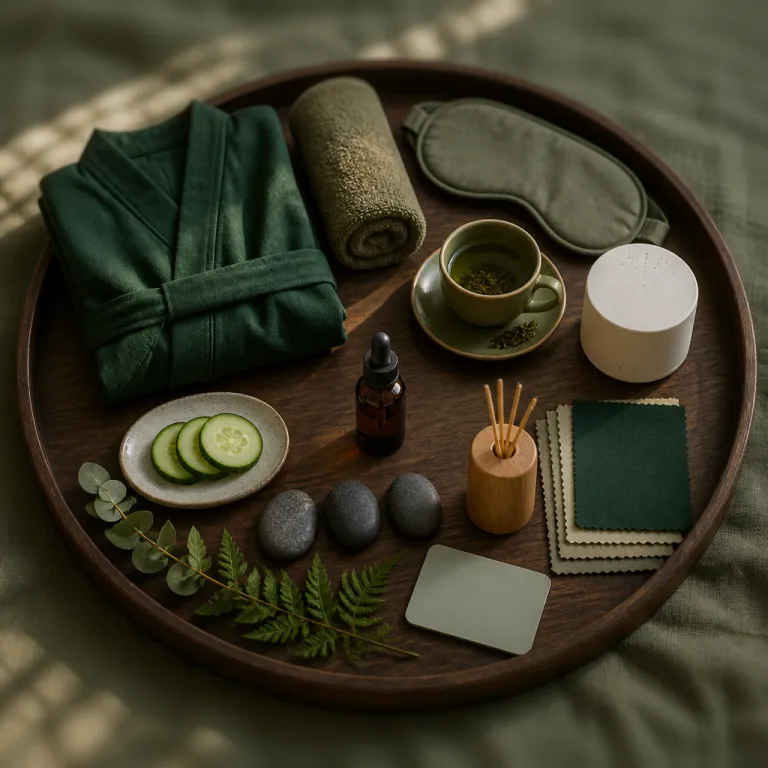
From wellness buzzword to nervous system design brief
Luxury wellness hotel nervous system regulation has shifted from spa menu slogan to full design philosophy. In the United States, high end properties now brief architects, lighting designers, and spa directors to build around the nervous system, not just around square footage or views. For couples planning a reset retreat close to home, that means the first decision is no longer pool versus golf, but whether the entire system of the hotel genuinely supports nervous system regulation from check in to checkout.
At the core is a simple definition that now shapes global wellness real estate strategy: “What is nervous system regulation? Techniques to balance the body's stress response.” Hotels translate that into layered experiences that calm the parasympathetic nervous system, lower stress levels, and support recovery instead of amplifying the fight or flight reflex that many people carry from the office or airport. The best luxury wellness retreats in the United States treat every corridor, spa treatment, and room control as part of one integrated system reset rather than a collection of à la carte amenities.
Trend data backs the shift, with “TikTok videos on nervous system regulation” counted in the hundreds of thousands and wellness influencers pushing mind body practices into mainstream travel planning. A 2021 review in Frontiers in Neuroscience reported that slow breathing and vagus nerve stimulation are associated with improvements in heart rate variability (HRV), a commonly used marker of stress resilience, and hotels now build programs around those kinds of findings. For couples booking a wellness retreat, the question is no longer whether a spa exists, but whether the entire guest experience is engineered for system restoration, deep rest, and sustainable stress recovery rather than a single indulgent day in the steam room.
How hotels actually try to regulate your nervous system
On the ground, wellness hotel nervous system regulation usually starts in the spa, but the serious properties go far beyond a gold facial and a eucalyptus steam. They build treatment circuits that combine cold plunges, guided breathing exercises, and vagus nerve stimulation devices, all designed to shift the nervous system from stress response to rest and digest. Research in journals such as Psychophysiology has linked slow paced breathing sessions of around 15–20 minutes with short term increases in HRV, and many retreats now schedule at least that duration per session. When you see a “reset retreat” package, ask how many minutes you will actually spend in structured mind body practices versus unstructured pool time, because that ratio reveals whether the system reset is science informed or just marketing.
Sound is the other frontier, and it is where American hotels have moved fastest into nervous system regulation. Properties from Sedona to upstate New York now offer floating sound baths, gong meditations, and frequency based sessions that claim to nudge heart rate variability and calm the parasympathetic nervous system, a trend we unpack in detail in our guide to sound, cold and silence as the new language of hotel wellness. At one desert resort, for example, couples lie in warm water pods while a practitioner plays crystal bowls tuned to specific frequencies; guests are given eye masks, and the entire room is kept at low light to reduce visual stimulation and support a deeper relaxation response.
Hotels also integrate aromatherapy diffusers, low blue light evening modes, and temperature zoning into rooms so that the nervous system does not keep fighting the environment. The best guest experience feels almost invisible: you notice that your body unwinds faster, your sleep comes easier, and your recovery after a long day of hiking or meetings is smoother, but you are not constantly reminded of the technology. When evaluating retreats, ask staff to walk you through their nervous system regulation methods and tools, because “How do hotels help regulate the nervous system? Offering services like cold plunges and breathing exercises.” is only the starting point, not the full story.
Room design, sleep rituals and the new luxury wellness baseline
For couples booking a romantic stay, the most meaningful wellness hotel nervous system regulation often happens in the room, not in the spa. High end American properties now treat each suite as a private retreat for system restoration, layering acoustics, air quality, and circadian lighting to support rest rather than stimulation. When you check availability on a serious luxury wellness property, you should see as much detail about sleep systems and nervous system support as you do about thread count or minibar brands.
Look for rooms where the layout respects the mind body connection, with clear zones for sleep, work, and bathing so your nervous system is not confused by laptops on the bed or televisions glowing near the pillow. Many leading retreats now offer mattress systems that subtly adjust firmness and temperature based on heart rate and movement, along with blackout shades and soundproofing that keep urban stress levels outside the door. Some hotels even build in guided wind down rituals on the in room tablet, combining breathwork, gentle stretching, and audio designed to ease the stress response before sleep.
In the United States, the most advanced luxury wellness real estate projects borrow from global pioneers such as Como Shambhala in Bali and Chiang Mai, where the nervous system has long been the organizing principle of the spa and room design. American properties adapt those ideas to local landscapes, whether that means desert silence in Arizona or forest air in the Pacific Northwest, and our guide to exclusive spa hotels across the United States highlights where this is done best. At one Arizona property, for example, couples follow a simple evening protocol—10 minutes of balcony breathing, 15 minutes of guided stretching, and lights out by 10:30 p.m.—and internal guest surveys there have reported fewer nighttime awakenings and higher self rated sleep quality. When you read guest experience reviews, pay attention to how often people mention sleep quality, body relaxation, and a sense of system reset, because those details reveal whether the nervous system promise translates into real rest.
Biometrics, personalization and the economics of calm
Behind the scenes, wellness hotel nervous system regulation is increasingly driven by data, not just by intuition and soft lighting. Many luxury hotels now invite guests to share wearable data on heart rate, sleep stages, and stress levels, then feed that into AI systems that recommend specific spa treatments, movement sessions, or recovery protocols. For couples, this can turn a generic retreat into a private program where each person’s nervous system gets its own system reset rather than a one size fits all schedule.
Some properties partner with wellness experts and technology companies to build full nervous system labs, complete with guided breathing diagnostics, heart rate variability tracking, and parasympathetic nervous system coaching. These programs often sit at the top of the luxury wellness price ladder, but hotels justify the investment because wellness travelers typically spend significantly more per stay and return more often. One New York based spa director notes that guests who enroll in a structured nervous system program tend to stay longer and report noticeable improvements in perceived sleep quality, a pattern that mirrors broader hospitality data on wellness focused travel. From a real estate perspective, rooms and retreats designed around system regulation can command higher average daily rates, because guests perceive tangible value in better sleep, faster recovery, and a calmer mind body state after a demanding workweek.
For travelers, the key is to separate wellness real innovation from glossy dashboards that do little for the actual nervous system. Ask whether biometric insights change your spa schedule, your room environment, or your daily routine, or whether they are simply printed on a gold embossed report at checkout. When a hotel can explain how its nervous system program has influenced guest experience metrics such as reported stress levels, sleep satisfaction, and repeat bookings, you are more likely to feel that the system restoration promise is grounded in reality rather than in trend chasing.
How to tell real nervous system retreats from clever marketing
For American couples scrolling through wellness hotel nervous system regulation promises on booking sites, the hardest task is separating substance from style. Many properties now advertise a reset retreat or nervous system weekend, but only a fraction integrate system regulation into staffing, training, and daily operations. Before you check availability, decide whether you want a pleasant spa day or a structured retreat that genuinely supports nervous system recovery and long term stress resilience.
Start by reading the fine print on retreats and asking specific questions by email or phone. Who designed the program, and do they have experience in neuroscience informed wellness, or only in generic spa operations? How many minutes per day are dedicated to guided nervous system practices such as breathwork, cold exposure, or somatic movement, and how much is left to unstructured rest where your body may simply default to old stress patterns.
Pay attention to how staff talk about the nervous system, because language reveals depth. When a team can explain the difference between fight or flight and rest and digest, reference the parasympathetic nervous system accurately, and suggest modifications based on your stress levels or health history, you are likely in capable hands. Hotels that take system regulation seriously will also remind you that “Are these hotel services effective? Effectiveness varies; consult professionals before trying.” and encourage you to research hotel wellness offerings and consult with professionals before trying new techniques, which is a sign of respect rather than a sales tactic.
Where the nervous system trend is heading for American travelers
As wellness hotel nervous system regulation matures, the most interesting properties in the United States are moving beyond copy pasted language from Como Shambhala or Chiang Mai and into regionally grounded experiences. In the Rockies, that might mean cold river plunges paired with wood fired saunas and star filled silence, while in coastal New England it could be foggy morning walks, sound therapy in shingled lofts, and seafood menus calibrated for sleep friendly digestion. The common thread is a commitment to nervous system restoration that respects local climate, culture, and the slower rhythms many guests crave after years of digital overload.
We also see more hotels weaving nervous system regulation into social spaces, not just into private rooms and spa corridors. Lounge playlists are tuned for lower heart rate, bar lighting softens as the evening progresses, and even restaurant seating plans consider acoustics so couples can talk without raising their voices or their stress response. Some of the most compelling examples appear in properties where, as we note in our feature on hotel bars that become destinations, the bar itself becomes a low stimulus sanctuary rather than a high decibel scene.
For travelers, the opportunity is to treat each stay as a small experiment in mind body recalibration rather than a one off indulgence. Notice how your nervous system feels when you arrive, how it shifts after a day of structured rest, and what elements of the guest experience genuinely support recovery once you return home. Over time, you will build your own internal map of which systems, retreats, and regions offer the deepest reset, and that knowledge is worth more than any gold plated amenity list.
FAQ
What is nervous system regulation in a hotel context ?
Nervous system regulation in a hotel context means designing spaces, services, and daily rhythms that help balance the body’s stress response rather than amplify it. Properties use tools such as cold plunges, breathing exercises, sound therapy, and circadian lighting to support the parasympathetic nervous system. The goal is to improve sleep, reduce stress levels, and enhance overall recovery during your stay.
How do hotels help regulate the nervous system in practice ?
Hotels that take this seriously integrate nervous system support into spa menus, room design, and programming. They may offer guided breathwork, contrast hydrotherapy, vagus nerve stimulation, and sound baths alongside quiet zones, low blue light evenings, and high quality bedding. The most advanced properties personalize these elements based on your preferences, schedule, and sometimes biometric data from wearables.
Are these nervous system focused services actually effective ?
Effectiveness depends on the quality of the program, your own health, and how consistently you engage with the practices. Some guests report better sleep, lower perceived stress, and a stronger sense of mind body connection after structured retreats. Because responses vary, it is wise to ask detailed questions in advance and to consult a healthcare professional if you have specific conditions.
What should I look for when booking a nervous system focused wellness retreat ?
Look for clear explanations of methods, daily schedules, and who designed the program. Ask how much time is devoted to guided nervous system practices, how rooms support sleep and recovery, and whether staff have relevant training. Reviews that mention improved rest, calmer mood, and lasting benefits after the stay are more meaningful than generic praise for the spa.
Is it safe to try advanced nervous system techniques at a hotel ?
Most hotel based practices such as gentle breathwork, sound baths, and basic hydrotherapy are safe for healthy adults, but more intense methods may not suit everyone. You should share any medical conditions with staff, skip anything that feels overwhelming, and remember the dataset guidance to research hotel wellness offerings and consult with professionals before trying new techniques. A responsible property will support your choices and never pressure you into a treatment.