Discover the best places to stay across New York State, from luxury New York City hotels to Hudson Valley inns, Adirondack lakefront resorts, Niagara Falls stays, and Long Island coastal retreats, with travel times, seasonal tips, and sample itineraries.
Best hotels across New York State: where to stay from NYC to the Adirondacks
Choosing where to stay across New York State
Think less about a single “best” hotel in New York State and more about the kind of trip you want. A night in a high-floor room overlooking the towers of New York City has very little in common with a lakeside inn in the Adirondacks or a discreet resort in the Hudson Valley. The right hotel for you depends on whether you want to walk out into a dense city grid, onto a dock at sunrise, or into a quiet village street after dinner.
For many travelers in the United States, the first decision is simple: city or countryside. A stay in central New York City, around Midtown or near Bryant Park, suits guests who want theatre, galleries, and late-night food and drink within a few blocks. Upstate, hotels in places like Lake Placid, Lake George, or Saratoga Springs trade skyscraper views for forests, water, and star-filled skies. Both are compelling, but they serve different moods and work best in different seasons; for instance, foliage trips to the Hudson Valley peak in October, while ski weekends in the Adirondacks cluster from December to March.
Expect a wide range of hotel types across the state. In Manhattan and Brooklyn, you will find polished high-rise properties, classic inns in brownstones, and a few design-forward addresses that feel almost residential. In the Hudson Valley or along the Seaway Islands near the Saint Lawrence River, the best places to stay are often low-slung lodges, restored farmhouses, or historic village hotels where the dining room doubles as the social heart of the town. When you read reviews, look for details about atmosphere and neighborhood, not just star ratings, and note how long guests say it took them to reach key sights or train stations.
New York City: vertical luxury and urban energy
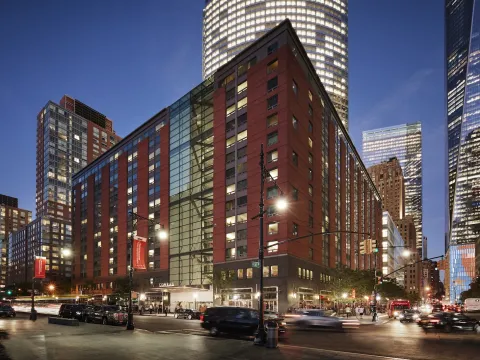
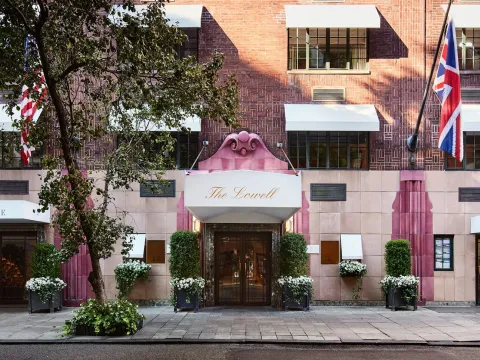
On West 57th Street, a high-floor room can feel like a private observatory. Floor-to-ceiling glass, a partial Central Park view, and the muted hum of the city several dozen stories below: this is the classic New York City fantasy. If you want that, focus on hotels near Central Park South, Fifth Avenue, or the southern edge of the park, where you can walk to galleries on 57th and the theatre district in under 15 minutes. Properties such as Park Hyatt New York (luxury, indoor pool, about five minutes on foot from Carnegie Hall) and 1 Hotel Central Park (upper-midrange, biophilic design, two blocks from the park) are representative of this style.
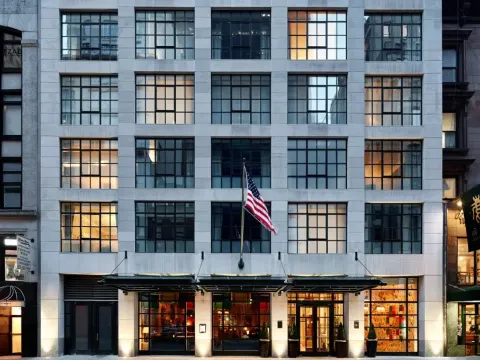
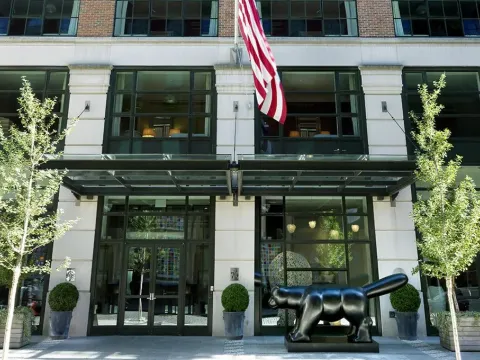
Downtown tells a different story. Around Tribeca and the West Village, smaller properties often occupy prewar buildings with fewer rooms, thicker walls, and a quieter, more residential feel. Guests who care less about a postcard skyline and more about neighborhood life tend to prefer these areas, where the best food and drink is often on a side street rather than a main avenue. A recent guest at a boutique hotel in Tribeca summed it up in a review: “We walked to dinner every night and never once needed a cab.” A stay here suits travelers who want to explore on foot, from morning coffee to late-night wine bars, and who value easy subway access to Brooklyn or the High Line.
For business travelers, central Manhattan remains practical. Hotels near Grand Central Terminal or in central Midtown place you within easy reach of major offices and both main airports via train or car. When comparing hotels in New York City, pay close attention to room size and layout: even in a five-star hotel, some rooms are compact. Read between the lines of guest reviews to understand whether the space feels cleverly designed or simply small, and check how long it takes to reach LaGuardia or JFK at typical travel times (often 35–60 minutes by car, depending on traffic).
Hudson Valley and Catskills: river views and rural retreats
A bend in the Hudson River near Hudson and Rhinebeck offers a very different kind of luxury. Here, the best hotels lean into landscape rather than height. You might wake to mist over the water, church bells from a nearby town, and the faint sound of a train running along the eastern bank. A Hudson Valley stay is about slowness: long breakfasts, drives along Route 9, and evenings by a fireplace instead of a rooftop bar. From New York City, expect the drive to Rhinebeck or Hudson to take around two to two and a half hours, or slightly less by direct train to Hudson station.
In this part of New York State, look for properties with strong connections to local producers. Many dining rooms highlight farms within a short drive, and the food and drink programs often feature Hudson Valley wines, ciders, and small-batch spirits. Representative stays include Mohonk Mountain House near New Paltz (historic resort, higher price band, cliff-top lake setting with hiking trails) and smaller inns around Hudson that emphasize seasonal tasting menus. If you care about regional character, prioritize hotels that mention on-site gardens, seasonal menus, or partnerships with nearby farms. Those details usually translate into a more grounded experience and are often highlighted in guest comments.
The Catskills, a bit farther west, feel wilder. Forested hills, winding two-lane roads, and inns tucked along creeks or on old estates. Guests come here to hike, swim in mountain lakes, and sit on porches listening to nothing much at all. When you compare places to stay, decide whether you want to be near a small town—say, within walking distance of a main street—or fully secluded. Both options exist, but the trade-off is clear: convenience versus immersion in nature. A simple sample itinerary might include a Friday evening arrival, a Saturday hike near Phoenicia or Hunter, and a Sunday brunch in Kingston before the two-and-a-half-hour drive back to the city.
Waterfront escapes: lakes, falls, and the Seaway
North of Albany, the Adirondacks open into a landscape of deep lakes and tall pines. Around Lake Placid and Lake George, hotels range from classic lakeside inns with wooden docks to larger resorts with pools, spas, and multiple restaurants. A room facing the lake at dawn, when the water is still and the canoes are lined up on the shore, offers a kind of quiet you will never find in any city in the United States. Popular examples include Mirror Lake Inn in Lake Placid (upper-upscale, spa and fine dining, about a 10-minute walk from the Olympic Center) and lakeside lodges on Lake George that cater to families in summer and foliage travelers in early fall.
Niagara Falls, on the western edge of New York State, is a different spectacle. Here, the best hotels balance proximity to the falls with a degree of calm. Properties closest to the water offer dramatic views and easy access to the main walkways, but they also sit in the busiest part of the city. If you prefer a quieter night, consider staying slightly farther away and trading a direct view for more space and a softer atmosphere. Driving from Buffalo Niagara International Airport to Niagara Falls typically takes around 35–45 minutes, and peak summer weekends often book out weeks in advance, especially for rooms with partial falls views.
Farther north, along the Seaway Islands and the Saint Lawrence River, small inns and modest resorts dominate. This is not about five-star hotel theatrics; it is about sitting on a veranda watching boats slip between islands at dusk. When you read reviews for these hotels, focus on mentions of river views, access to the water, and the feel of the common areas. A well-kept lawn leading to the river can matter more here than a long list of amenities. A simple two-night itinerary might include an afternoon arrival in Alexandria Bay, a boat tour through the Thousand Islands the next morning, and a final evening on the hotel deck watching the river traffic.
Coastal New York: Long Island, Montauk, and Sag Harbor
Drive east from New York City and the skyline gives way to shingled houses, marinas, and Atlantic light. Long Island’s best hotels cluster along the North Fork, the Hamptons, Montauk, and the historic streets of Sag Harbor. Each area has a distinct rhythm. Montauk feels raw and ocean-facing, Sag Harbor more village-like and sheltered, with clapboard houses and boats moored just off Bay Street. In summer, the drive from Manhattan to Montauk can take three to four hours, while off-season trips are often closer to two and a half.
In Montauk, many guests prioritize direct beach access. A room that opens onto sand, or at least offers a clear view of the ocean, is worth seeking out if your trip revolves around the water. Expect a more casual atmosphere, with sandy feet in the lobby and evenings that drift from late swims to simple seafood dinners. When comparing hotels here, check how close they sit to the shoreline and whether they offer easy paths to the beach. One recent review of a beachfront inn captured the appeal: “We fell asleep to the sound of waves and never moved the car once we arrived.”
Sag Harbor and nearby villages lean more toward harbor life. Hotels often occupy historic buildings near Main Street, where you can walk to small galleries, cafés, and the waterfront in minutes. A stay here suits travelers who like to alternate between boat trips, slow walks, and dinners in low-lit dining rooms. Across Long Island, the trade-off is usually between privacy and proximity: some resorts sit back from the main roads with larger grounds, while others place you right in the middle of village life. A simple weekend plan might pair a Friday night in Sag Harbor with a Saturday afternoon wine tasting on the North Fork before driving back toward New York City on Sunday.
Historic towns and spa culture: Saratoga Springs and beyond
Broad sidewalks, Victorian facades, and the sound of hooves at the racecourse define Saratoga Springs. Hotels here often occupy 19th-century buildings with high ceilings, wide staircases, and public spaces designed for lingering. A stay in this part of New York State is less about wilderness and more about ritual: morning walks in the park, afternoons at the mineral springs, and evenings in dining rooms where the pace is unhurried. From New York City, the train ride to Saratoga Springs usually takes around three and a half hours, making it a manageable long weekend destination.
Many properties in Saratoga Springs and similar historic towns emphasize wellness. You will find spas, mineral baths, and quiet corners designed for reading rather than socializing. Guests who choose these hotels usually want a restorative break rather than a packed sightseeing schedule. When you compare options, look closely at how the spa and relaxation areas are integrated into the property, not just listed as separate facilities. Representative stays range from grand hotels near the racecourse to smaller inns a short walk from Broadway, where you can step out for coffee or a concert in the evening.
Elsewhere in central New York, smaller cities and college towns offer a different kind of charm. Here, hotels near main streets or university campuses provide easy access to local restaurants, theatres, and seasonal events. These are good bases if you plan to explore the wider region by car. Read recent guest reviews to understand how well each hotel manages noise, especially if it sits close to busy streets or event venues, and note any comments about parking, which can be a deciding factor in compact downtown areas.
How to choose the right hotel in New York State
Start with geography. New York State is large, and driving from New York City to Lake Placid can take more than five hours in typical traffic. Decide whether you want an urban stay, a river valley retreat, a lakefront resort, or an ocean-facing inn on Long Island. Once you fix the region—Hudson Valley, Adirondacks, Niagara Falls, Montauk, Sag Harbor, or Saratoga Springs—the list of suitable hotels becomes much clearer, and you can match your plans to realistic travel times between stops.
Then consider the style of stay you prefer. Some travelers want a polished five-star hotel with full service, a formal dining room, and structured experiences. Others feel more at home in smaller properties where the staff recognize them after the first night and the atmosphere is closer to a private house. Neither is inherently better; it depends on whether you value anonymity and extensive facilities or intimacy and character. Think about whether you want a resort-style stay with on-site activities or a simple base for exploring nearby neighborhoods, trails, or lakes.
Finally, read reviews with intention. Look for consistent comments about room quietness, the quality of beds and linens, and the overall feel of public spaces. Pay attention to how guests describe the neighborhood—whether they felt comfortable walking at night, how easy it was to explore on foot, and what food and drink options were nearby. In a state as varied as New York, the best hotel is the one whose setting, scale, and rhythm match the trip you actually want to take. A short note in a recent review—“We booked for the view and stayed for the calm”—captures what you are ultimately seeking: a place that fits the way you like to travel.
Best hotels across New York State: FAQ
Is New York State a good destination for a luxury hotel stay?
New York State is an excellent destination for a luxury stay because it combines world-class urban hotels in New York City with refined countryside retreats in regions like the Hudson Valley, the Adirondacks, and Long Island. You can choose between high-rise city rooms with skyline views, lakeside resorts around Lake George or Lake Placid, and discreet properties near places such as Sag Harbor or Saratoga Springs. This variety allows you to match the level and style of luxury to the type of trip you have in mind, whether that is a weekend at a historic spa hotel or a longer stay at a best-in-class lakeside resort.
Where should I stay if I want nature and outdoor activities?
For nature-focused trips, look toward the Adirondacks, the Catskills, the Finger Lakes, or the Seaway Islands along the Saint Lawrence River. Around Lake Placid and Lake George, many hotels and inns offer easy access to hiking, paddling, and winter sports, and the drive from Albany to Lake George is typically around one hour. The Catskills provide forested trails and river valleys, while the Seaway region is ideal if you prefer boating and quiet river views. Choose a property that sits close to the activities you care about most, whether that is a trailhead, a lakefront, or a small town with outdoor outfitters.
Which area is best for a first-time visitor to New York State?
First-time visitors often split their stay between New York City and one upstate region. A few nights in central New York City give you museums, theatre, and classic city energy. Adding time in the Hudson Valley, the Catskills, or around Niagara Falls introduces you to the state’s landscapes and smaller towns. This combination shows both sides of New York State: the dense, vertical city and the quieter river valleys, lakes, and villages that many residents escape to on weekends. A simple plan might be three nights in Midtown followed by two or three nights in a best lakeside hotel near Lake Placid or a riverfront inn in the Hudson Valley.
How do I choose between staying in New York City and upstate?
Choose New York City if you want culture, dining, and nightlife within walking distance, and you are comfortable with a faster pace and denser environment. Opt for an upstate stay—Hudson Valley, Adirondacks, Long Island, or Saratoga Springs—if you prefer space, quieter nights, and easier access to nature. Many travelers in the United States combine both, starting with the city and then driving or taking a train to a slower, more spacious setting for the second part of their trip. When you plan, factor in realistic travel times between regions so you are not spending more hours in the car than at the hotel.
Are waterfront hotels in New York State worth prioritizing?
Waterfront hotels in New York State are often worth prioritizing if you value scenery and a strong sense of place. A room overlooking Lake George, the Hudson River, the Saint Lawrence, or the Atlantic near Montauk or Sag Harbor can transform a simple stay into something more memorable. These properties tend to book out earlier in peak seasons, so if a lake, river, or ocean view is important to you, it is wise to focus your search on hotels that sit directly on the water or within a short walk of it. When you compare options, look for photos with clear captions or alt text describing the view, and read guest comments about whether the promised outlook matched reality.