Planning where to stay in Manhattan? Compare the best areas and hotels in Midtown, Times Square, and near Central Park, with typical room sizes, price ranges, and pet-friendly tips for first-time visitors and repeat travelers.
Why Manhattan is still the classic New York stay
Step out of a yellow cab at the corner of West 44th Street and Sixth Avenue and you understand immediately why Manhattan remains the default New York stay. The city rises tight around you, the air carries a mix of roasted nuts, car horns, and steam from subway grates, and almost every hotel entrance feels like a small theater stage. For a traveler based in the United States, this is the New York you have seen in films for years, concentrated into a few dense square kilometres.
Choosing a hotel in Manhattan is less about finding a bed and more about deciding which version of the city you want at your doorstep. Times Square offers neon, noise, and instant access to Broadway, while a plaza in Midtown Manhattan near Bryant Park feels more measured, with office towers, cafés, and a calmer evening rhythm. The Upper East Side trades spectacle for discretion, with residential streets, galleries, and a slower, more local pace.
For most first or second visits, staying in central Manhattan New York – roughly between 34th Street and Central Park – makes the most sense. You can walk to major sights, check different neighborhoods in a single day, and still retreat to a quiet room or a rooftop bar when the city’s intensity peaks. It is not the only way to experience New York City, but it remains the most efficient and, for many, the most cinematic.
- Best for first-time visitors: Midtown near Bryant Park and Grand Central
- Best for Broadway and nightlife: Times Square and the Theater District
- Best for Central Park access: Central Park South and the Upper West Side
- Best for a local feel: East Side around Second Avenue or West Side near Ninth Avenue
- Best for pet owners: Hotels close to Central Park, Bryant Park, or Madison Square Park
Times Square, Midtown, or the park: choosing your Manhattan base
Times Square and Midtown Manhattan divide opinion. Some travelers love the energy of the news tickers, the giant screens, and the fact that you can leave your hotel at 22:00 and still find a late show or a cocktail bar within a two-minute walk. Others find the crowds exhausting and prefer to keep Times Square as a place to visit, not to sleep. If you crave constant movement and want Broadway at arm’s length, a hotel in this district of Manhattan is the obvious choice.
Shift a few blocks east or south and the mood changes. Around Fifth Avenue and Madison Avenue, hotels feel more businesslike during the day and more relaxed at night, with better access to Grand Central Terminal and the East Side subway lines. This is where a traveler who wants to mix meetings, galleries, and a quick run in Bryant Park might book a room. You still stay in the center of the city, but the soundtrack is more taxi doors than tour buses.
Central Park and nearby avenues offer a different promise altogether. North of 57th Street, properties edging the park turn the view into the main amenity: treetops, the reservoir, and the skyline of the Upper West Side across the water. If you plan long walks in the park, early-morning runs, or simply want a sense of space that is rare in Manhattan, prioritizing a hotel near the park is a smart trade-off, even if it means a slightly longer ride to downtown neighborhoods.
What to expect from rooms, views, and design
Space is the first shock for many domestic travelers. Rooms in Manhattan hotels, even at the premium end, tend to be more compact than in other parts of the United States. A standard room might offer just enough floor area for a king bed, a narrow desk, and a small armchair, while suites add a separate living area and, occasionally, a dining table. When you book, check the square metres, not just the room category name, to avoid surprises.
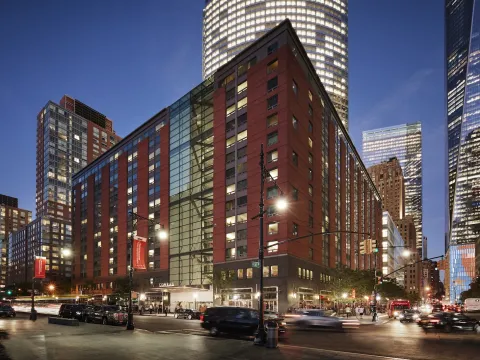
Views are where the city compensates. A high-floor room facing south in Midtown Manhattan can frame the Empire State Building, while west-facing rooms near the Hudson River catch sunsets over New Jersey. Around Central Park, corner rooms often sell out first because they combine park views with the vertical drama of the surrounding towers. If the view matters more than extra space, it is worth choosing a smaller category on a higher floor rather than a larger room lower down.
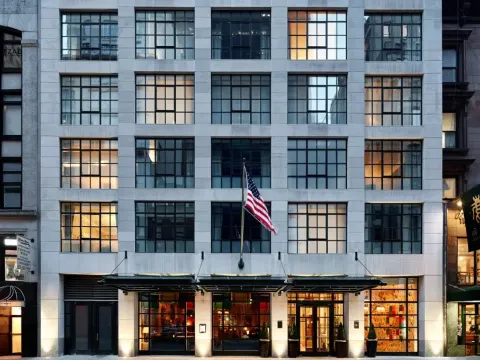
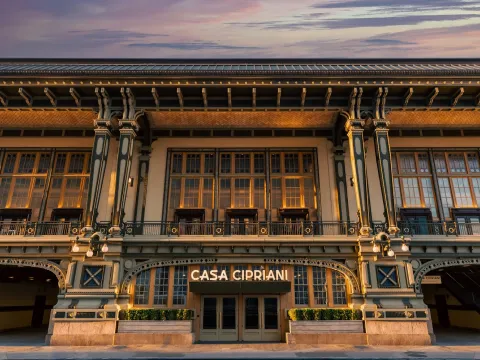
Design varies sharply by district. In the theater district near Times Square, expect bold colors, dramatic lighting, and lobbies that feel like pre-show lounges. On the East Side, especially around Park Avenue and Lexington Avenue, interiors lean more toward polished stone, muted fabrics, and a quieter, residential feel. In every case, the best hotel Manhattan properties use design to buffer you from the city’s intensity, not to compete with it.
Representative examples help set expectations. A budget-friendly option such as Pod 51 in Midtown East typically offers compact rooms of around 10–14 square metres, with nightly rates that can start near US$150–250 outside peak dates. A mid-range property like the citizenM New York Times Square often lists standard rooms of roughly 14–16 square metres, with prices frequently in the US$250–400 band. At the luxury end, hotels such as The Plaza near Central Park or The Peninsula New York on Fifth Avenue advertise larger entry-level rooms, often around 40–50 square metres, with nightly rates that can exceed US$800–1,000 during busy seasons.
Bars, rooftops, and the after-dark city
Rooftop spaces are one of Manhattan’s real luxuries. A well-designed rooftop bar in Midtown can turn a simple drink into a full evening, with the Chrysler Building or One Vanderbilt as your backdrop. Some hotels reserve parts of their rooftop for guests only, creating a semi-private city terrace where you can watch the lights come up over the plaza of Midtown while avoiding the crowds at street level. When you compare options, check whether the rooftop is open year-round and if reservations are required.
Lobby bars in New York hotels have their own culture. Near Times Square, they tend to be lively pre- and post-theater hubs, with guests in evening wear, quick martinis, and a constant flow of playbills on the tables. On the Upper East Side or in the quieter district of Murray Hill, bars feel more like neighborhood living rooms, with regulars from nearby townhouses mixing with hotel guests. If you care about atmosphere, read the bar description as closely as the room details.
For travelers who prefer a low-key night, many properties now offer well-designed lounges or small libraries instead of loud bars. These spaces are ideal if you want to stay in the center of Manhattan New York but still enjoy a calm evening with a book or a glass of wine. The trade-off is obvious: less spectacle, more comfort. Decide which version of the city you want to end your day with before you book.
Pet-friendly stays and practical details
Traveling with a dog in New York City is easier than it used to be, but you still need to pay attention to the details. Many hotels describe themselves as pet friendly, yet policies vary widely: some allow only small dogs, others welcome larger breeds, and a few offer a genuinely free pet policy with no additional nightly charge. Always check the maximum weight, the number of pets allowed per room, and whether animals can be left unattended.
Location matters even more when you have a pet. Properties near Central Park or smaller green spaces like Bryant Park and Madison Square Park make early-morning walks far more pleasant than a stay deep in the theater district. On the East Side, being close to the riverside paths along the East River can turn a quick outing into a scenic stroll with skyline views. If you plan to explore beyond Manhattan, staying near a major transit center such as Penn Station or Grand Central simplifies movement across New York and the wider United States.
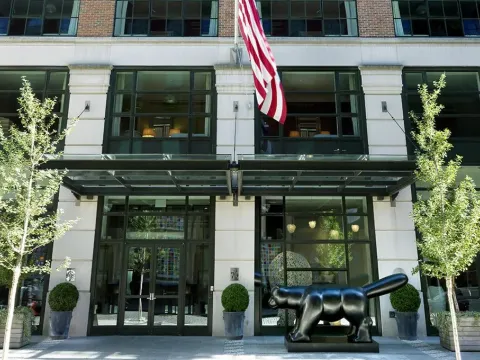
Inside the hotel, ask yourself how your pet will experience the stay. Wide corridors, quick elevator access to street level, and a calm lobby can make a real difference compared with a crowded, high-traffic entrance on a busy avenue. Some higher-end hotels in Manhattan New York offer small amenities such as pet beds or bowls, but the most valuable feature is often simply an efficient route from your room to the nearest patch of park.
How to choose the right Manhattan neighborhood for you
Start with your daily rhythm. If you plan to spend most of your time at museums and in Central Park, a base between 57th Street and 72nd Street on either side of the park keeps walking times short and taxi rides minimal. Travelers focused on theater, dining in Hell’s Kitchen, and quick access to the subway for downtown will be better served by hotels near Times Square or the adjacent blocks of Eighth and Ninth Avenue. Neither option is universally “best”; each simply aligns with a different version of the city.
For a more local feel, look slightly off the obvious grid. A hotel on the East Side around Second Avenue offers easier access to neighborhood restaurants, smaller bars, and everyday city life, while still keeping you within a short ride of Midtown’s office towers and shopping streets. On the West Side near Ninth Avenue, you are closer to the Hudson River parks and the converted rail line of the High Line, which changes the texture of your stay from vertical to more horizontal, more about walks than skyscraper views.
Think, too, about how you arrive and leave. If you are coming by train from another part of the United States, staying within walking distance of Penn Station or Grand Central can turn arrival day from a logistical exercise into a simple stroll with a suitcase. If you fly into one of the city’s airports and plan to use taxis or ride-shares, the exact block matters less than choosing a hotel with a clear, sheltered drop-off area – a small but real luxury on a rainy Manhattan evening.
What to check before you book a Manhattan hotel
Room size, view, and noise level should be your three main filters. Always check the approximate room area in square metres, especially if you are used to larger suburban hotels elsewhere in the country. Ask yourself whether you prefer a higher floor with a city view and potentially more elevator time, or a lower floor that trades skyline drama for faster access to the street. In dense parts of Midtown, a room facing an inner courtyard can be far quieter than one overlooking a major avenue.
Next, look closely at the hotel’s immediate surroundings. Is the entrance on a relatively calm side street, or directly on a busy square with constant traffic and tour groups? Are there cafés, small grocery stores, or pharmacies within a two- or three-minute walk, or will every small errand require a longer outing? These details shape your daily experience more than a long list of generic amenities.
Finally, consider how the property’s character matches your own travel style. Some hotels in Manhattan New York lean into a dramatic, social lobby scene with music and a strong bar presence, ideal if you enjoy meeting other guests and feeling the city’s pulse without leaving the building. Others prioritize privacy, with quieter public spaces and a more restrained design. Neither approach is inherently better, but choosing the wrong one for your personality can make even a well-located hotel feel like the wrong fit.
Best area to stay in Manhattan for first-time visitors
For a first stay in New York City, the most balanced choice is usually central Midtown Manhattan between roughly 40th and 57th Street, from the East Side near Grand Central to the blocks just west of Times Square. This area keeps you within walking distance of major sights such as Central Park, Rockefeller Center, and Broadway theaters, while offering a wide range of hotel styles and atmospheres. You can reach downtown neighborhoods quickly by subway, return easily to your room during the day, and still feel immersed in the classic Manhattan skyline every time you step outside.
Is Times Square a good place to book a hotel?
Times Square works well if you want to be in the middle of the action, with instant access to Broadway shows, late-night dining, and the constant spectacle of the city’s brightest lights. It is less ideal if you are sensitive to noise, crowds, or prefer a more local neighborhood feel. Many travelers choose to stay a few blocks away – for example near Bryant Park or on the edges of the theater district – which allows quick walks to Times Square while keeping nights and early mornings noticeably calmer.
Where should I stay in Manhattan for Central Park access?
If daily walks or runs in Central Park are a priority, look for hotels between 57th and 72nd Street on either the East or West Side of the park. Properties along Central Park South offer the most direct access and often the best park views, while those a few blocks back on avenues like Lexington or Columbus trade direct views for quieter streets and a more residential atmosphere. In all cases, being within a five- to ten-minute walk of the park entrance makes it far easier to integrate the park into your daily routine.
Are Manhattan hotels pet friendly?
Many Manhattan hotels are pet friendly, but policies differ significantly, so you should always verify the details before confirming a reservation. Some properties allow only small dogs, others accept larger breeds, and a few offer stays with no additional pet fee at all. Check weight limits, the maximum number of animals per room, and whether pets are allowed in public areas or must be carried through the lobby. Location near parks or riverside paths is especially valuable when traveling with a dog.
How many nights should I plan for a Manhattan stay?
For a first or second visit focused on Manhattan, three to four nights is usually the minimum to see key sights such as Central Park, Times Square, major museums, and a few distinct neighborhoods without rushing. A five- to seven-night stay allows a more relaxed rhythm, with time for longer walks, multiple museum visits, and day trips to other boroughs while still returning to the same hotel each night. Shorter stays can work for theater weekends or business trips, but you will need to prioritize carefully.
Suggested sources for further factual context about New York City and Manhattan districts include NYC & Company (the official tourism organization), the Metropolitan Transportation Authority (MTA) for subway and commuter rail maps, and the Central Park Conservancy for detailed information about park entrances, trails, and events.