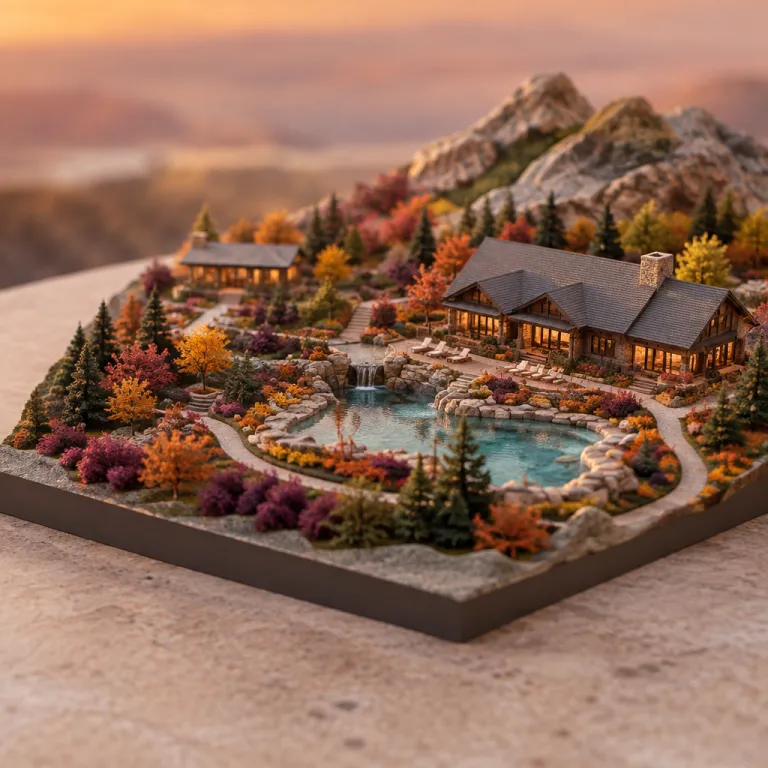
Understanding what truly defines a spa resort
A genuine spa resort in the United States places its spa and wellness facilities at the heart of the stay. Unlike a traditional hotel spa where facilities are an add-on, the resort spa concept integrates wellbeing, nutrition, movement, and rest into almost every part of your day. This means your room, the grounds, and even the dining program are designed to support mind–body balance rather than simply offering a massage menu by the pool.
Industry bodies such as the International Spa Association (ISPA) explain the distinction clearly: “Resort/hotel spas are located within a resort or hotel, providing professionally administered spa services, fitness and wellness components, and spa cuisine” (International Spa Association, U.S. Spa Industry Study, 2023). In practice, a spa resort centers the spa as its primary amenity, while a standard hotel treats the spa as an additional feature. For you as a traveler, that difference shapes the entire spa experience, from how treatments are scheduled to whether wellness retreat activities such as yoga or sound bath sessions are included or charged separately. Many destination-style properties also require a minimum stay, because they want guests to commit to a journey rather than a quick day spa visit.
When you compare options online, look for clear details about spa services, hydrotherapy circuits, and the size of the wellness area in square metres. A serious luxury spa resort will often highlight at least 900–1,000 square metres (around 10,000–11,000 square feet) of treatment and relaxation space, with multiple pools, soaking areas, and quiet rooms for deep relaxation. Before you book, confirm what is included in spa access, which treatments cost extra, and whether the wellness programme invites guests to join group classes or focuses mainly on private sessions.
Choosing between lake, hill country, and high desert wellness settings
The setting of a spa resort shapes the energy of your stay as much as the treatment menu. In the United States, three landscapes dominate wellness retreat choices: tranquil lake shores, rolling hill country, and the stark beauty of the high desert. Each environment supports a different kind of mind–body reset, so it helps to match the landscape to the way you want to feel when you leave.
Lake-based properties in regions such as the Great Lakes or the Pacific Northwest use water as a central element of the spa experience, with outdoor soaking pools, cold plunges, and steam rooms overlooking the shoreline. Guests enjoy long walks along the lake before returning for body treatments that use mineral-rich muds or sea-inspired ingredients. If you are drawn to year-round aquatic relaxation, you can also look at curated guides to hotels with indoor pools, such as this resource on indoor swimming pools in Myrtle Beach, then filter for properties with a serious hotel spa offering.
Hill country and high desert settings feel very different yet equally powerful for wellness-focused travel. In places like the Texas Hill Country near Austin, a resort may sit above a creek or farm-style landscape, using native plants and outdoor yoga decks to connect guests with the land. High desert retreats in states such as Arizona or New Mexico lean into silence, stargazing, and slow-flow or flow yoga classes that mirror the unhurried pace of the surroundings, giving guests a chance to experience deep relaxation in a way that urban spas rarely match.
How to read spa menus, treatments, and wellness programmes
Once you have chosen a region, the next step is to decode the spa services menu. A well-designed resort spa programme will move beyond basic massages and facials to include body wraps, hydrotherapy, and mind–body practices that support long-term balance. Look for language that explains why each treatment exists, not just how long it lasts or which product line is used.
Many leading hotel spa teams now build multi-day wellness retreat itineraries that combine treatments, movement, and nutrition in a structured way. You might see a three-day journey that pairs morning yoga or slow-flow classes with afternoon soaking rituals and evening sound bath sessions, all designed to guide guests through stages of release, renewal, and integration. For business travelers, resources such as this guide to hotel spas that fit a work schedule can help you identify properties where private sessions and shorter spa experience formats align with meeting times.
When you compare menus on a booking website, pay attention to how treatments are grouped and whether the spa invites guests to combine services into packages. Award-winning properties often highlight signature rituals that use local ingredients, such as hill country herb compresses, high desert clay wraps, or creek stone massages. If a spa resort lists only generic services without context, it may function more as a day spa inside a larger resort than as a true wellness-focused destination.
Signature spa experiences in Austin, Santa Fe, and the Texas Hill Country
Certain American destinations have become reference points for serious wellness travelers. Around Austin and the wider Texas Hill Country, several renowned properties blend ranch-style calm with sophisticated luxury spa facilities. Examples frequently cited by travel editors include Lake Austin Spa Resort and Miraval Austin, both known for extensive wellness programming and immersive spa experiences that go beyond a standard hotel spa.
Typical programmes in this region might start with early morning flow yoga on a deck overlooking a creek or lake, followed by tailored body treatments that use regional botanicals. Afternoon schedules often include guided meditation, slow-flow classes, or mind–body workshops that help guests translate their spa experience into daily life habits. Many of these properties operate as full wellness retreat destinations, where the resort spa invites guests to commit to multi-night stays rather than single day spa visits.
Farther west, Santa Fe and the surrounding high desert offer a different but equally compelling spa resort style. Here, adobe architecture, farm-to-table cuisine, and thermal soaking pools create a sense of place that feels deeply rooted in the landscape. Award-winning hotel spa teams in this region—such as those at Ten Thousand Waves or Sunrise Springs—frequently offer sound bath ceremonies, energy balancing sessions, and private sessions that draw on local healing traditions, giving guests a journey that feels both culturally grounded and physically restorative.
Evaluating service quality, staff expertise, and what is really included
On a luxury and premium booking website, glossy images can make every spa resort look flawless. To separate marketing from reality, focus on three pillars: staff credentials, facility scale, and clarity about inclusions. Serious wellness properties are transparent about therapist training, licensing, and ongoing education, because they know that skilled hands and informed guidance define the guest experience.
Before confirming a reservation, check whether the resort lists its spa therapists as licensed professionals and whether any medical or advanced wellness services are supervised by qualified practitioners. Many respected operators now publish details about their wellness retreat programmes, explaining which spa services are included in the nightly rate and which treatments require an extra fee. You should also review minimum stay requirements, because destination-style properties often ask guests to book at least two nights to fully benefit from the curated journey.
Facility size matters as well, especially if you are traveling during peak seasons when many guests enjoy the same amenities. Industry data from ISPA’s U.S. Spa Industry Study (2023) shows that resort and hotel spas report a median of 10 treatment rooms, which typically translates into several hundred to more than 900 square metres of treatment and relaxation space. When a property describes itself as an award-winning luxury spa but offers only a few small rooms, it may function more like a compact day spa, so adjust your expectations about privacy, energy, and overall service levels.
Designing your own wellness journey through a booking platform
Once you understand the landscape, you can use a premium booking website as a planning tool rather than just a price comparison engine. Start by filtering for properties that clearly position themselves as a spa resort or wellness retreat, then refine by setting, from lake shores to hill country ranches or high desert sanctuaries. This approach helps you align the emotional tone of your stay with the practical details of travel time, budget, and available dates.
Next, build a simple framework for your personal spa experience, thinking in terms of arrival, immersion, and integration. On arrival day, prioritize gentle spa services such as light body treatments or soaking rituals that help you shift out of travel mode without overwhelming your system. During the immersion phase, schedule more intensive treatments, yoga or flow yoga classes, and perhaps a sound bath or energy balancing session, leaving your final day for slow-flow movement and quiet time by the pool or creek.
Many sophisticated platforms now curate editorial-style content to inspire this kind of planning, from regional wellness features to cross-border itineraries. If you enjoy combining cultural travel with restorative stays, resources such as this guide to Italian journeys and mapped itineraries can complement your United States spa research by showing how other destinations structure multi-stop wellness trips. Whatever route you choose, aim for a balance between scheduled activities and open space, so that the resort spa invites guests to slow down rather than turning your holiday into another tightly packed agenda.
Key figures and trends in spa resort and wellness travel
- Industry research from the International Spa Association recognises six main types of spa worldwide—club, cruise ship, day, destination, medical, and resort/hotel—and spa resort properties sit within this framework as destinations where wellness programmes are central rather than peripheral (International Spa Association, U.S. Spa Industry Study, 2023).
- Dedicated spa resorts often allocate around 900–1,000 square metres of treatment and relaxation space, which is significantly larger than the spa areas found in many urban hotels that treat wellness as a secondary amenity; ISPA reports a median of 10 treatment rooms for resort/hotel spas, versus fewer rooms in day spa formats.
- Global wellness tourism has grown faster than overall tourism in recent years, reflecting rising demand for structured wellness retreat experiences that combine treatments, movement, and healthy cuisine in one integrated stay (Global Wellness Institute, Global Wellness Tourism Economy, 2021).
- Many destination-style spa resorts now require a minimum stay of two nights or more, because operators find that guests need at least this duration to benefit from curated mind–body programmes and to experience measurable stress reduction, as highlighted in case studies from leading U.S. wellness properties.
- Guest satisfaction scores at properties with comprehensive spa services and wellness education programmes tend to outperform those at comparable hotels without such offerings, underlining the commercial value of investing in high-quality spa experience design (Global Wellness Institute, Wellness Real Estate & Hospitality, 2020).
FAQ about booking a spa resort in the United States
What is the difference between a spa resort and a hotel with a spa ?
A spa resort makes wellness the central focus of the property, with extensive facilities, daily classes, and curated programmes built around treatments, movement, and nutrition. A hotel with a spa usually offers a smaller hotel spa as one amenity among many, without integrating it into the overall stay. If wellness is your main reason for traveling, a resort spa or dedicated wellness retreat will generally provide a deeper and more coherent experience.
Are spa treatments usually included in the room rate ?
In most United States properties, standard room rates do not include individual treatments such as massages, facials, or body wraps. What is often included is access to shared spa services like saunas, steam rooms, soaking pools, and fitness or yoga classes. Always read the rate description carefully and, if in doubt, contact the resort directly to clarify which elements of the spa experience are complimentary.
Do spa resorts require a minimum number of nights ?
Many destination-focused spa resorts and wellness retreat properties do require a minimum stay, often two or three nights. This policy allows the team to design a coherent journey that moves guests through stages of arrival, deep relaxation, and integration. On a booking website, minimum stay rules are usually shown in the rate conditions, so check these before locking in flights.
How can I evaluate the quality of spa services before booking ?
Look for clear information about therapist licensing, years of experience, and any specialised training in modalities such as sound bath work, energy balancing, or advanced body treatments. High-quality properties describe their spa services in detail, explaining the purpose and expected benefits of each treatment rather than relying on vague marketing language. Independent awards, consistent guest reviews, and transparent wellness retreat schedules are also strong indicators of a serious luxury spa operation.
Is a spa resort suitable for both solo travelers and couples ?
Most spa resort properties in the United States are designed to welcome solo guests, couples, and small groups, with a mix of private sessions and shared classes. Solo travelers often appreciate structured schedules with yoga, flow yoga, and slow-flow classes, while couples may prefer more time in private soaking areas or side-by-side treatments. When you book, you can usually tailor the balance between social activities and quiet time to match your preferred style of retreat.