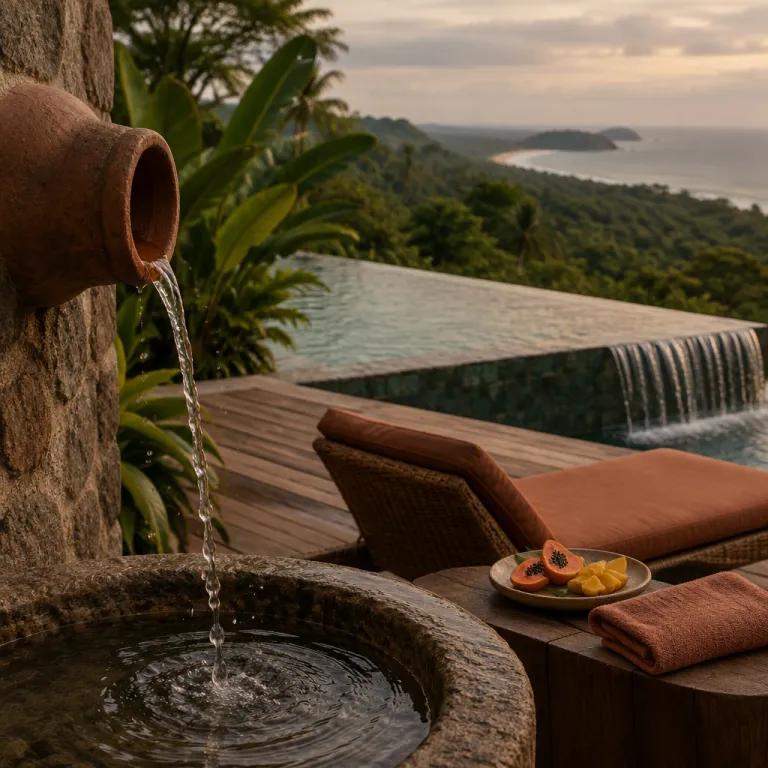
Why Costa Rica resorts appeal to U.S. luxury travelers
Costa Rica resorts attract U.S. travelers who want wild nature paired with refined comfort. Many guests compare a long weekend at a Pacific coast resort with a city stay at a luxury hotel in New York or a Ritz-Carlton Reserve–style property in Florida, then realize the value of warm water, rainforest air, and attentive Costa Rican service. For travelers used to premium hotels in the United States, the combination of a spacious room, a quiet pool, and direct access to the beach in Costa Rica feels like a genuine upgrade rather than a compromise.
From the first booking screen, availability is often clearer than on many domestic hotel platforms, which helps families plan school breaks and holidays with confidence. You can filter by resort spa access, private plunge pool, or kid friendly amenities, then compare rooms and full board options across several hotels on the same stretch of coast. This level of transparency matters when you are weighing a three night stay in a Ritz-Carlton or Ritz-Carlton Reserve in the U.S. against a week at one of several Costa Rica resorts with hot springs, cloud forest excursions, and included airport transfers.
For travelers who track value closely, the cost per night at a high end resort in Costa Rica often compares favorably with premium hotels in Miami, Los Angeles, or Hawaii. A family that might book two standard rooms in a U.S. city hotel can often secure a large suite or connecting rooms at a Costa Rican property with multiple pools and direct beach access. When you factor in the experience of hot springs, wildlife, and rainforest views, the overall return on your travel budget becomes compelling, especially when a private transfer from Liberia or San José airport to a Pacific coast resort can take under two hours.
Choosing the right region and resort style for your stay
The first major decision is where in Costa Rica you want to stay, because each coast and region offers a different style of resort and hotel. The Pacific side around Guanacaste and the Nicoya Peninsula concentrates many large beach properties, where families and kids enjoy wide pools, easy sand access, and a relaxed resort spa atmosphere. On the Caribbean side, hotels are smaller and more intimate, with a stronger Afro Costa Rican cultural influence and easier access to wildlife rich national parks.
For U.S. travelers who like to pair trips, it can be useful to compare seasonal patterns in nearby destinations with the dry and green seasons in Costa Rica, then align both with school calendars. Many Costa Rica resorts on the Pacific coast sit on calm bays, where a short walk from your room brings you to a sheltered beach with gentle waves suitable for younger kids. If you prefer cooler air and misty mornings, a cloud forest property such as Silencio Lodge offers a very different feel from the hot, dry beaches of Guanacaste.
Some travelers split their booking between a coastal resort and an inland retreat near hot springs or the Rio Celeste area, which allows them to experience both water based relaxation and rainforest adventure. A typical pattern is three nights at a family friendly beach resort with several pools, followed by three nights near Arenal volcano where hot springs and spa treatments take center stage. This kind of multi stop itinerary mirrors how many U.S. travelers combine city and coastal stays at home, but with the added drama of volcano views and dense jungle, plus the convenience of shared shuttles or short domestic flights between regions.
Hot springs, cloud forests, and nature focused luxury
One of the defining features of many Costa Rica resorts is access to natural hot springs, especially around Arenal and the northern volcanic region. Properties such as Hacienda Guachipelin near Rincón de la Vieja integrate hot springs pools, mud baths, and river canyons into the overall resort spa experience, which feels very different from a standard hotel pool in the United States. Guests move between hot and cool pools, then return to their rooms for private time on the terrace or in a plunge pool overlooking the forest.
In the highlands, cloud forest retreats such as Silencio Lodge focus on quiet luxury, guided nature walks, and Costa Rican cuisine built around local produce. These hotels often have fewer rooms than coastal resorts, which creates a more intimate atmosphere for couples and small families who value calm over activity packed schedules. When planning your calendar, it can be helpful to compare the misty, cooler conditions here with Mediterranean style climates in other popular vacation regions, then decide how much cool mountain air you want in a single trip.
Nature focused properties also tend to emphasize sustainability, with many Costa Rica resorts holding certifications for energy use, water treatment, and wildlife protection. This aligns well with U.S. travelers who already choose eco conscious hotels at home and want their booking choices abroad to reflect the same values. When you read a full review of a cloud forest or hot springs resort, look for specific details about trail maintenance, wildlife corridors, and how the property manages its pools and springs, as well as whether guides are trained naturalists or local community members.
Family friendly stays, kids’ needs, and multi generational trips
Families traveling from the United States often prioritize safety, convenience, and clear information about kid friendly services at Costa Rica resorts. Properties that label themselves as family friendly should offer shallow pools, flexible room configurations, and on site activities that keep kids engaged while adults relax. When you compare hotels along the Pacific coast, pay attention to whether the main pool is quiet or lively, and whether there is a separate family pool where noise is welcome.
Resorts such as Parador Resort near Manuel Antonio balance wildlife access with structured activities, so families can spot monkeys in the morning and enjoy supervised games by the pool in the afternoon. Multi generational groups often book several rooms or a large suite, then use the beach and pools as a central gathering place between excursions into the national park. A detailed full review from another family can help you understand whether the walk from your room to the beach is manageable for grandparents and small kids, and whether the resort offers golf cart shuttles or ramps instead of stairs.
Some high end properties, including Nayara Tented Camp and other tented camp style resorts near Arenal, welcome families while still maintaining a calm atmosphere. These resorts may offer private plunge pool options for each tent or villa, which gives parents a quiet place to unwind after kids fall asleep. When you read full guest feedback, look for mentions of noise levels, kids’ menus, and how flexible the property is with early breakfasts or late checkouts for families, as well as whether connecting units or extra beds are available at a reasonable nightly surcharge.
Signature stays: from Nayara tented luxury to Manuel Antonio views
Among Costa Rica resorts, a few names come up repeatedly in conversations with U.S. luxury travelers who usually stay at brands like Ritz-Carlton or Ritz-Carlton Reserve. Nayara Tented Camp near Arenal has become a reference point for tented camp luxury in the region, with spacious tents, private plunge pool options, and direct views of the volcano. Guests often comment that the level of service and attention to detail matches or exceeds what they experience at top hotels in major U.S. cities, with small touches such as welcome snacks for kids and turn down service timed around dinner.
On the Pacific coast, Parador Resort in Manuel Antonio offers a different kind of signature stay, with sweeping ocean views, multiple pools, and quick access to one of the country’s most famous national parks. Many rooms look out over the coastline, while the property’s layout allows you to move between quiet corners and livelier pool areas depending on your mood. For travelers who usually book a high floor room in a U.S. city hotel, the combination of sea views, wildlife, and resort spa facilities can feel like a complete reset.
In the northern region, Hacienda Guachipelin near the Rio Celeste and Rincón de la Vieja area blends working ranch life with adventure activities and hot springs access. Guests can ride horses, hike to waterfalls, then soak in hot springs pools before returning to simple but comfortable rooms. This style of property appeals to travelers who value authentic Costa Rican experiences as much as polished luxury, and who are willing to trade some formality for direct contact with nature, including early morning bird calls and the sounds of the forest at night.
Practical booking strategies for U.S. travelers
When booking Costa Rica resorts from the United States, timing and flexibility can significantly improve both price and room choice. Many properties release their best availability six to nine months in advance, especially for peak holiday periods when families and kids travel together. If you can shift your dates by a few days, you may secure a better room category, a private plunge pool, or a package that includes hot springs access and airport transfers.
Before you confirm any booking, read a full review from several recent guests, paying close attention to comments about noise, pool maintenance, and service consistency. Look for detailed descriptions of the property layout, such as how far rooms are from the main pools, the beach, or the resort spa, because this affects your daily experience. It can also be helpful to compare seasonal patterns with familiar weather at home, then decide whether you prefer Costa Rica’s dry season sun or the lush greenery of the rainy months.
For travelers who usually stay at brands such as Ritz-Carlton or Ritz-Carlton Reserve, it may feel natural to prioritize chain hotels first. However, many independent Costa Rica resorts, from cloud forest retreats like Silencio Lodge to coastal properties near Manuel Antonio, offer service and amenities that rival large brands. The key is to read full guest feedback carefully, verify room details with the property directly, and choose a resort whose pools, hot springs, and overall atmosphere match the way you actually like to travel, whether that means quiet mornings on the terrace or activity packed days.
Key statistics on Costa Rica resorts and U.S. travelers
- According to the Costa Rican Tourism Board, more than 1.3 million visitors from the United States arrived in Costa Rica in 2023, and a significant share of them stayed in resort style properties along the Pacific coast.
- Industry data from STR and similar hotel analytics firms indicate that upscale and luxury hotels in Costa Rica have maintained occupancy rates above 60 percent in recent high seasons, which is comparable to many popular U.S. coastal destinations.
- Surveys by the Costa Rican Tourism Board show that over 70 percent of U.S. visitors cite beaches and nature as their primary reasons for travel, which aligns directly with the strengths of Costa Rica resorts that combine beach access, pools, and rainforest excursions.
- Several leading resorts near Arenal and Guanacaste report that more than half of their guests are repeat visitors or referrals, a strong indicator of satisfaction among families and couples who value consistent service and reliable amenities.
FAQ about Costa Rica resorts for U.S. travelers
What is the best area in Costa Rica for luxury resorts ?
The Pacific coast around Guanacaste and the Nicoya Peninsula offers the highest concentration of luxury Costa Rica resorts, with many properties directly on the beach. The Arenal region is best for hot springs focused stays, while Manuel Antonio combines ocean views with easy access to wildlife rich national parks. Cloud forest areas such as Monteverde and regions near Silencio Lodge provide cooler temperatures and nature immersion rather than classic beach resort experiences.
How far in advance should I book a Costa Rica resort ?
For peak holiday periods and school breaks, U.S. travelers should book Costa Rica resorts at least six to nine months in advance to secure preferred room types and pool or beach proximity. Shoulder seasons often allow more flexibility, but popular properties near Arenal, Manuel Antonio, and Guanacaste still fill quickly. Last minute availability can appear, yet it is less reliable for families or larger groups who need multiple rooms.
Are Costa Rica resorts suitable for young children ?
Many Costa Rica resorts are explicitly family friendly and offer kid friendly pools, children’s menus, and activity programs. Properties such as Parador Resort in Manuel Antonio and several Guanacaste beach hotels provide shallow pools and easy beach access that work well for younger kids. Always confirm details about lifeguards, crib availability, and room configurations directly with the property before finalizing your booking.
Do Costa Rica resorts offer all inclusive options ?
Several large beach resorts in Guanacaste and the northern Pacific region offer full board or all inclusive packages that bundle meals, drinks, and some activities. These can be cost effective for families who plan to spend most of their time on property using the pools, beach, and resort spa facilities. Smaller cloud forest and hot springs properties more often include breakfast only, encouraging guests to explore local Costa Rican restaurants.
How do Costa Rica resorts compare with U.S. luxury hotels on service ?
Service at many Costa Rica resorts is highly personalized, with staff often remembering guest preferences and greeting families by name. While you may not always find the same brand standards as a Ritz-Carlton or Ritz-Carlton Reserve, the warmth and attentiveness of Costa Rican teams frequently stand out in guest reviews. Travelers who value genuine hospitality and strong local knowledge often rate their stays as equal or superior to experiences at comparable U.S. hotels.