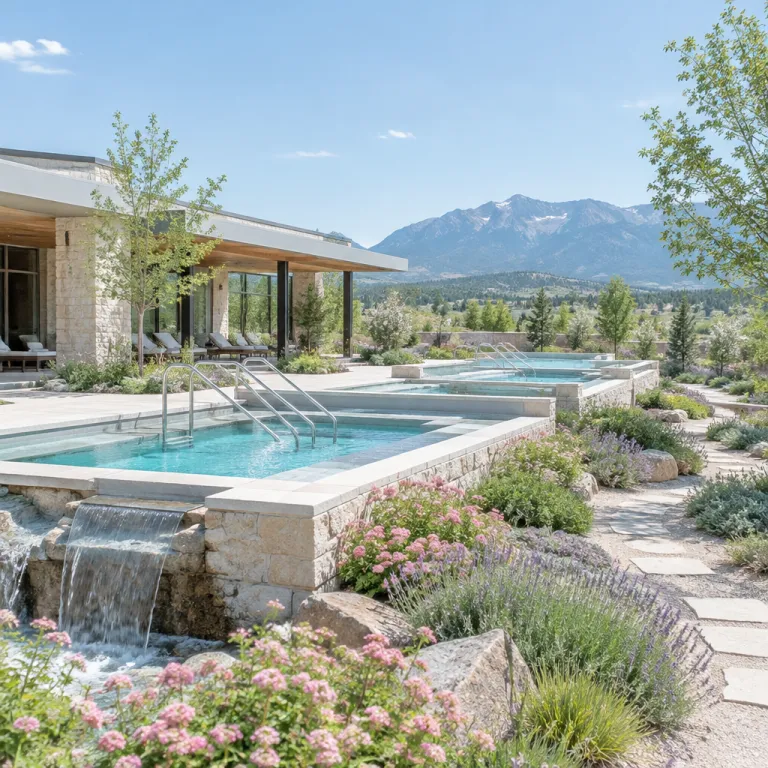
What defines modern spa resorts for United States travelers
A true spa resort combines a full service hotel with a dedicated spa. It offers integrated wellness services and spa treatments alongside refined rooms, dining, and a carefully designed relaxation area. A traveler who wants to book a stay in the United States will quickly feel the difference between a simple hotel spa and a destination where every detail supports rest.
Industry reports from organizations such as the Global Wellness Institute and RevenueBase highlight how resort spa properties blend lodging, wellness cuisine, and structured spa services into one coherent spa experience. These analyses answer questions such as “What defines a spa resort?”, “Are spa and resort spa the same?”, and “How big is spa resort industry?” by showing how spa focused rooms, curated menus, and scheduled spa treatments work together. When you book spa focused rooms at these properties, you are buying time, space, and professional care rather than just a bed for the night.
Across the United States, spa resorts range from desert retreats to coastal sanctuaries. Many of the most sought after addresses sit in california wine country, the Arizona desert, and the mountains of Colorado. Wherever you book online, look for a resort spa that clearly lists its spa services, treatment rooms, pool facilities, and wellness programs before you confirm your booked day, and pay attention to details such as minimum stay requirements, typical nightly rates, and whether weekend spa appointments must be reserved several weeks in advance.
How to choose spa resorts that genuinely support your nervous system
When you book a spa resort, start with the spa itself rather than the lobby. A serious hotel spa will publish its menu of spa treatments, body treatments, and hydrotherapy services with clear durations and prices. You should also see information about the number of treatment rooms, the relaxation area, and whether the pool is reserved for spa guests during certain hours, along with guidance on how far ahead you should schedule popular massages or facials.
For travelers focused on stress relief, the promise of nervous system regulation matters more than scented candles. Many leading resort spa properties now design a full spa day around breathwork, contrast hydrotherapy, and guided rest, and you can learn how these programs work by reading about how hotels aim to regulate your nervous system in this detailed analysis of a modern wellness promise: hotel programs that claim to calm your nervous system. When you visit spa facilities that take this seriously, you will notice quieter relaxation areas, better soundproofing in treatment rooms, and therapists trained to pace each spa treatment with your breathing, often using slower massage strokes, longer pauses, and gentle temperature shifts to help your body settle.
Location still matters, especially for a traveler based in the United States who wants minimal transit stress. A california coastal resort with a heated outdoor pool and long daylight hours will feel very different from an urban inn spa with no natural view. Before you book spa packages, decide whether you want ocean air, desert silence, or vineyard scenery to frame your spa experience, and consider practical factors such as drive time from the nearest airport, typical weather during your travel month, and whether the spa pool remains comfortably warm in the evening.
Medical wellness, body treatments, and the new frontier of hotel spa care
The line between classic spa services and medical wellness is becoming thinner. Some luxurious spa properties now partner with medical professionals to offer advanced body treatments, nutrition consultations, and even lab testing alongside traditional massages. This shift reflects a wellness tourism market where guests want measurable outcomes from every booked day at a resort spa, from improved sleep scores to more personalized exercise and recovery plans.
Travelers curious about this evolution can learn how medical wellness is reshaping the hotel spa by reading about blood panels at check in and similar programs here : medical wellness redefining the hotel spa. These initiatives show how a hotel spa can move beyond pampering to targeted spa treatment plans, often combining hydrotherapy, body treatments, and lifestyle coaching. When you book online at such a spa resort, check whether the spa services list includes consultations, follow up visits, and clear explanations of each treatment, and look for sample itineraries that outline how many sessions you will receive per day and what kind of post stay support is available.
Not every traveler wants medical data with their spa day, of course. Many guests still prefer a classic spa experience with a calm relaxation area, warm pool access, and a choice of massages or facials. The key is to book a hotel that is transparent about whether its spa treatments are purely indulgent, clinically oriented, or a thoughtful blend of both approaches, and to confirm that the style you prefer is available during the dates and times you plan to visit.
Signature United States spa resorts: from Sonoma to historic inns
Some of the most renowned spa resorts in the United States sit in california wine country. In Sonoma, properties such as Fairmont Sonoma Mission Inn and Spa have built a reputation around geothermal pools, extensive treatment rooms, and a full resort spa program. When you book a spa day there, you access mineral rich waters, curated body treatments, and a relaxation area that encourages slow, unhurried hours between sessions, with signature offerings such as mud wraps, vinotherapy facials, and mineral soaks that draw directly on the region’s natural resources.
The historic Mission Inn Hotel and Spa in Riverside offers a different kind of inn spa experience rooted in architecture and heritage. Guests can book spa treatments in vaulted spaces, then step into courtyards and a central pool that echo the building’s Spanish Revival style. This mission inn setting shows how a hotel spa can weave local history, mission inspired design, and modern spa services into one coherent spa experience, from candlelit evening soaks to couples’ rituals that incorporate regional botanicals and traditional massage techniques.
Travelers who prefer smaller scale charm often look for an auberge style property with a strong spa auberge identity. In Sonoma and Napa, several auberge inspired resorts integrate vineyard views, outdoor treatment rooms, and farm driven cuisine into their spa services. Whether you choose a grand resort or an intimate auberge, always review how many hours of spa access your booked day includes and whether the pool and relaxation areas remain open after your final treatment, and ask about typical price ranges for massages, facials, and body treatments so you can align your budget with the level of luxury on offer.
Booking strategies: how to book spa stays, packages, and spa days
Smart travelers treat a spa booking like any other significant purchase. Before you book online, compare how each hotel structures its spa services, whether the resort spa offers half day or full day passes, and how far in advance treatment rooms must be reserved. A clear plan helps you avoid the frustration of arriving at a luxurious spa only to find every spa treatment fully booked, especially on weekends or during holiday periods when local guests also reserve spa days.
Many spa resorts in the United States now allow you to book spa appointments at the same time you book rooms. This integrated approach ensures that your spa day, pool access, and relaxation area time are locked in for the exact day and hours of your stay. When a hotel spa platform lets you manage everything in one place, you will usually see options to add body treatments, extend your spa experience, or purchase gift cards for future visits, and some systems even show real time availability so you can adjust your arrival and departure dates to match preferred treatment slots.
For travelers who value sleep as much as massage, bedding and pillow quality matter as much as spa services. You can learn how thoughtful pillow programs elevate comfort in premium hotels by reading this in depth look at personalized bedding strategies : personalized hotel comfort and pillow programs. When you combine a quiet room, a supportive mattress, and a carefully planned spa day, the overall spa resort experience becomes far more restorative, and you are more likely to maintain the benefits of your treatments once you return home.
Maximizing value: offers, gift cards, and wellness focused services
Luxury spa resorts can represent a significant investment, but thoughtful planning stretches value. Many hotel spa teams release seasonal offers that bundle rooms, spa services, and dining into one rate, often including a spa day pass or a set credit for spa treatment choices. When you book online, look for flexible packages that allow you to apply credits to different body treatments rather than locking you into a single option, and check whether midweek stays, shoulder season dates, or longer bookings unlock better nightly pricing.
Gift cards have become a powerful tool for both guests and properties. A resort spa may sell gift cards that cover a full spa experience, from treatment rooms to pool access and even wellness classes, and these can be an elegant way to share a favorite inn spa or spa auberge with friends. For frequent travelers, buying gift cards during promotional periods and then using them on peak days can significantly improve the effective value of each booked day, especially when combined with loyalty program benefits or member only spa discounts.
Finally, pay attention to the small but telling details of service. A luxurious spa will usually offer infused water, quiet zones, and staff who explain each treatment before it begins, while a less polished hotel might treat the spa as an afterthought. When every interaction, from check in to the final view from the relaxation area, feels intentional, you know you have chosen a spa resort that respects both your time and your wellbeing, and you are more likely to leave feeling genuinely restored rather than simply entertained.
Key figures shaping the global spa resort landscape
- The Global Wellness Institute reports that spa establishments worldwide reached 181,175 locations by the end of 2022, showing how mainstream spa services have become in both hotel and stand alone settings and how widely travelers now expect access to professional treatments.
- United States spa revenue totaled 25.9 billion US dollars in 2022 according to the Global Wellness Institute, underlining how strongly American travelers invest in spa treatments, spa days, and wellness focused hotel stays across urban, coastal, and rural destinations.
- RevenueBase data tracks 9,574 spa and wellness resorts worldwide as of late September, highlighting how resort spa properties now form a distinct and rapidly growing segment of the hospitality market, separate from day spas and traditional hotels without dedicated wellness facilities.
- Industry observers note a clear rise in all inclusive spa resort packages, which bundle rooms, spa services, and wellness cuisine, making it easier for guests to understand the total cost of a multi day spa experience and to compare offers across different regions.
- Operators increasingly emphasize sustainability and eco friendly spa operations, from energy efficient pool systems to locally sourced body treatments, as wellness travelers pay closer attention to environmental impact and look for spa resorts that align with their values.
FAQ: spa resorts and wellness focused hotel stays
What is the difference between a spa and a spa resort ?
A spa is often a day use facility that offers spa treatments, body treatments, and limited relaxation areas without overnight rooms. A spa resort combines a full service hotel with a comprehensive spa, including treatment rooms, a pool, and wellness programs for guests who stay multiple days. When you want a complete spa experience with lodging, always choose a resort spa or hotel spa rather than a stand alone spa, and confirm that spa access is included for the length of your stay.
How many spa and wellness resorts exist worldwide ?
Recent industry tracking shows that there are 9,574 spa and wellness resorts worldwide, which are properties that combine lodging with structured spa services. This figure excludes day spas and focuses on hotels and resorts where the spa is a core part of the guest experience. For travelers, this means a wide range of options when they book spa focused stays across different regions, from large all inclusive complexes to intimate countryside retreats.
What should I check before I book a spa resort stay ?
Before you book online, review what is included in each package, from spa services and pool access to meal plans and late checkout. Verify the qualifications of therapists, the number of treatment rooms, and whether the relaxation area is shared with non spa guests. It is also wise to budget extra for premium spa treatments, especially at luxurious spa properties in destinations such as california wine country, where signature rituals, private cabanas, or extended hydrotherapy circuits may carry higher prices.
Are spa resorts suitable for solo travelers from the United States ?
Spa resorts are well suited to solo travelers who want structured rest and wellness. Many hotel spa teams design spa day itineraries that include individual body treatments, quiet time in the relaxation area, and optional group classes that remain low pressure. When you book spa packages as a solo guest, you can tailor the schedule to your preferred hours and energy levels, and you can often request quieter dining spaces or late checkout to extend the sense of calm.
How long should a wellness focused stay at a spa resort last ?
A single spa day can provide a welcome reset, but most wellness experts recommend at least two or three nights at a resort spa for deeper benefits. This duration allows time for multiple spa treatments, unhurried pool sessions, and better sleep in well designed rooms. If you can book a longer stay, you will usually feel the cumulative effect of consistent spa services and quieter daily rhythms, especially when you combine treatments with gentle movement, nourishing meals, and limited screen time.